Protests highlight trauma crisis, operating rooms under reconstr...
/ 2026-10-15 18:35:16Focus


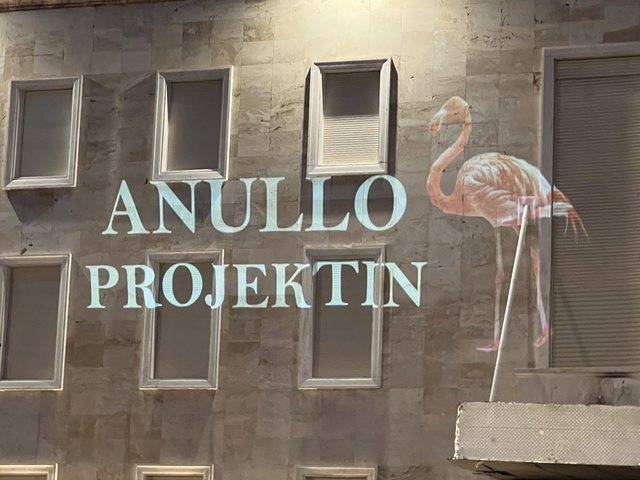
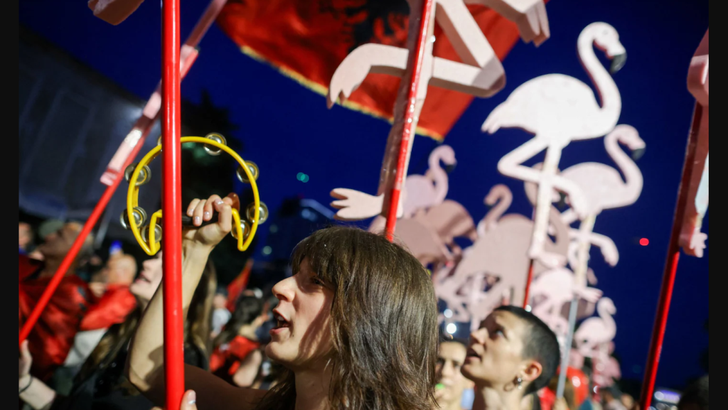
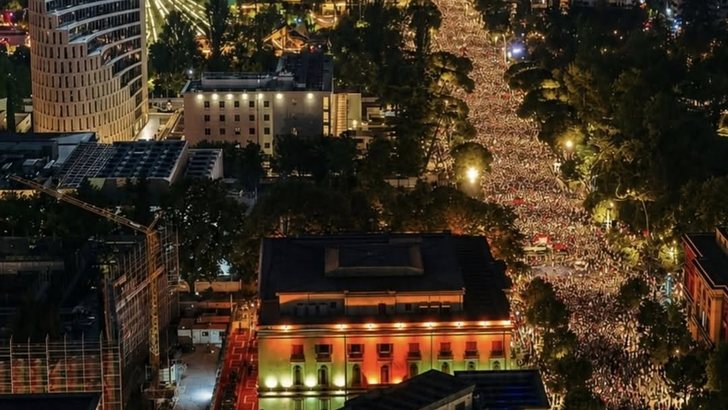
Thirty days is enough for a government to absorb, neutralize, or negotiate with a wave of citizen pressure. This has not happened because we are not simply dealing with opposition to a project, but with a public trial of a governance model where arbitrary decision-making and clientelistic capitalism have encountered a resistance that the government neither anticipated nor knows how to manage.
However, after a month, the movement itself faces the difficult question: what next?
Even if this cycle of demonstrations (among the most peaceful on the continent) were to end today, there are three things that cannot be hidden.
First: the myth of Albanian apathy has been shattered. In fact, what was shattered was not apathy, but distrust of traditional mediators, parties, and to some extent the media. Coming to the fore without party structures and without a formal leader, this movement aligned itself with the 2013 protest against chemical weapons and the 2018 student revolt. All three were ignited when the cause exceeded electoral calculations. All three showed that citizens mobilize only when they do not see credible mediators.
Second: the international narrative on Albania. For years, the country has been identified mainly with immigration, corruption or organized crime. The protest created another narrative: a civil society that mobilizes peacefully to defend the public interest. The connection of the ecological cause with global capital (President Trump's family) took the debate out of the province and made it readable in British, German and French newspapers. But it is known that international attention passed from Tehran to Tirana with just as much ease as it passed from there.
Third: protests without a leader. The system is accustomed to negotiating with movement leaders (or rather, to corrupting them). The lack of a single leader made the movement elusive, but left it without a negotiating voice. When no one speaks on behalf of the square, the government gains a permanent alibi: “we have no one to dialogue with.”
The lack of leadership has two sides: authenticity, elusiveness, incorruptibility, but the other side: a movement without a negotiating structure cannot turn moral pressure into an institutional result. Every protest lives on moral capital, but this capital, unlike financial capital, does not produce endless interests. If it is not transformed into a political or institutional result, it begins to consume. When the square empties, and it will empty, if not today, tomorrow or the day after tomorrow, the fear is that the energy spent will turn into disappointment. However, the dissatisfaction in the square shows that you can no longer ignore the people. The lack of leadership at the same time also refutes conspiracy theories that there is “one hand” organizing them. (It is not Iran, Greece, Kosovo, Turkey, but Discontent).
The diaspora constitutes an important symbolic and moral element. But it must be said openly: the system has calculated the diaspora for decades, for votes, for remittances, and for national rhetoric. The physical presence in the square is a new development and has symbolic weight. But for the calculations of the government to change, the diaspora must be a sustainable factor and not a wave of mobilization.
The same logic applies to the comparison with 2013 and 2018. Those two movements proved that protest can be massive. But they also proved something else, which is often left unsaid: that ignition without institutional transformation produces disillusionment, and disillusionment produces even deeper apathy.
If this third wave also ends without any concrete and verifiable results, the cost will not simply be the failure of this movement, it will be the damage to trust in protest as a means of change.
System dilemmas
The classic strategy of the system has been “fatigue.” “Peaceful coexistence with protest. We govern, you protest.” It has applied it twice with partial success. But today there is a structural change. For the first time, protests and the European calendar run in parallel. This does not guarantee change, but it makes it very difficult to return to the old normal.
If after three major civic waves in 13 years, 2013, 2018, 2026, the elite's only option remains tactical ignorance, the diagnosis becomes inevitable: it is not the system that resists civic movements, but civic movements that have not yet found the mechanism to force the system to change. This is not the fault of the square, because there is a carefully constructed power structure in front of it. It does not just require greater energy.
If this protest is remembered as a turning point, it will be because it produced something concrete and verifiable after the pressure was exerted. If it is remembered for its failure through fatigue or naive demands, then the system will win not by opposing and violating, but by enduring.
In the end, neither the square nor the government alone will decide. It will be decided by the ability of all actors to learn from June. The square must find a way to turn moral energy into political results. The system must understand that you can exhaust a protest, but you cannot undo the dissatisfaction that has produced it. If one side continues to act with emotion and the other only with calculation, the short-term winner may be the system. The long-term loser will be the citizens' belief that change is possible…