Is this police force professional and capable of handling violen...
/ 2026-10-16 18:54:07Focus


Authorities and experts in Argentina are trying to determine whether their country is the source of a deadly hantavirus outbreak on a cruise ship sailing in the Atlantic, with some passengers reportedly already returning home.
Argentina, where the Antarctic journey began, is listed by the World Health Organization as one of the countries with the highest incidence of this rare rodent-borne disease in Latin America. Investigators are working to trace the source of the infection.
Argentina's Health Ministry reported on Tuesday 101 cases of hantavirus since June 2025, almost double the number from last year.
A type of hantavirus called Andes virus, found in South America, can cause a severe and often fatal lung disease called hantavirus pulmonary syndrome. Argentine authorities say the disease has caused death in about a third of cases in the past year.
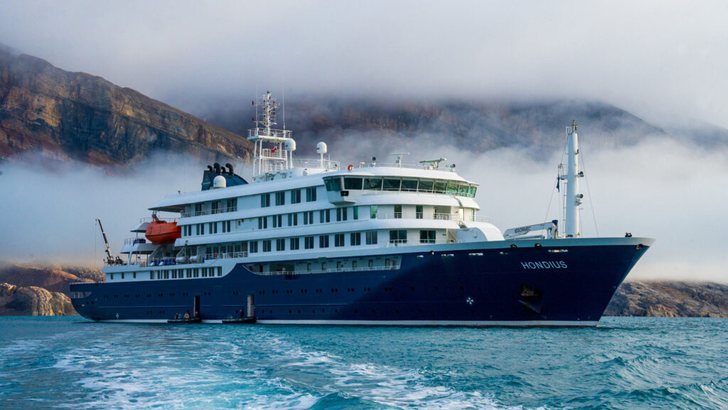
Authorities announced that passengers on the MV Hondius ship have tested positive for the Andes virus.
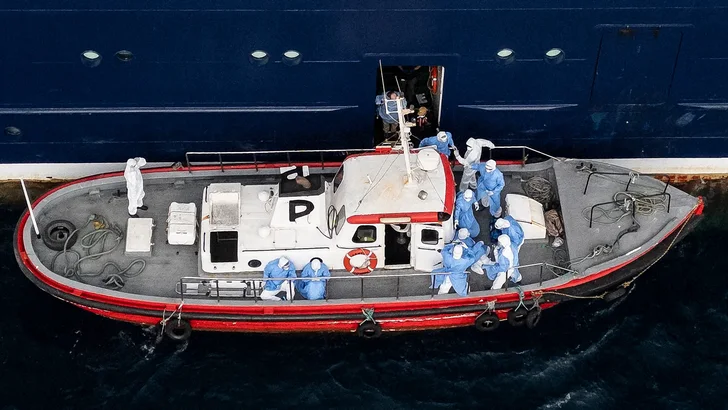
Three passengers have died, one is in intensive care in a hospital in South Africa, and three others have been evacuated from the ship. Another passenger who had left the ship earlier tested positive in Switzerland.
Argentina is sending genetic material and testing equipment to help Spain, Senegal, South Africa, the Netherlands and the United Kingdom in detecting the virus.
Humans are usually infected with hantavirus through contact with infected rodents or their urine, feces, or saliva. Human-to-human transmission is rare, but has been observed in several previous outbreaks with the Andean variant.
There are also concerns about 23 passengers who reportedly disembarked from the ship on the island of Saint Helena on April 23 and then returned to their countries, including the United States. Some of them are being monitored in states such as Georgia, California and Arizona, without showing symptoms so far.
The first death on the ship was a 70-year-old Dutch man on April 11. His 69-year-old wife later died in South Africa. A German passenger died on May 2.
Argentine authorities are trying to trace the passengers' itinerary before they boarded the ship in the southern Argentine city of Ushuaia. The virus's incubation period is between 1 and 8 weeks, making it difficult to pinpoint the exact location of infection.
WHO Director-General Tedros Adhanom Ghebreyesus said the organization is working with the ship's operators and health authorities to monitor the situation and assist with evacuations as needed. He added that the overall risk to public health remains low.
Three passengers were evacuated from the ship with around 150 people on board, allowing it to continue its journey to the Canary Islands, although there has been opposition from local authorities.
Experts in Argentina also warn that climate change could increase the spread of hantavirus, as rising temperatures affect the expansion of the habitat of rodents that transmit the virus.