Is this police force professional and capable of handling violen...
/ 2026-10-16 18:54:07Focus


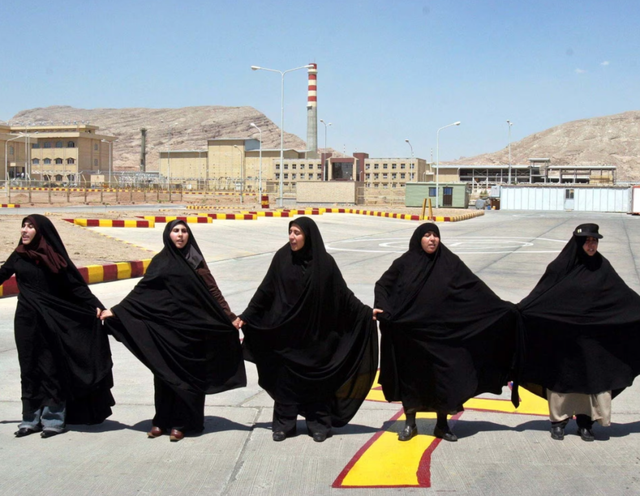
Why does a country with large oil reserves have such a strong need to have developed nuclear energy?
Patrick Wintour – The Guardian
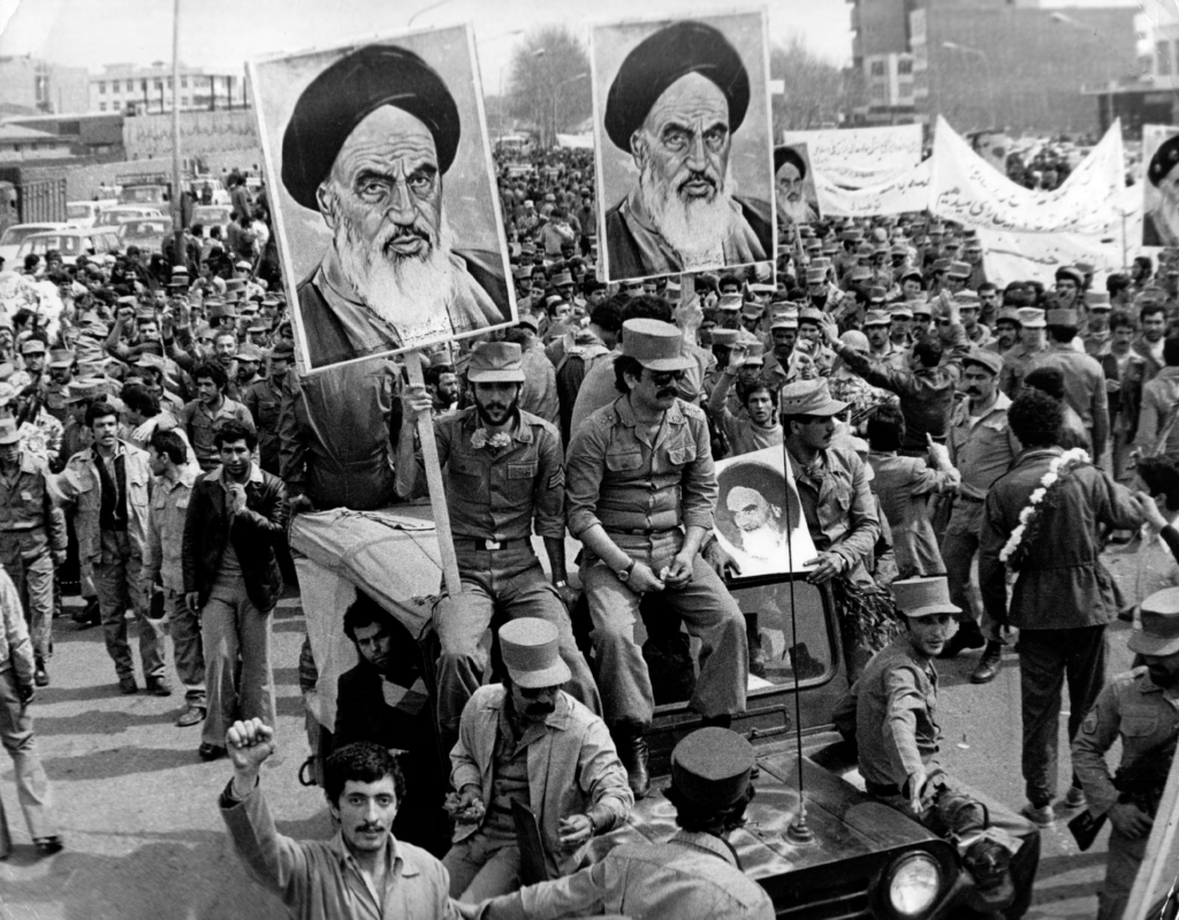
In October 1978, two leaders of the Iranian opposition to the British-backed Shah met in a Paris suburb to plan the final stages of the revolution, a revolution that after 46 years laden with dramatic and often violent events, may be nearing completion.
The two men had little in common except their nationality, age, and determination to overthrow the regime. Karim Sanjabi, the leader of the National Front, was a Sorbonne-educated academic, while Ruhollah Khomeini, a Shiite religious figure, had led the opposition to the monarchy since the 1960s. Sanjabi had brought a declaration of the goals of the revolution they would lead together, which mentioned democracy and Islam as basic principles. But Khomeini, with his own hand, added a third: independence.
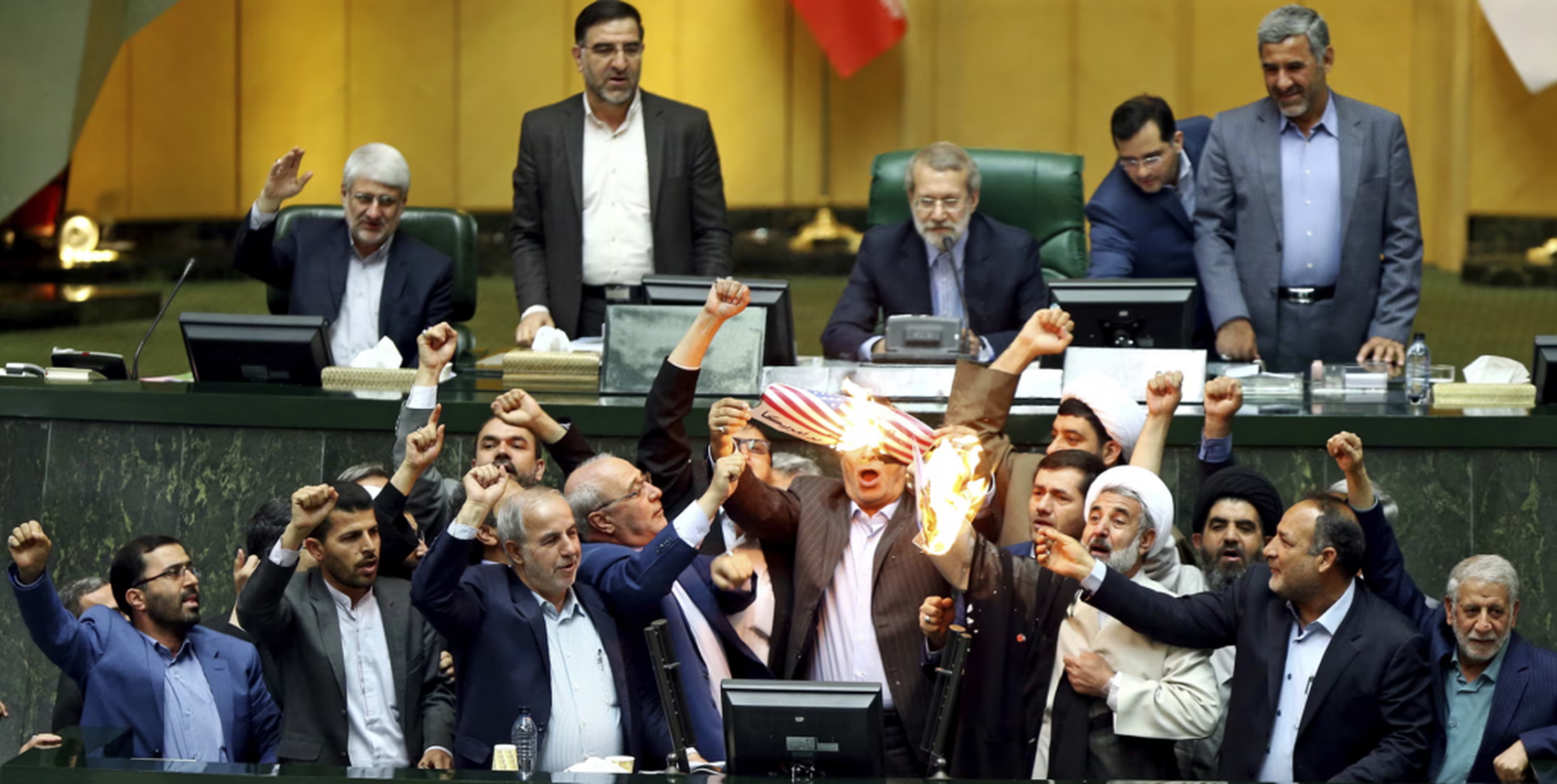
This demand for independence, born of a long history of colonial exploitation, also explains Iran's current insistence on the right to enrich uranium. This issue has been at the center of the conflict with the West since the beginning of the century and was a key point in the negotiations that led to the nuclear agreement (JCPOA) in 2015. This issue is precisely at the heart of the attacks that Iran is experiencing from Israel and the US.
From the American perspective, the demand to enrich uranium domestically when it could be imported from countries like Russia is seen as evidence that Iran secretly intends to build a nuclear weapon. Despite the supreme leader having issued an order against nuclear weapons, many in the West see this as a deception.
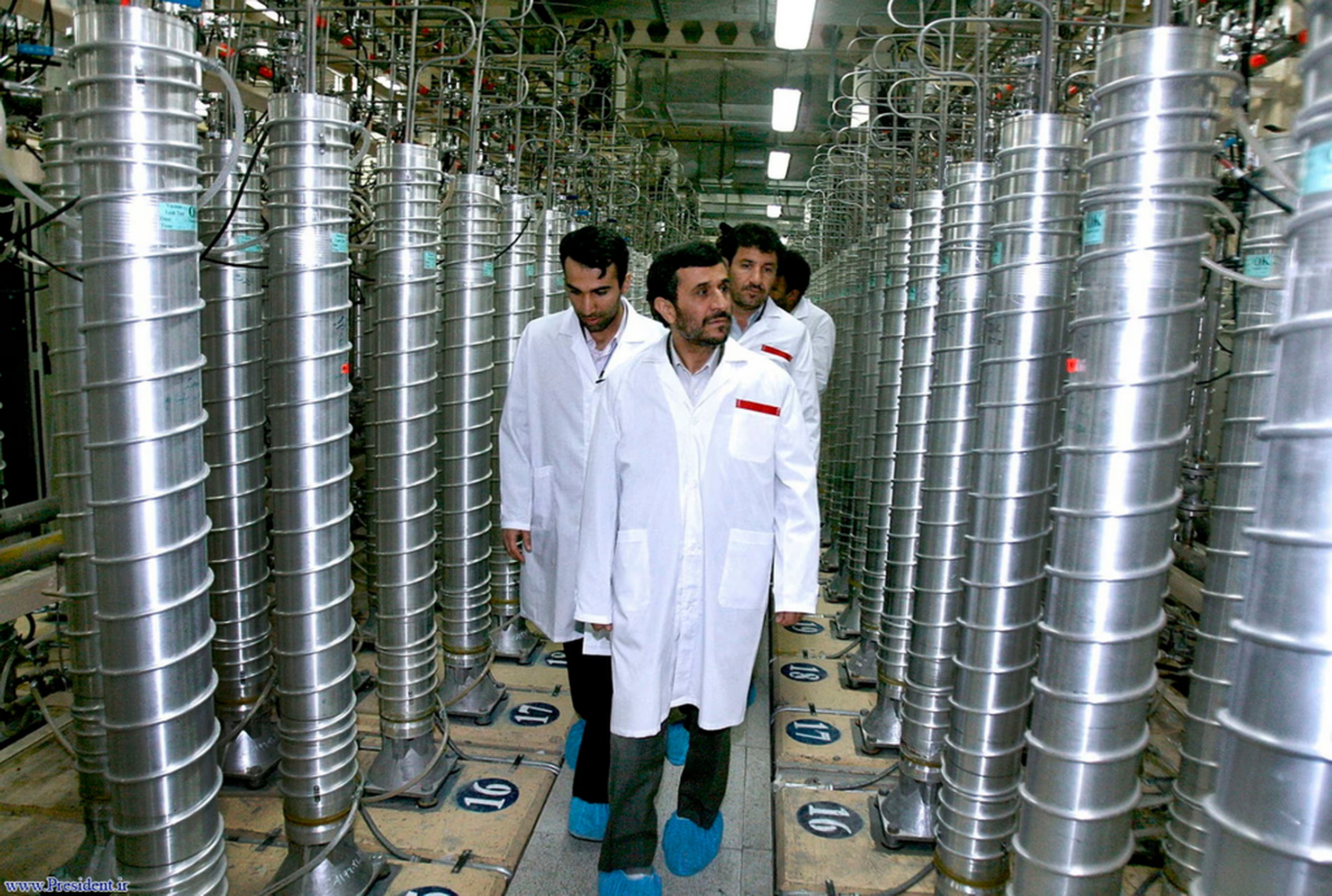
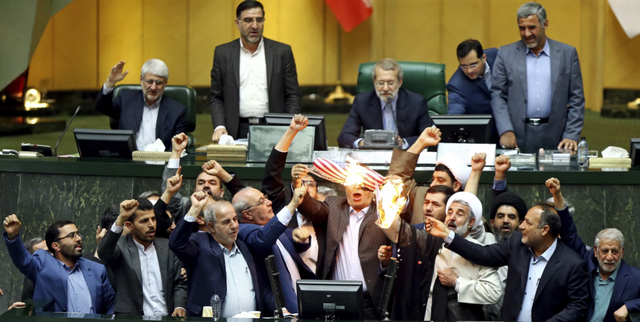
On social media, US Vice President JD Vance expressed precisely this doubt, saying that he saw no good reason why Iran should enrich uranium beyond civilian levels or violate its obligations under the nuclear non-proliferation treaty. He noted that enriching uranium for civilian use requires only 3.67% purity, while for nuclear weapons it needs 90%. Iran has already reached 60%, which is very close to the level needed for weapons.
Iran says this is not a mystery: it was an open and announced response to Trump's decision to withdraw from the deal in 2018, stripping Iran of the economic benefits it had been promised. In addition, the US imposed secondary sanctions that made it almost impossible for Europe to trade with Iran.
As a result, Iranian politics over the past decade has been shaped by the sense that Iran was the wronged party and that the United States is fundamentally untrustworthy. Moderate leaders like former President Rouhani and Foreign Minister Zarif invested heavily in reaching a deal with the West, only to be abandoned by the West. Meanwhile, Israel, which is not a party to the Non-Proliferation Treaty and has undeclared nuclear weapons, continues to be supported by the West.
However, the question remains: why does a country with so much oil insist on developing nuclear power on its own?
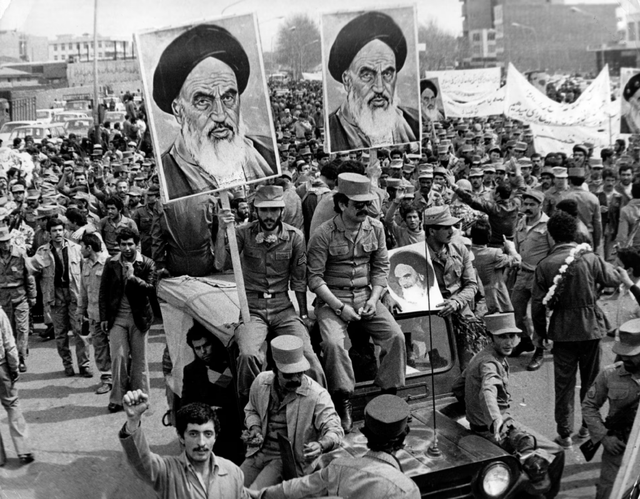
A new analysis by Vali Nasr in his book “Iran’s Grand Strategy” links this to historical experiences of colonial exploitation and the desire for independence. Nasr says that even before the revolution, before the hostage crisis or the sanctions, before the war with Iraq, Khomeini and his followers placed independence from foreign influence on a par with the importance of Islam in the state. Khamenei, the current leader, has said that the greatest benefit of the revolution is the fact that “all decisions are made in Tehran.”
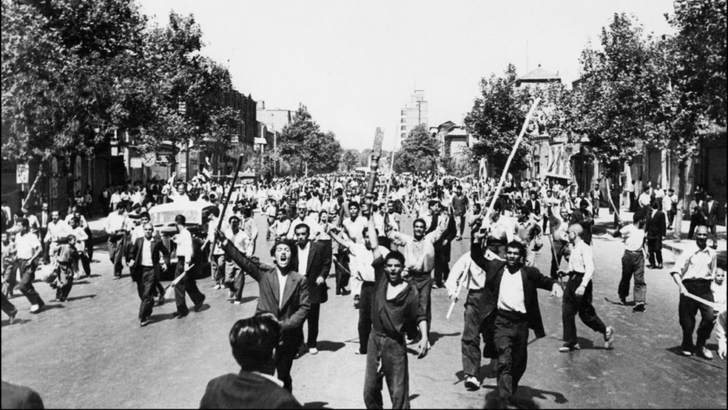
Many of the ideals of the revolution have faded with time, but the demand for independence has survived. This sentiment has deep roots. In the 19th century, Iran was squeezed between the imperial powers of Britain and Russia. In the 20th century, its oil resources were exploited by British companies. On two occasions, in 1941 and 1953, Iranian leaders were overthrown with the help of Britain and the United States. The overthrow of the popular Prime Minister Mohammad Mosaddegh in a CIA-organized coup over his efforts to control oil resources remains a deep national wound.
After the revolution, nuclear energy and the right to enrich uranium became symbols of independence. But it was initially the West that offered Iran this technology, as part of the “atoms for peace” program. With the approval of the United States, the Shah began building 23 nuclear power plants with the aim of Iran exporting energy and becoming a modern state. British historian Michael Axworthy has said that this strategy seemed at the time a clever way to use a limited resource (oil) to create an unlimited resource (nuclear energy).
But after the 1979 revolution, the program was halted. Khomeini considered nuclear energy an expression of Western decadence and a danger to dependence on foreign technology. However, after a few years, the need for energy and population growth forced the government to rethink its stance. The war with Iraq, attacks on half-finished plants and billion-dollar lawsuits against European companies became reasons for the rebirth of a new feeling, nuclear nationalism.
In 1990, the Iranian nuclear authority announced that by 2005, 20% of energy would come from nuclear sources. President Rafsanjani invited the exiled scientists to return to Iran and help build the program. He said: “If you don’t serve Iran, who will you serve?”
For a time, the program was seen as a symbol of scientific progress. But during the war with Iraq, Rafsanjani admitted that for the first time they had thought about a deterrent capability, although that idea did not become a reality. He traveled to Pakistan to meet Abdul Qadeer Khan, the “father” of Pakistani nuclear weapons, who later helped North Korea develop the atomic bomb.
In 2002, a leak revealed two secret uranium enrichment facilities. Iran said it was not obligated to notify the International Atomic Energy Agency (IAEA) because they were not operational. According to Iran, the Non-Proliferation Treaty guarantees the right of any state to develop a peaceful nuclear program.
From that time began a long process of negotiations that continues today. In 2003, under international pressure, Iran agreed to sign protocols that allowed for surprise inspections by the IAEA. In 2004, under the Paris agreement, it agreed to temporarily suspend uranium enrichment as a voluntary act of confidence-building, without being legally bound. But with the rise to power of populist President Ahmadinejad in 2005, the attitude changed. He presented nuclear technology as a scientific achievement of Iranian youth and emphasized its uses for energy, medicine and agriculture.
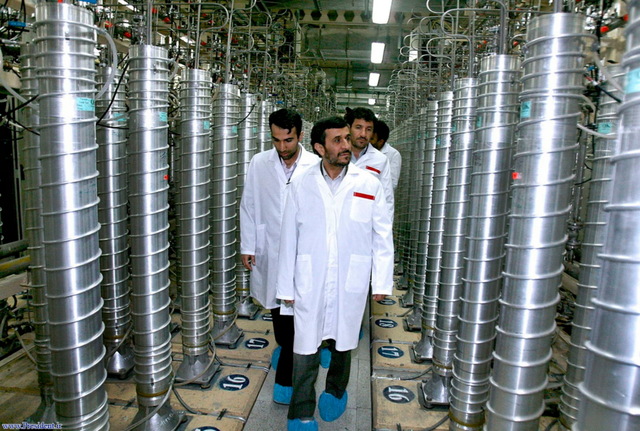
As the US demanded a halt to enrichment and Iran insisted on legal rights, European countries tried to mediate. Brazil and India also proposed compromises. But Western perception was shaped by the then-IAEA director, Mohamed ElBaradei, who said that Iran was not seeking weapons but recognition as a regional power. He believed that possessing nuclear technology gave Iran prestige and strength, and compelled the US to treat it as an equal.
President Rouhani wrote that for Iran, mastering the nuclear fuel cycle is not just about energy, but about national identity and dignity. Unless this is understood, many of the problems with Iran will never be solved.
However, if Iran's goal with the nuclear program was only security and independence, then the cost paid has been very high and perhaps self-destructive.