Is this police force professional and capable of handling violen...
/ 2026-10-16 18:54:07Focus


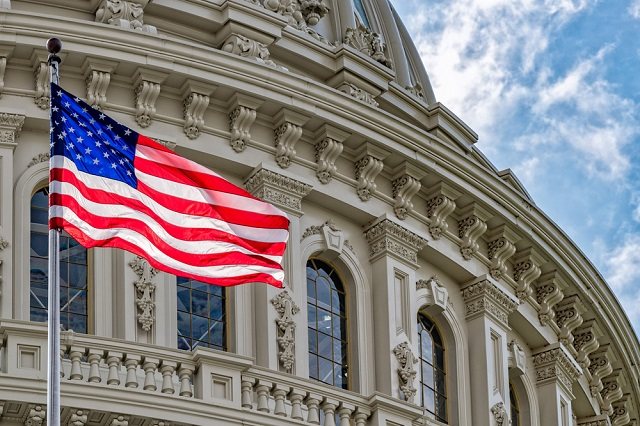
Political polarization and the challenge to world order
The post-World War II international order has never been free from power politics, but has been based on a tacit understanding. According to this understanding, the great powers pursue their interests within certain normative limits. Sovereignty, territorial integrity, self-restraint in the use of military force, and the involvement of allies and international institutions in decision-making have not only been understood as moral obligations, but primarily as important conditions for maintaining international stability.
It is not new news that this world order, which has functioned for over 80 years, is now under pressure. What makes the current situation particularly problematic is the fact that the main signals of the erosion of the current world order are not coming from the periphery of the system, but from its boss himself, the US president.
***
The developments of recent days, from the military operation in Venezuela, to the threatening rhetoric towards several other countries, to the return of the debate on the annexation of Greenland by the US, can hardly be explained as isolated episodes. They rather indicate a shift in the logic of the exercise of power, where the exercise of force is gradually being freed from the "shackles" of 80-year-old rules and norms for maintaining peace in the world.
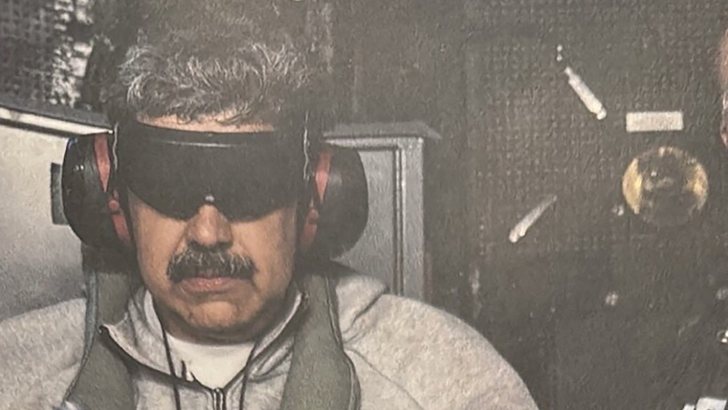
The abduction of Nicolás Maduro by US special forces on Venezuelan territory requires a more extensive analysis. In the domestic legal plan of the US, it is possible that the criminal proceedings against him will continue without stopping at the way he behaved before a US court. Previous practices show that the US legal system does not necessarily link the validity of the criminal prosecution to the assessment of the international legality of the arrest.
But this legal dimension does not touch on the essence of the problem. The fundamental question that must be asked is what consequences for the international order the fact that a superpower uses military force unilaterally to resolve a political conflict, bypassing multilateral mechanisms and without a clear international mandate. In this view, the issue is not so much about Maduro's personal fate, but about the message that such an action sends about the way the use of force is understood today.
Precedentët në politikën ndërkombëtare funksionojnë sipas një logjike të pamëshirshme. Ato nuk mbeten të kufizuara vetëm në rastin që i ka prodhuar dhe as te aktori që i ka krijuar. Një veprim që sot paraqitet si përjashtim i justifikuar mund të shndërrohet nesër në pikë reference për të tjerët. Pikërisht për këtë arsye, precedenti bëhet më i rëndësishëm se rasti konkret, pasi ai i dobëson rregullat e parimet që synojnë të kufizojnë përdorimin e forcës dhe e bën politikën e faktit të kryer gjithnjë e më të pranueshme.
Një logjikë e ngjashme shfaqet edhe në çështjen e Groenlandës. Këtu nuk kemi të bëjmë me një shtet kundërshtar, por me një territor të një shteti aleat të NATO-s. Vetë ideja se një aleat mund të vihet nën presion territorial nga presidenti amerikan, pra nga shefi që supozohet ta garantojë sigurinë e tij, minon themelet e aleancës euroatlantike. Aleancat funksionojnë mbi besim dhe respekt reciprok, jo mbi presion asimetrik. Në momentin që kërcënimi, qoftë edhe në formë retorike, bëhet mjet politik brenda aleatëve të NATO-s, arkitektura e sigurisë kolektive e humbet koherencën e saj.
Megjithatë duhet thënë se kambanat e alarmit kanë muaj që kanë rënë, qysh kur presidenti Trump miratoi vitin e kaluar Strategjinë e Sigurisë Kombëtare (SSK) për SHBA. Në ndryshim nga shumë vende të tjera, ky dokument i rëndësishëm strategjik konsiderohet si dokument ekzekutiv dhe nuk miratohet nga Parlamenti, dmth. nga Kongresi.
SSK e SHBA-së e vitit 2025 parashikon një zhvendosje të qartë të SHBA nga roli tradicional i saj si garant universal i rendit ndërkombëtar drejt një qasjeje selektive, transaksionale dhe të bazuar në interesin kombëtar të SHBA. Ky dokument strategjik pranon hapur kufijtë e fuqisë amerikane, vendos si prioritete kryesore hemisferën perëndimore dhe konkurrencën me Kinën në rajonin Indo-Paqësor dhe e trajton Europën jo më si qendër strategjike nën kujdesin e saj të drejtpërdrejtë - sikurse ka qenë historikisht deri tani -, por si partner dytësor që duhet të marrë përgjegjësi më të madhe për sigurinë e saj. Sipas këtij koncepti strategjik, aleancat dhe NATO nuk do të braktisen, por mbështetja amerikane bëhet e kushtëzuar nga kontributi i aleatëve, ndërsa multilateralizmi humbet karakterin normativ dhe shndërrohet në instrument praktik. E thënë më troç, kjo strategji nuk synon të ruajë më rendin botëror liberal të pasvitit 1945, por kërkon të menaxhojë një botë më të fragmentuar, më konkurruese dhe më të paqëndrueshme, ku stabiliteti nuk garantohet më nga rregullat, por nga raporti i forcës dhe besueshmëria te masat parandaluese.
Sipas politologut të mirënjohur gjerman, profesorit të universitetit të Këlnit, Thomas Jäger, këto zhvillime në politikën e jashtme të SHBA nuk mund të kuptohen të ndara nga dinamika e brendshme politike. Përkundrazi, ato janë shprehje e të njëjtit stil qeverisjeje, si personalizim i pushtetit, konflikt i përhershëm me sistemin dhe delegjitimim sistematik i kufizimeve institucionale. Raportimet mbi frikën e hapur të Donald Trump nga një procedurë e tretë impeachment-i (procedurë kushtetuese e shkarkimit të presidentit) dhe presioni i drejtpërdrejtë ndaj deputetëve republikanë që kanë kritikuar ndërhyrjen në Venezuelë, e ilustrojnë qartë këtë logjikë. Po ashtu, gjithmonë sipas Prof. Jäger, presidenti Trump nuk e konsideron kontrollin parlamentar si një element normal të qeverisjes demokratike, por e shikon si kërcënim ekzistencial ndaj pushtetit të tij personal. Më tej, presidenti Trump nuk e shikon humbjen e mbështetjes së shumicës në Kongres si rrezik për agjendën politike të Partisë Republikane, por si rrezik për vetë mbijetesën politike të presidentit.
Historia ka treguar se demokracitë shemben rrallë përmes akteve spektakolare. Kryesisht, ato dobësohen përmes erozionit gradual të rregullave e normave që i mbajnë institucionet funksionale. Kur kontrolli institucional perceptohet si armiqësi, procedurat kushtetuese paraqiten si armë politike dhe kur përdorimi i forcës, brenda dhe jashtë vendit, i nënshtrohet gjithnjë e më shumë oportunitetit politik të momentit, institucionet e humbasin funksionin e tyre stabilizues, edhe pse vazhdojnë të ekzistojnë formalisht.
Sa më sipër, Prof. Jäger shtron tre skenarë të mundshëm për zhvillimin e situatës brenda sistemit politik në SHBA:
Në skenarin e parë, institucionet amerikane tregojnë rezistencë. Kongresi, gjykatat dhe institucionet amerikane vazhdojnë të vendosin kufij ndaj pushtetit ekzekutiv edhe pse gjenden nën presion të vazhdueshëm. Përvoja ka treguar se gjykatat janë vënë nën presion publik kur vendimet nuk i janë përshtatur presidentit, i cili i ka shpallur ato “të politizuara”, “të padrejta” ose produkt i një elite armiqësore. Në raport me Kongresin, presioni po ushtrohet përmes personalizimit ekstrem të besnikërisë politike. Kongresmenët nuk trajtohen si përfaqësues të një pushteti të pavarur kushtetues, por si aleatë ose kundërshtarë personalë. Ata që mbështesin linjën e presidentit shpërblehen politikisht, ndërsa ata që kërkojnë kontroll ose llogaridhënie ekspozohen ndaj presionit publik, kërcënimeve elektorale dhe delegjitimimit brenda partisë. Në këtë kuptim, mekanizmi kushtetues i kontrollit shndërrohet në test besnikërie personale. Një element qendror në analizën e Prof. Jäger është mënyra se si presidenti Trump e riformulon idenë e kontrollit institucional. Impeachment-i, hetimet parlamentare apo vendimet gjyqësore nuk paraqiten si procedura normale të një demokracie funksionale, por si “sulme” ndaj vullnetit të popullit. Kjo retorikë e zhvendos konfliktin nga sfera procedurale në atë morale. Kush e kritikon presidentin paraqitet jo si kundërshtar politik legjitim, por si armik i popullit ose i rendit.
Si rrjedhim, argumenton më tej prof. Jäger, dëmi që shkaktohet është i dukshëm. Polarizimi politik thellohet, besimi publik në institucione gërryhet dhe proceset demokratike perceptohen gjithnjë e më shumë si instrumente të luftës partiake. Stabiliteti arrihet jo përmes konsensusit, por përmes një gjendjeje konflikti të përhershëm.
Skenari i dytë përshkruan një gjendje paralize institucionale. Vendimet e politikës së jashtme mund të prodhojnë kriza të brendshme. Përplasjet partiake bllokojnë procedurat kushtetuese dhe shteti humbet aftësinë për të vepruar në mënyrë koherente. Demokracia mbetet formalisht e paprekur, por dobësohet funksionalisht. Për aleatët, Shtetet e Bashkuara mbeten një aktor të fuqishëm, por të vështirë për t’u parashikuar, çka shpie në një situatë që dëmton rendin ndërkombëtar po aq sa shkeljet e hapura të rregullave.
Skenari i tretë dhe më problematiku është ai i normalizimit. Sjellja politike që sot perceptohet si devijim normalizohet dhe shndërrohet në sjellje standard. Institucionet nuk rregullohen, por përshtaten. Kontrolli ushtrohet në mënyrë selektive, sepse kostoja politike e tij bëhet shumë e lartë. Në politikën e jashtme, SHBA largohet gradualisht nga roli i garantueses së rendit të bazuar në rregulla dhe vepron gjithnjë e më shumë sipas interesit të momentit. Demokracia mbetet në letër, por humbet përmbajtjen e saj liberale.
Time will tell which of the scenarios will follow. According to media reports, it is expected that in the coming days Congress will focus mainly on restoring its oversight role over the actions of the Trump administration. Democrats will request detailed reports and will hold a debate on the legal basis of the operation in Venezuela and on the president's powers to use force without prior authorization. It is also expected to introduce resolutions that limit the use of force by the executive branch, while the rhetoric about impeachment will remain present, but without immediately turning into concrete proceedings.
As mentioned above, the coming days are expected to be more of a testing and political positioning phase than a final decision-making procedure. They will show whether Congress is willing to actually exercise institutional control, or whether the conflict will remain largely symbolic.
***
The question we have chosen as the title of this analysis, “Will American institutions last,” cannot have a simple answer. The whole world is anxiously following political developments in the United States, and what worries many people - including the writer of these lines - is whether American institutions will continue to be guarantors of the current world order, which has never been questioned until now. Of course, institutions do not stand for granted. They must be historically consolidated and structurally strong. Their durability depends on the willingness of political actors to accept the limitation of power as a condition of legitimacy and not as a personal obstacle. If this willingness fades, institutions begin to slowly wear out. Silent wear and tear, not spectacular and noisy collapse, today constitutes the most serious danger to American democracy and, consequently, to the international order that the United States itself has helped to build with blood, money, sweat, and sacrifice.