Is this police force professional and capable of handling violen...
/ 2026-10-16 18:54:07Focus


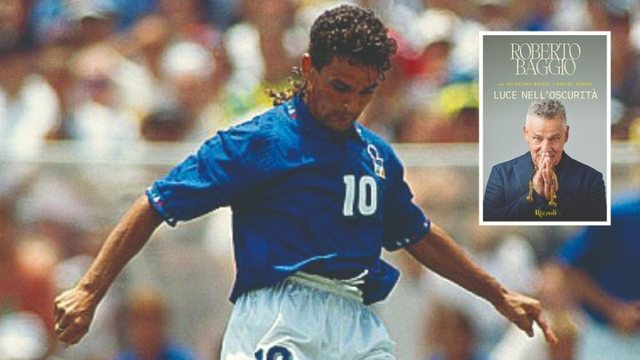
"The World Cup? Sacchi would have preferred me not to play in the final"
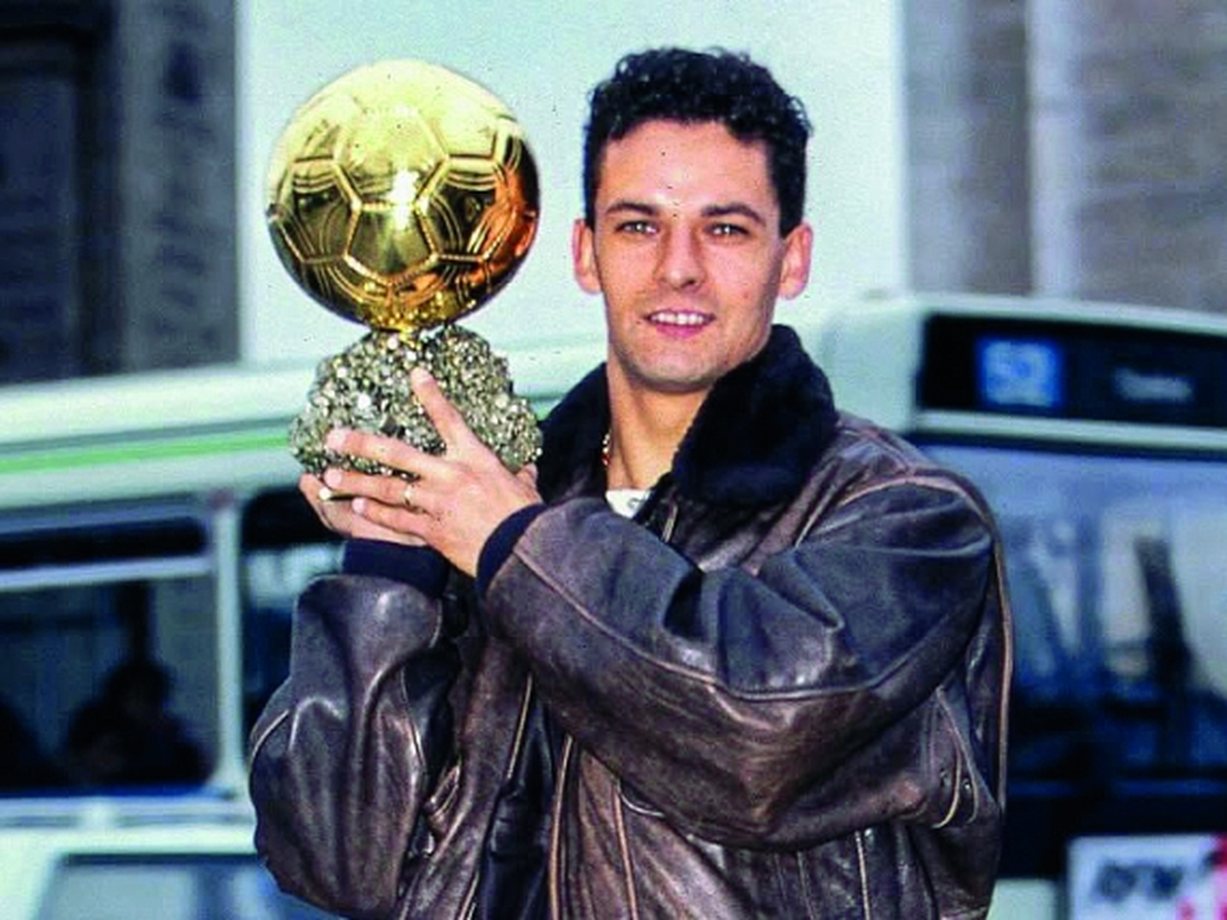
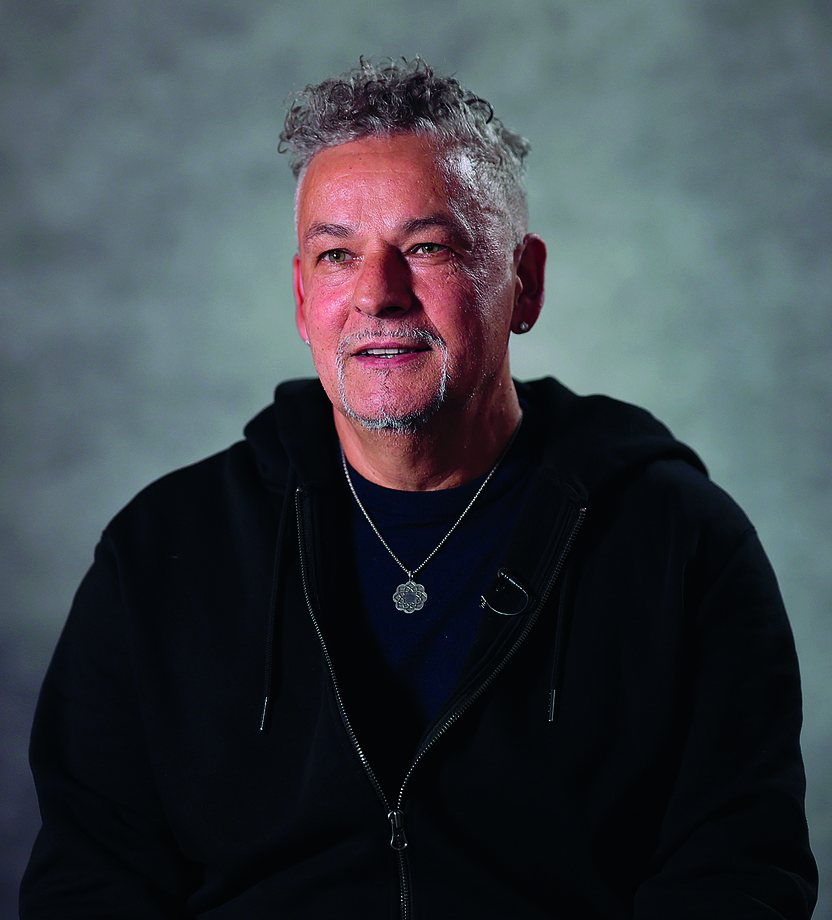
Former Italy footballer Roberto Baggio has given an interview to Corriere Della Sera where he spoke about many topics. Of course, the one for which Baggio is still remembered is the penalty he missed in the World Cup final against Brazil.
The "Axurri" legend also showed his other side, that of his family, and stated that without Buddhism, he would not have become the Baggio we know.
Pasadena, July 17, 1994.
“I felt guilty towards all Italians. I had never kicked a penalty over the crossbar. I had hit it once against Vicenza, but then the ball went in. I wanted to disappear. I felt an infinite shame, one of those things that stays with you even as the years go by. Over time you learn to live with it, but it is a wound that never fully heals.”
Really, Roberto Baggio?
“Even today I can’t fully forgive myself. I know it may seem strange, because football is also made of mistakes, but that moment weighed heavily on me. My head bowed has become the image that many associate with that World Cup final. But for me, it wasn’t a forced gesture; it was simply what I felt. A silent, perhaps unconscious way of apologizing to Italy and to all the people who had hoped for us. As a child, I dreamed of playing in the World Cup final with Brazil. It was an ancient dream. Even today, when I think back, I find it difficult to explain what happened.”
The Brazilians are convinced that the ball was deflected from Paradise.
"A few months ago, Ayrton Senna died. I know that some people in Brazil thought about that too, as if there had been a sign, something bigger. They say that he was the one who deflected the ball over the crossbar. These things belong to the mystery, to the sensitivity of each person. I can only say that for me, that ball still remains suspended in a place difficult to reach with words."
Do you believe in God?
“I believe in human beings. I believe in the strength that each of us carries within, even when we cannot see it, even when we think we have none left. I do not think so much of an external God who makes decisions for us, but of an inner strength that must be sought, cultivated, respected. Within each of us lies a great possibility: the possibility of transforming ourselves, of rising again, of achieving goals that seemed impossible. But we must work for it, humbly, every day.”
What were your previous lives like?
“Of course, I can’t be sure. But deep down, I’ve always felt that maybe, in a previous life, I didn’t behave well. I say this very simply, without trying to teach anyone anything. In this life, I’ve had to face so much hostility, so much physical pain, so much hardship. Sometimes, I’ve had the feeling that I had arrived here with heavy karma, something to transform, to alleviate through commitment and suffering. Maybe I’m paying for something, maybe I’m learning something. However, I try not to waste what pain has taught me.”
Are you paying for something? For forty years, you were one of the most beloved people in Italy; you were successful.
“The love of people gives me immense pleasure and touches me, because it is never something to be taken for granted. When someone still stops me today, when they say a kind word to me, I feel grateful. Success, however, in my opinion, should be treated with delicacy. You have to stay humble, work hard, keep your feet on the ground. I have always tried to do it, with passion and respect. Perhaps the love I have received also stems from this. However, deep down, I also feel that the physical and mental suffering I have experienced is part of the karma I carry within me. The love I receive does not erase the pain, but illuminates it.”
And will the next life be better?
“I am laying the foundation to clear my karma and enter a new life with more luck than the one I am experiencing today. What Buddhism has taught me is to become a better person. I cannot say how much better my next life will be, but I have certainly made an effort to be more prepared. But I also hope to become a better person in this life. Buddhism has taught me that transformation is not an abstract word: it is a daily effort. I do not know how much I have improved – that is not for me to say – but I know that I have made an effort.”
So, the afterlife doesn't exist?
“I believe that what remains of us is what we have built inside: our heart, our soul, our intentions, our actions. Buddhism calls it karma. It is something that accompanies us, that determines who we are and perhaps who we will be, where we will go, how we will continue on our path. I do not imagine the afterlife as a specific place, but I feel that nothing we do is lost. Every gesture leaves a trace.”
You were born into a Catholic family in the Veneto province in the 1960s. How did your conversion go?
“I discovered Buddhism in the late 1980s thanks to my friend, Maurizio Boldrini, who owned a record store where I would stop after training. He introduced me to Buddhism and explained that it could help me feel better in one of the darkest moments of my life. From that moment on, I began a constant commitment to work within myself, which continues to this day. I have never missed a day of prayer, once in the morning and once in the evening. At first, I was afraid to tell my parents; in Veneto at that time, everyone was Catholic.”
Would you have become Baggio without Buddhism?
“Buddhism was definitely my refuge; it shaped me as a person, leading me to work on aspects of my character that I hadn’t noticed before. It gave me strength when I needed it most and the courage to never give up.”
Your first memory?
"Definitely the ball. I slept with it, I always carried it with me."
How was your family?
"There were 10 of us. I remember lunches and dinners all around one table. We didn't have much, but we had everything. Dad was a hard worker, passionate about football and cycling, and a big Inter fan."
And who did you support?
"Pablito Rossi's Vicenza, my hometown team. I used to go to the stadium on the crossbar of my father's bicycle; those were the years of austerity. I've never forgotten that cold. Nor that happiness."
What job would he have done if he hadn't been a footballer?
“A turner, with my father. He was a phenomenon, he knew how to do everything. The lathe was under my window. I would go to bed and hear the noises from the workshop. I would wake up and he would already be working. We would go hunting together: it wasn’t a hobby, it was a way to have something on the table. We never lacked for anything, but I remember the first time I ate a steak. I had been seeing Andreina for a while. My father-in-law cooked me a steak and I was convinced that it should be shared among everyone. I remember my surprise when he told me that it was all mine. At home, we would share such a steak among ten people.”
Do you still like working with your hands?
"A lot. Sometimes I build, weld, carve cork. And I work the land, I'm in the forest taking care of the trees, I really like using the excavator."
His knees are full of wounds.
(Baggio lifts his trousers) "Those are the scars left by the many injuries that have interrupted my career. The first time I broke my knee, I was just a child, and there weren't the surgical techniques we have today."
So you went to France, to Saint-Étienne, to see Bousquet.
“The first in Europe to operate with organic materials. They removed tissue from my muscle, the vastus medialis, to reconstruct the cruciate ligament, which was no longer there. The leg had to be opened like a book so that the operation could be performed immediately. We went to Saint-Étienne in the family’s old Ford. A twelve-hour journey in silence: I was terrified that I would never play again.”
What about after the surgery?
“Kur u zgjova nga anestezia, bërtita nga dhimbja. Nuk mund të merrja qetësues dhimbjesh; gjithmonë kam qenë alergjike. I thashë nënës sime: ‘Nëse më do, më vrit.’ Nuk mund të vrapoja ose të stërvitesha si më parë. Për muaj të tërë, nuk i mora rrogat e Fiorentinës në dorë.”
Pse?
“Sepse turpërohesha. Nuk mund ta pranoja idenë e të fituarit pa qenë në gjendje të punoja, pa qenë në gjendje të jepja diçka në këmbim. Kështu që i futa rrogat në sirtar. Më kujtohej babai im, fytyra e tij, zëri i tij kur thoshte se paratë e pamerituara sjellin fat të keq. Për mua, puna ka qenë gjithmonë e lidhur me dinjitetin. Edhe nëse lëndohesha, edhe nëse nuk ishte faji im, prapë e ndjeja atë barrë.”
Në librin tuaj të bukur “Dritë në errësirë”, të cilin Rizzoli do ta botojë javën tjetër, ju rrëfeni golin që ju zbuloi botës: slalomin kundër Çekosllovakisë në Italia 90. Po atë ditë, ju bletë shtëpinë ku jetoni ende.
“Pa e parë fare. E gjitha ndodhi gjatë Netëve Magjike. Nuk kisha as para për ta blerë, jo mjaftueshëm. Por gjithmonë kam qenë i mirë në vendosjen e një qëllimi dhe në dhënien e gjithçkaje. Kam kaluar mirë në shumë qytete, por Vicenza është shtëpia ime, aty ku janë njerëzit e mi.”
Si e takuat gruan tuaj, Andreina?
“Ne njihemi që kur ishim fëmijë; jetonim disa qindra metra larg dhe shkonim në të njëjtën shkollë të mesme. Një mbrëmje korriku, në prag të kampit tim të parë stërvitor me Vicenzën, ndaluam për të folur dhe i kërkova një unazë të vogël si premtim, të cilën do t’ia ktheja kur të kthehesha. Pikërisht kështu mbaroi. U ktheva nga Recoaro, u pamë, ia ktheva unazën dhe po atë mbrëmje u fejuam. Gjithmonë kishim ëndërruar të kishim fëmijë, vendosëm për emrat e tyre shumë kohë para se të vinin, në makinë i thoshim njëri-tjetrit: ‘Mendoni vetëm kur Valentina dhe Mattia do të jenë ulur në sediljen e pasme.'”
Pastaj lindën Valentina dhe Mattia.
“Mattia, si shoku i Remit, filmi vizatimor që shihnim si fëmijë. Në më shumë se dyzet vjet, nuk jemi larguar kurrë nga njëri-tjetri, as për një ditë. Lindi edhe fëmija ynë i tretë: Leonardo, si Leonardo da Vinçi. Andreina më ndiqte kudo që luaja dhe gjithmonë më bënte të ndihesha si në shtëpi. Jemi të bindur se ishim të bashkuar tashmë në një jetë të mëparshme.”
Burrë e grua?
“Nuk e di si, por jam e sigurt. Ndoshta burrë e grua, ndoshta vëlla e motër, ndoshta nënë e bir. Nuk mund ta di. Por ndiej sikur ajo lidhje ishte tashmë aty, në një farë forme. Ka takime që nuk duket se fillojnë vërtet kur takohesh për herë të parë. Ato duket se vazhdojnë diçka.”
Vera e vitit 1990: transferimi nga Fiorentina te Juventusi. Një traumë.
“Firence u rebelua. Në kampin stërvitor të Azzurri-t në Coverciano, mbërrita i fshehur në një makinë policie, që të mos më njihnin tifozët e Viola-s te portat. Qava si foshnjë. Mund të dëgjoje ambulancat që kalonin, duke u drejtuar drejt selisë së Fiorentinës, ku përleshjet zgjatën tre ditë. Ndjeva dhimbje të tmerrshme nga gjithë ai zemërim dhe vuajtje. Nuk kisha dashur kurrë të më shisnin, por ndihesha fajtore.”
Kur u kthye në Firence me Juventusin, ndërsa po kthehej në dhomën e zhveshjes, tifozët i hodhën një shall të purpurt.
“Dhe e mora nga toka. Ishte një gjest respekti, dashurie ndaj asaj skuadre që kishte besuar tek unë pavarësisht të gjitha lëndimeve.”
Dhe nuk e gjuajte penalltinë kundër Fiorentinës.
“De Agostini, i cili ishte gjuajtësi i penalltisë para se të vija unë, gjuajti penalltinë.”
Në libër, ju flisni për marrëdhënien tuaj me Lippin te Interi. Si e shpjegoni urrejtjen që ndonjëherë keni marrë nga trajnerët tuaj?
“Nuk më pëlqen t’i gjykoj të tjerët, sepse secili ka karakterin e vet, frikën e vet, mënyrën e vet të përjetimit të futbollit. Por ndonjëherë kam pasur ndjesinë se disa trajnerë e kanë pasur të vështirë të pranojnë që kishte kaq shumë vëmendje rreth një lojtari. Ndoshta nuk ishte xhelozi në kuptimin banal, por nevoja për të pohuar autoritet. Gjithmonë jam përpjekur të jem i disponueshëm, por nuk ka qenë gjithmonë e mjaftueshme. Edhe kjo është pjesë e historisë sime.”
Për Sacchin, pas zëvendësimit të tij në SHBA ’94 kundër Norvegjisë, ai i tha botës: “Ky djalë është i çmendur.”
“Ata e kishin përjashtuar portierin Pagliuca. Taktikisht, duhet të më kishin përjashtuar mua në vend të Casiraghi-t, një qendërsulmues fizikisht të fortë. Por një ditë më parë, Sacchi më kishte thirrur në dhomën e tij të hotelit dhe më kishte thënë: “Ti je për ne ajo që Maradona është për Argjentinën.” Këto fjalë më mbetën në mendje. Kjo është arsyeja pse, kur pashë zëvendësimin, më dukej si një kontradiktë e madhe. Nëse do të ishte vërtet kështu, mendova, atëherë Maradona nuk do të ishte zëvendësuar kurrë. Ishte një reagim instiktiv, i lindur nga zhgënjimi.”
Na çove në finale, por arrite atje copë-copë.
“Mëngjesin pas gjysmëfinales kundër Bullgarisë, më duhej të shkoja te dentisti: një mbrojtës më goditi me bërryl dhe më theu buzën dhe gjysmën e një dhëmbi, të cilin e zëvendësuan. Mbaj mend që isha aq në siklet, saqë luajta pjesën e dytë duke e mbuluar dhëmbin e thyer me çamçakëz. Në Los Angeles, në prag të finales, më vunë të praktikoja gjuajtjen në sallën e dasmave të hotelit, për të parë si po shkoja. Isha fizikisht dhe mendërisht e rraskapitur, si të gjithë të tjerët. Udhëtimi drejt finales nuk kishte qenë i lehtë. Arrita të besoja se prania ime në finale nuk ishte përparësi.”
Po thua se Sacchi nuk donte që ti të vije në fushë kundër Brazilit?
“Do të ishte e padrejtë t’u atribuoja të tjerëve qëllime që nuk mund t’i kuptoj plotësisht. Megjithatë, do të them se ndjeva një situatë të paqartë. Ndoshta ata menduan se një fitore pa mua do ta entuziazmonte më tej ekipin. Dhe ndoshta, në rast të një humbjeje, mungesa ime mund të bëhej një justifikim. Këto janë mendime që më kaluan në mendje në atë moment.”
Trapattoni iu la në shtëpi në vitin 2002.
“Kisha punuar si e çmendur dhe i thashë Andreinës: harroje të kesh burrë. Trapattoni më telefonoi ndërsa isha në Caldogno në tarracën e shtëpisë sime me Valentinën. Nuk do ta harroj kurrë zërin e tij: ‘Nuk kam dëshirë të të marr, kam frikë se do të lëndohesh.’ Megjithatë, unë kisha treguar se nuk kisha frikë nga asgjë. Dhe nëse do të isha lënduar, do ta mbyllja Kupën e Botës në mënyrën madhështore.”
A ka ndonjë trajner me të cilin je marrë vesh?
“Gjithmonë e kam bërë veten të disponueshme për grupin dhe trajnerët. Shkova mirë me të gjithë trajnerët që nuk kishin nevojë të provonin asgjë dhe që nuk kishin nevojë të dukeshin më të fortë se unë. Gjithmonë kam dhënë gjithçka nga vetja dhe prova është se gjithmonë kam shkuar mirë me të gjithë shokët e mi të ekipit.”
Edhe me Del Pieron, i cili mori fanellën me numrin 10 te Juventusi?
“Nuk ka pasur kurrë ndonjë rivalitet të vërtetë. Gjithmonë kam ndjerë sikur Alessandro ishte si një vëlla i vogël. E pashë të mbërrinte, të rritej, të shpërthente. Ishte një djalë serioz dhe i sjellshëm me talent të jashtëzakonshëm. Në dhomën e zhveshjes, flisnim në dialekt venecian dhe kjo na afroi më shumë. Kjo ndodh edhe sot, kur takohemi. Fanella me numrin 10 është e rëndë, sigurisht, por nuk duhet të bëhet mur midis njerëzve.”
Ronaldo Fenomeni?
“Kur theu gjurin, vuajta vërtet për të. E dija çfarë do të thoshte të shihje trupin tënd të të tradhtonte, të ndjeje se një pjesë e jotja nuk përgjigjet më ashtu siç dëshiron. Ai ishte një talent i jashtëzakonshëm, diçka e rrallë. Dhe ndoshta pikërisht kjo është arsyeja pse dhimbja e tij më preku edhe më shumë.”
Mazzone bëri një përjashtim për qenin e tij. Ai nuk lejonte kafshë në fushën e stërvitjes; mendoj se kishte frikë, kështu që një mëngjes kur pa Labradorin tim Miele duke vrapuar në bar, bërtiti në dialekt romak: “Hej, i kujt është ky qen i mallkuar?” Një shok skuadre iu afrua: “Zotëri, është qeni i Robit.” Dhe ai, si serafik, tha: “Çfarë po prisni? Jepini një biskotë, lëreni të luajë!” Është një episod i famshëm që e përmbledh më së miri marrëdhënien tonë.
Je i vetmi italian që ke shënuar në tre Kupa Bote. Dhe i lënë jashtë loje për tre Kupa Bote radhazi. Pse? Dhe si dilet nga kjo?
"There are so many things that need to be fixed. Kids don't play on the streets anymore. And there are few Italians in Serie A. If you have to go and take a player somewhere else and naturalize him, that means you haven't found an Italian player willing to play at the same level. We need to create a formula that really encourages the use of young Italians. The talent is still there, but it needs to be sought out, protected and cultivated. And you need to have the courage to trust it."
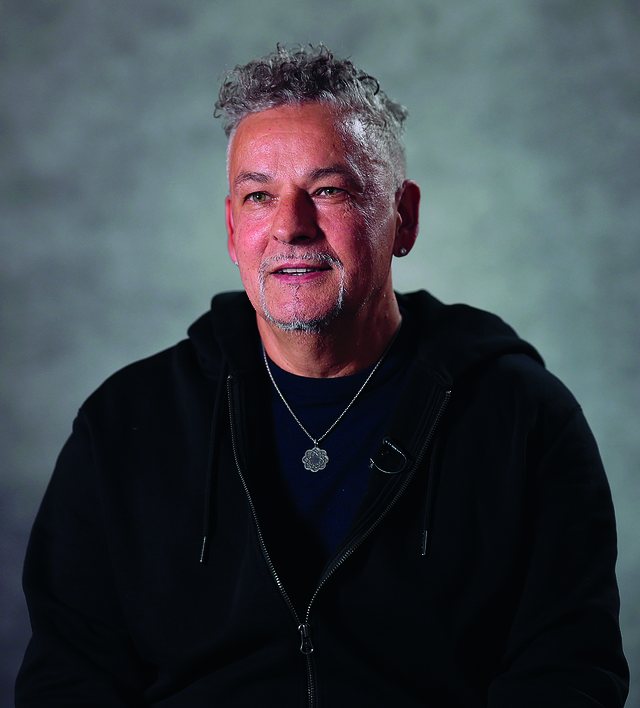
After years of silence, you opened an Instagram profile with almost a million followers. Does your daughter follow you, or not?
“Women have an advantage; working with Valentina is special. I have never liked being in the spotlight. I have always spoken little. But over time, things change; it is good to open up to the world with simplicity and to be able to maintain a direct connection with fans, wherever they are. Once, this was unimaginable, impossible. Even the idea of writing the book was conceived as a way to speak directly to people, to encourage young people and those who feel lost, as I felt before my rebirth.”
What happened to his 900-page dossier on football reform?
"I don't presume to think that that project was good and sufficient to solve the problems of Italian football. It wasn't just mine; it was written with other excellent professionals. I tried to take it forward, to give everyone credit. Things don't always go as hoped."
Who was the greatest player of all time?
"You can't tell. Maradona was special. Humble. Once, on the flight to Argentina, we dribbled the ball together."
Maradona and Baggio's dribbling of the ball on an airplane is amazing.
"Thirty thousand meters above the ground, close to the sky. Even including my Mattia. The best player I played with, who didn't make a career, was my friend Ferruccio Polo from Grado, known as the Flying Dutchman."
Who is Ferruccio?
“He went from Gradese to Fossalon for a cart of corn and two laying hens. When we meet, he tells me: ‘You only became Baggio because I got injured. Otherwise, I would have kicked you so many times that I wouldn’t have let you touch the ground.’ (Roberto laughs.)
Are you still dreaming about the penalty in Pasadena?
'Continuously.' Sometimes, though, I think about it while I'm awake, in bed, when I can't sleep. I imagine it while marking. And I fall asleep.'