Is this police force professional and capable of handling violen...
/ 2026-10-16 18:54:07Focus


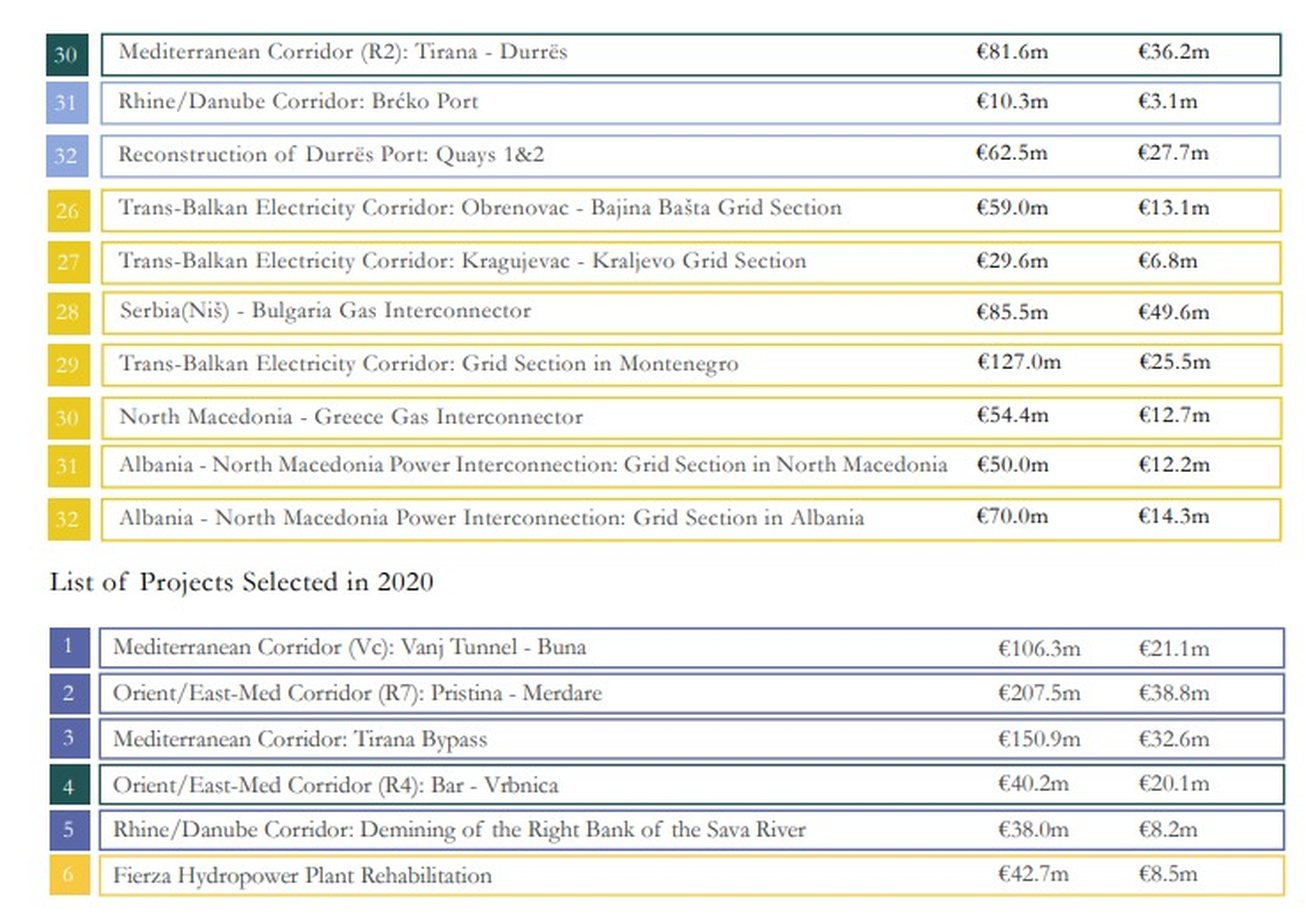
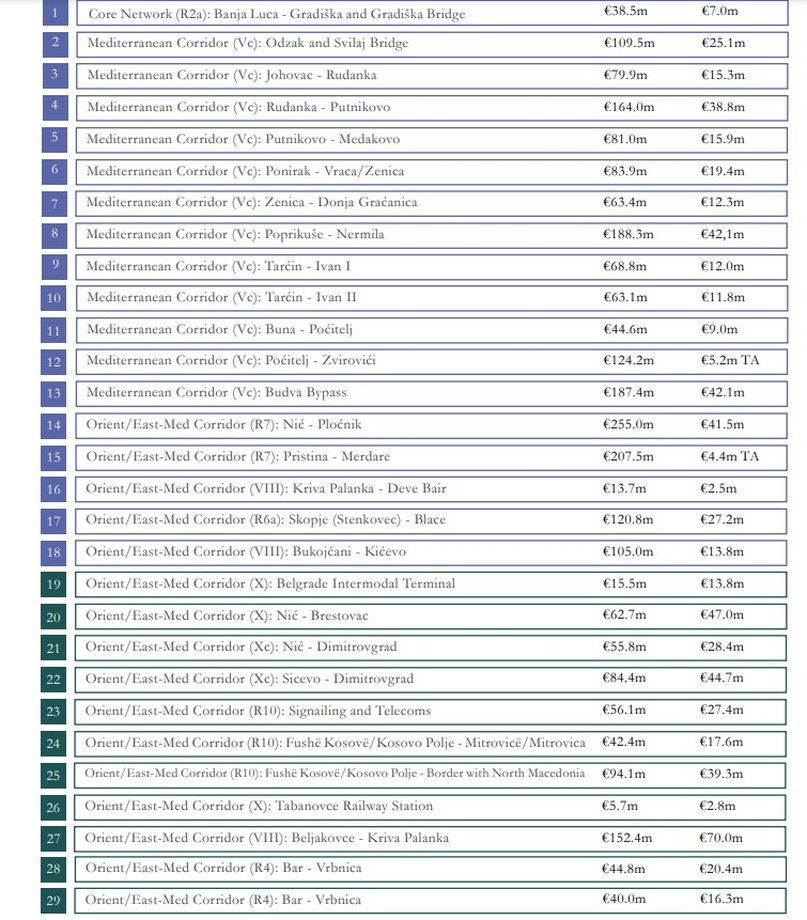
European countries have set over 2 billion euros in infrastructure project financing in the six countries of the Western Balkans, as part of the 'Berlin Process' initiative.
The funds do not have a ceiling, but are disbursed on the basis of the projects that are submitted by the Balkan countries, including Albania, the compatibility of these projects with the strategic objectives set by the EU in the field of climate and interconnection, as well as on the basis of the cost-effectiveness assessment .
The money was given after the Trieste summit in 2017, where of all the countries in the region, only Albania came up dry, not securing any winning project for financing. At that time, Albania tried to attract funding for six road and energy infrastructure projects. But none of them was approved.
The first attempt was related to the financing of the road axis from Shkodra to Kashar, part of the project known as the 'Blue Corridor'. For this project, Montenegro, Bosnia and Croatia have received support. What brought down the Albanian project, according to sources for Voxnews.al, sources familiar with the discussions at the time, was the inflated cost that was presented and a truncated feasibility study.
The government compensated for the failure to build it with EU funds by granting concession segments of this axis, starting from Milot to Fier. The value of these concessions is considered inflated, while there have been accusations and suspicions of corruption in the selection of the winning companies.
Another EU funding that was blown up by the Albanian Government was for the expansion of two quays in the Port of Durrës. The Berlin process made available 27.7 million euros for this investment. But the concession of this port to turn it into a yacht port burned these funds as well.
The three projects that Albania has managed to attract the attention and money of the EU are for the Tirana Bypass, with a cost of around 150 million euros and the reconstruction of the Fierza Hydropower Plant worth 42.7 million euros and the energy interconnection with North Macedonia with a cost of 70 million euros.
In total, the figure constitutes about 10 percent of the funds made available to the countries of the region within the framework of the Berlin Process, and none of them is a major strategic investment, such as the planned projects, for example in Kosovo, where only 207 million euros are available for the Pristina-Merdare highway.
However, the biggest problem is not the loss of the opportunity in the past to secure funding through grants or soft loans from the European Union for priority projects. The problem is that past mistakes are not being remembered.
Why? The Albanian government recently announced the launch of the feasibility study and design of the project for the construction of the Durrës-Prishtina railway. In the tender, a union of companies with an offer of 1.6 million euros was declared the winner.
The company must come out within 14 months with a concrete project and an estimate of its cost. In advance, it is estimated that the construction of this railway, up to the dividing line with Kosovo, will cost up to 750 million euros.
This is the preliminary estimate, but based on past experiences, when it comes to projects of this size, they come out of expectations. As an example, Rruga e Kombit was started to be built for 250 million euros, but so far it has exceeded 1.2 billion euros and is still not finished.
A similar fate may also have the ambitious railway... of the Nation.