Is this police force professional and capable of handling violen...
/ 2026-10-16 18:54:07Focus


The New York Times / President Trump and his military commanders were in a difficult situation.
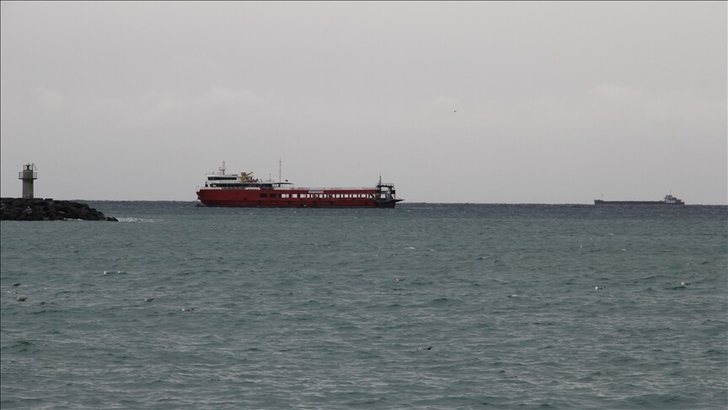
They had announced the launch of a new mission to help escort and guide merchant ships through the Strait of Hormuz, which Iran had effectively closed at the start of the war. US naval and air forces would deter any Iranian attacks during a temporary ceasefire, the commanders said.
But U.S. Central Command was surprised when Saudi officials said U.S. forces could not use the kingdom's airspace for the mission, which the Pentagon called "Project Freedom." The Americans had not consulted the Saudis.
That sparked a series of urgent and tense phone calls between Washington and Crown Prince Mohammed bin Salman, the leader of Saudi Arabia. An angry Trump spoke to him on May 4, the first day of the operation, and also over the next two days, according to US officials.
Vice President JD Vance also spoke with the prince in a separate call, as did Steve Witkoff, the special envoy for the Middle East, and Jared Kushner, Trump's son-in-law. White House national security adviser Marco Rubio spoke with his counterpart.
But the crown prince remained unmoved, fearing that the American plan could reignite the war. The Trump administration was forced to shut down Project Freedom less than 48 hours after it had begun.
"They had lost trust in the administration and felt that if they allowed the US to use their airspace, they would be hit even harder by Iran," said Hussein Ibish, a researcher at the Arab Gulf States Institute in Washington.
The White House's full-scale campaign to persuade Prince Mohammed, which had not been previously reported, and other key moments during the war, revealed that American and Saudi officials were increasingly clashing over how to handle security in the region, particularly with regard to Iran and Israel.
And increasingly, the Saudis are seeing the American government as untrustworthy and sometimes even a threat to the Gulf Arab countries.
Since the US and Israel attacked Iran on February 28, Saudi Arabia has attempted to maintain a middle ground to protect its interests. It has provided military and diplomatic support to the US and has been attacked by Iran.
But the kingdom has also stood up to the Trump administration at key moments, showing strength when it has felt threatened by American and Israeli aggression.
As Trump tries to manage diplomacy with Iran, focusing on Tehran's nuclear program, Saudi Arabia is pursuing its own initiatives, moving away from American priorities and strengthening ties with other countries. These include Pakistan and China, which helped broker a diplomatic rapprochement between the kingdom and Iran in 2023. The Saudi foreign minister is visiting China this week.
Because of this rapprochement, Saudi officials are communicating directly with Iranian counterparts about Iran's control over the strait, missile arsenal, and support for regional militias, all of which, according to the Saudi leadership, pose a greater threat than the nuclear issue.
Prince Mohammed has pursued a policy of balancing all year. He presented Trump with the dangers of war before the conflict began, then, according to people briefed on U.S. officials, urged the U.S. president to continue the war to destroy the Iranian government. (Saudi Arabia has denied this.) But as Iranian power has continued to hold, Prince Mohammed has sought a peaceful solution.
The kingdom, along with the United Arab Emirates, launched covert retaliatory strikes against Iran at one point during the war. However, Prince Mohammed was not as enthusiastic about escalation as the Emirati leader, current and former US officials said.
At the same time, the prince was more aggressive than his counterparts in Qatar and Oman, who act as diplomatic mediators between the US and Iran.
Now, as the Trump administration tries to reach agreements with Iran that go beyond the preliminary ceasefire announced on June 14, Saudi Arabia and other Gulf Arab countries are seeking an outcome that will protect them from consequences if Iran, Israel or the US resume broad hostilities.
Given Trump’s vacillations during the war, the Saudis are questioning whether the Americans would provide adequate protection or judgment in a future conflict. They became skeptical of Trump as early as 2019, when he refused to retaliate against Iran for a drone and missile attack on Saudi oil facilities.
“We start a big fight, then we get bored and leave,” Ibish said. “It’s like Lucy with the soccer ball. They feel like Charlie Brown on the ground.”
Anna Kelly, a White House spokeswoman, said Trump has a "great relationship" with Saudi Arabia.
“President Trump listens to a variety of opinions on every issue and takes seriously the contributions of our regional partners,” she said. “Ultimately, he makes all decisions based on what is best for the American people and national security.”
Aspects of the US-Saudi Arabia partnership remain strong.
Të dy qeveritë kanë muaj që po diskutojnë se si të nisin një program bërthamor civil në mbretëri, pas një marrëveshjeje të arritur vitin e kaluar, tha një zyrtar amerikan. Administrata Trump mund t’i paraqesë së shpejti një plan Kongresit, megjithëse disa ligjvënës amerikanë dhe zyrtarë izraelitë druajnë se princi i kurorës mund të përpiqet të zhvillojë armë bërthamore.
Uashingtoni dhe Riadi po diskutojnë gjithashtu ndërtimin e rrugëve tokësore që anashkalojnë Ngushticën e Hormuzit. Arabia Saudite mbetet blerësi më i madh i armëve amerikane.
Në të dy mandatet e Trump-it, Arabia Saudite ishte destinacioni i tij i parë i madh jashtë vendit. Jared Kushner mban lidhje të ngushta me princin Mohammed dhe viziton shpesh Riadin, pavarësisht se nuk ka rol qeveritar. Katër vjet më parë, Kushner siguroi një investim prej 2 miliardë dollarësh nga një fond i drejtuar nga princi i kurorës.
Megjithatë, gjatë luftës Trump e ka kritikuar publikisht princin Mohammed. Në mars, ai foli në mënyrë përçmuese, duke thënë se mendonte që princi e kishte nënvlerësuar atë dhe administratën e tij.
“Ai nuk mendonte se do të puthte b****n time”, tha Trump në një forum investimesh në Miami të organizuar nga Arabia Saudite.
Ka edhe shenja të tjera tensioni. Kur Marco Rubio, i cili është gjithashtu sekretar shteti, vizitoi Gjirin Persik javën e kaluar, ai e anashkaloi Arabinë Saudite, duke u ndalur në Bahrein, Kuvajt dhe Emiratet e Bashkuara Arabe, rival i ashpër i mbretërisë.
Në Bahrein të enjten, diplomatët e vendeve arabe të Gjirit u takuan me Rubio-n për të shprehur shqetësimet e tyre mbi sigurinë rajonale. Ministri i Jashtëm saudit, princi Faisal bin Farhan, foli gjithashtu në mënyrë individuale me sekretarin.
“Kjo aleancë u vu në provë bazuar në ngjarjet e fundit”, tha Rubio në takim, “dhe e kaloi provën, që do të thotë se niveli i bashkëpunimit, ndërveprimit dhe miqësisë mes nesh gjatë këtyre kohëve të vështira u testua dhe doli me rezultate të shkëlqyera.”
Ndërsa Arabia Saudite është e lehtësuar nga armëpushimi, asnjë nga çështjet më të vështira që dolën nga lufta nuk është zgjidhur nga marrëveshja paraprake. Për një gjë, marrëveshja pranon se Irani ka një formë kontrolli mbi ngushticën dhe i lejon atij dhe Omanit të bien dakord për një mënyrë administrimi që mund të përfshijë tarifa në të ardhmen.
“Momentin kur Irani mbylli Ngushticën e Hormuzit, e gjithë psikologjia e Gjirit ndryshoi”, tha Michael Ratney, ish-ambasador amerikan në Arabinë Saudite. “Tani Irani ka një shpatë të Damokleut që mund ta mbajë mbi ekonominë e Gjirit dhe atë globale.”
Dokumenti paraprak gjithashtu nuk përmend aspak raketat balistike të Iranit dhe mbështetjen e tij për milicitë.
Dhe mbetet e paqartë nëse administrata Trump do të arrijë ta bindë Iranin të hyjë në një marrëveshje bërthamore. Në vitin 2018, Trump u tërhoq nga marrëveshja e epokës Obama, të cilën Irani e kishte respektuar, gjë që bëri që Teherani të rrisë pasurimin e uraniumit.
Publicly, the Saudis have praised Trump's memorandums of understanding with Iran, which laid the groundwork for the ceasefire.
“I think it is very important and significant that we have an MOU that we hope will end this conflict and, more importantly, pave the way for resolving many of the remaining issues,” Prince Faisal said at a forum in Vienna on June 18. “Above all, of course, is the nuclear issue.”
But Saudi officials are taking a wait-and-see approach to the deal's results. For example, they have not committed any funds for Iran's reconstruction, as the agreement calls for, from the US and its regional partners.