Is this police force professional and capable of handling violen...
/ 2026-10-16 18:54:07Focus


Since the United States and Israel launched war against Iran in late February, the global energy sector has suffered major turmoil.
Oil prices have fluctuated from levels unseen since the start of Russia's full-scale invasion of Ukraine in 2022, to near pre-conflict levels more than four months ago.
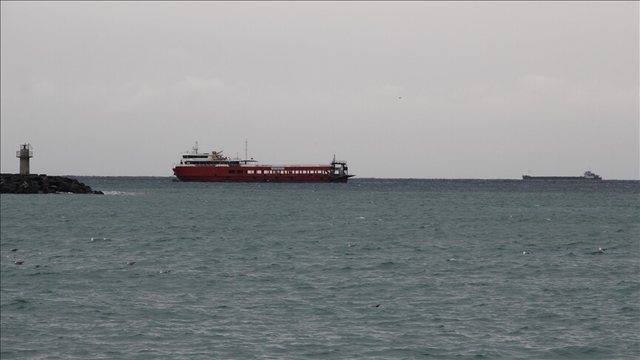
Energy suppliers have been trying to find alternative trade routes amid Iran's control of the Strait of Hormuz, through which about a fifth of global supplies of oil and liquefied natural gas (LNG) pass in peacetime.
And from Tokyo to New Delhi to London, governments have taken emergency measures to spare citizens the greatest suffering caused by rising fuel costs.
But while ongoing US-Iran negotiations to achieve a lasting peace have raised hopes for a return to stability in oil and gas markets, the war has already transformed the global energy landscape in ways that are likely to be long-term and even permanent, according to energy experts.
"The oil market will never be the same after this conflict," Adi Imsirovic, a veteran oil trader who lectures at the University of Oxford, told Al Jazeera.
"New pipelines will be urgently built. New security measures will be put in place and oil buyers from the region will look elsewhere for diversification," Imsirovic said.
The attacks on merchant ships in the Strait of Hormuz are widely expected to have a dampening effect on shipping lanes that will continue long after the war is officially over.
While Iran agreed to make its “best efforts” to arrange safe passage of ships through the strait in the memorandum of understanding (MoU) signed with the US on June 17, Tehran has since consistently claimed the right to control the critical waterway.
After reaching a post-war peak of more than 70 transits on June 24, maritime traffic fell sharply again over the weekend as attacks on two merchant ships, widely blamed on Iran, sparked fears for the safety of seafarers.
Facing ongoing threats to the waterway, energy suppliers have sought to increase land-based exports via Saudi Arabia's East-West Pipeline, the United Arab Emirates' Abu Dhabi Crude Oil Pipeline, and the Iraq-Turkey Crude Oil Pipeline – although the pipelines' combined capacity is far lower than the roughly 20 million barrels of oil that moved through the strait each day before the war.
Dan Marks, një bashkëpunëtor kërkimor në sigurinë energjetike në Institutin Mbretëror të Shërbimeve të Bashkuara në Londër, tha se pret që të ketë shqetësime “afatgjata” në lidhje me tranzitet në ngushticë.
“Ndërsa regjimi aktual iranian mbetet në fuqi dhe në kundërshtim me Shtetet e Bashkuara dhe Izraelin, gjithmonë do të ketë mundësinë që tensionet të rriten dhe ngushtica të mbyllet”, tha Marks për Al Jazeera.
“Tregu global ka provuar të jetë në gjendje ta përballojë këtë për një periudhë relativisht të gjatë, por kjo ndikon në oreksin për investime në rajon, ku prodhimi dhe eksportet mund të ndërpriten dhe turistët mund të dekurajohen.”
June Goh, një analiste e lartë e tregut të naftës me bazë në Singapor në Sparta, një firmë të dhënash për mallrat, tha se parashikon një shtytje të vazhdueshme nga prodhuesit dhe konsumatorët e energjisë për të zvogëluar varësinë e tyre nga ngushtica.
“Për prodhuesit, kjo do të vinte në formën e më shumë rrugëve të evakuimit të tubacioneve nga Lindja e Mesme,” tha Goh për Al Jazeera. “Për blerësit, kjo do të thoshte mbajtja e një furnizimi të shëndetshëm të rezervave strategjike të naftës.”
Një tjetër trashëgimi e parashikuar e luftës është një përshpejtim në përpjekjet e vendeve për të kaluar nga lëndët djegëse fosile në burime të rinovueshme, të tilla si era, dielli dhe hidroenergjia.
Në prill, Simon Stiell, zyrtari më i lartë i klimës i Kombeve të Bashkuara, i tha një takimi të zyrtarëve qeveritarë në Agjencinë Ndërkombëtare të Energjisë se konflikti tashmë po “nxiste mbingarkesë në bumin global të burimeve të rinovueshme”.
Kapaciteti global i energjisë së rinovueshme arriti një nivel rekord në vitin 2025, me projektet e lëndëve djegëse jo-fosile që përbënin afërsisht 86 për qind të kapacitetit të shtuar të energjisë atë vit, sipas Agjencisë Ndërkombëtare të Energjisë së Rinovueshme ndërqeveritare.
“Pas kësaj lufte, pak njerëz që kërkojnë një makinë të re do të zgjedhin një me motor me djegie të brendshme”, tha Imsirovic i Universitetit të Oksfordit.
“Pse do ta bënin këtë, duke pasur parasysh alternativat e automjeteve elektrike?” shtoi ai, duke iu referuar automjeteve elektrike.
“Dhe kjo do t’i japë fund monopolit të rëndësishëm të naftës në transportin rrugor”, tha Imsirovic.
“Ajo që mbetet është monopoli në transportin ajror dhe petrokimikatet, por ky është një vëllim relativisht i vogël i kërkesës së përgjithshme.”
Ndërsa imperativat e sigurisë energjetike ka të ngjarë të çojnë shumë qeveri drejt grumbullimit të lëndëve djegëse fosile në afat të shkurtër, argumenti ekonomik afatmesëm dhe afatgjatë për burimet e rinovueshme do të forcohet ndërsa rreziku gjeopolitik fryn “koston e vërtetë” të varësisë nga lëndët djegëse fosile, tha Mohamed Elheddad, një lektor i asociuar në ekonomi në Universitetin e Lancashire në Mbretërinë e Bashkuar.
“Konflikti në fund të fundit mund të sjellë vendime investimi që ishin tashmë në lëvizje,” tha Elheddad për Al Jazeera.
China, more than any other country, will benefit from an accelerated global shift away from fossil fuels.
The world's second-largest economy is by far the leading global exporter of renewable energy-related components, producing more than 80 percent of the world's wind turbines, solar panels and energy storage batteries, according to research and consulting firm Wood Mackenzie.
The war has provided a “practical lesson in the value of a much more diversified energy mix,” said Maurice Obstfeld, a senior fellow at the Peterson Institute for International Economics and a former chief economist at the International Monetary Fund.
"China will benefit, given its dominance in providing renewable energy infrastructure products," Obstfeld told Al Jazeera.
Other countries such as the US and Qatar may also be able to consolidate their positions as major energy suppliers after the war, said Elheddad, a lecturer at the University of Lancashire.
"From an energy economy perspective, the beneficiaries will be those with exportable surpluses and guarantees of stable supply," Elheddad said.
“The US strengthens its position as a swing LNG supplier. Qatar consolidates its role as a reliable long-term contract partner.”