Is this police force professional and capable of handling violen...
/ 2026-10-16 18:54:07Focus



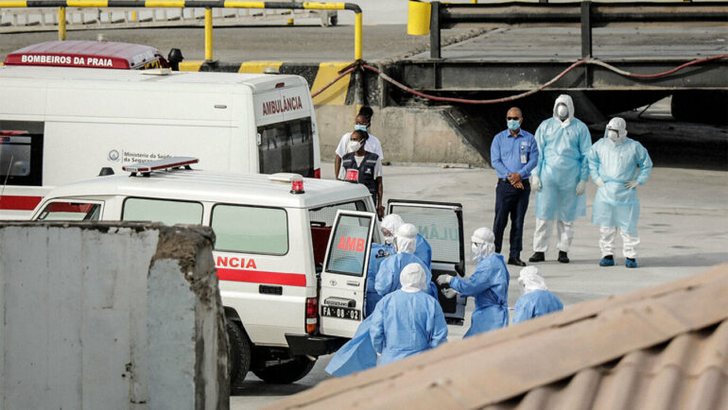
A number of suspected hantavirus cases on a cruise ship in the Atlantic have caused international concern, following reports of at least three deaths and several others infected.
The situation has sparked debate and confusion over the real danger of the virus and the possibility of its spread.
According to analysis by pathologist and researcher George Pappas , current data does not support a pandemic scenario, noting that hantaviruses generally do not transmit easily from person to person.
What is known about the virus?
Hantaviruses are a group of viruses found mainly in rodents, which carry them without becoming ill and spread them through their secretions.
Infection in humans usually occurs through contact with contaminated environments, contaminated food, or exposure to rodents.
Depending on the region, the virus can cause severe kidney or respiratory damage, with mortality rates ranging from 10% to over 40% in some American variants.
According to information cited by the World Health Organization (WHO), the cruise ship with 88 passengers and 49 crew members had set sail from Argentina.
The first severe case appeared soon after departure, suggesting earlier infection.
Several other cases have since been reported, mainly in close contact with the first patient, raising suspicions of a variant that could be transmitted between people, such as the Andean virus, known for rare cases of direct spread between individuals.
Risk and investigations
Experts emphasize that the most likely scenario is an isolated explosion inside the ship and not a global threat.
However, investigations are ongoing and all contacts are being monitored for an incubation period of up to several weeks.
According to specialists, there is no specific treatment or vaccine for hantavirus, while prevention relies mainly on avoiding contact with rodents and contaminated areas.
Health authorities are closely monitoring the situation, while the cases remain isolated on the ship and under strict epidemiological surveillance.