Is this police force professional and capable of handling violen...
/ 2026-10-16 18:54:07Focus


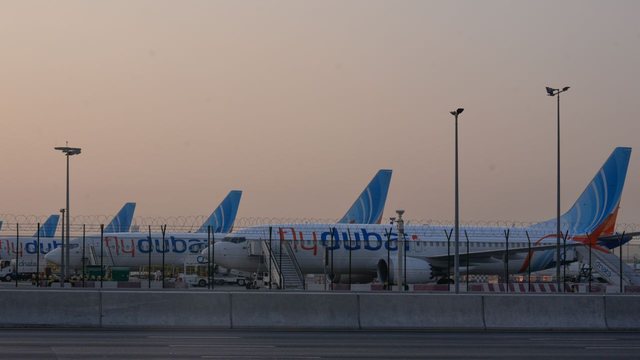
The global aviation industry is experiencing its strongest shock since the COVID-19 pandemic, as the escalation of conflict in the Middle East has disrupted flights, significantly reduced the value of airlines and raised concerns about possible fuel shortages, reports the Financial Times.
Airlines are warning that passengers in many destinations, including beyond the Gulf region, will face significant increases in ticket prices in the coming months. The main reason is the drastic increase in the price of fuel, which accounts for about a third of operating costs and has doubled since the launch of attacks by the US and Israel on Iran.
Industry leaders point out that, despite hedging mechanisms against oil price fluctuations, the recent increase is too rapid to cope with without transferring costs to consumers.
Billions in losses and pressure from investors
According to estimates reported by the Financial Times, the world's 20 largest airlines have lost about $53 billion in market capitalization since the conflict began. At the same time, investors have increased bets on further declines in shares, reflecting the high uncertainty in the sector.
Although the industry had entered a period of strong recovery after the pandemic, with several companies recording record profits, executives now fear that rising prices could hit demand in the longer term.
Lufthansa CEO Carsten Spohr has warned that rising costs cannot be absorbed by companies.
"The average profit is around 10 euros per passenger, there is no way to cover these additional costs."
The biggest influence in the Middle East
The crisis is most pronounced in the Gulf region, where major companies such as Emirates, Etihad and Qatar Airways have been forced to significantly reduce flights due to the closure of airspace and the decline in tourism.
According to industry leaders, the situation is comparable to the aftermath of the September 11 attacks, when demand for intercontinental flights fell sharply.
Airlines are also drawing up contingency plans for fuel shortage scenarios. Meanwhile, the impact has also been felt in freight transport, as the shift of cargo from sea to air transport has overloaded some airports.
Experts warn that companies without state support could face serious financial difficulties if the crisis drags on. However, there is cautious optimism that markets could recover quickly in the event of a ceasefire.
In conclusion, the airline industry is at a critical juncture, where the combination of rising costs, geopolitical uncertainty and pressure on demand is testing its resilience – on a scale not seen since the global lockdown of 2020.