Is this police force professional and capable of handling violen...
/ 2026-10-16 18:54:07Focus


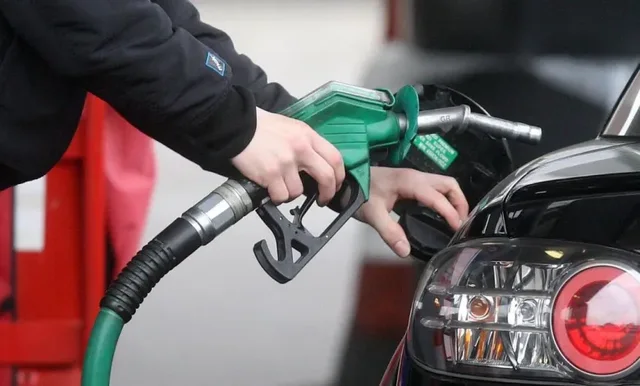
Countries in the region are reacting to rising oil prices, caused by the conflict in Iran and instability in the global energy market, through various fiscal and administrative measures.
The conflict over the Strait of Hormuz has removed about 7-10 million barrels of oil per day from the global market, or 7-10% of total global demand.
The price of Brent oil reached $100-119 per barrel, while on March 20 it fell to around $108 per barrel.
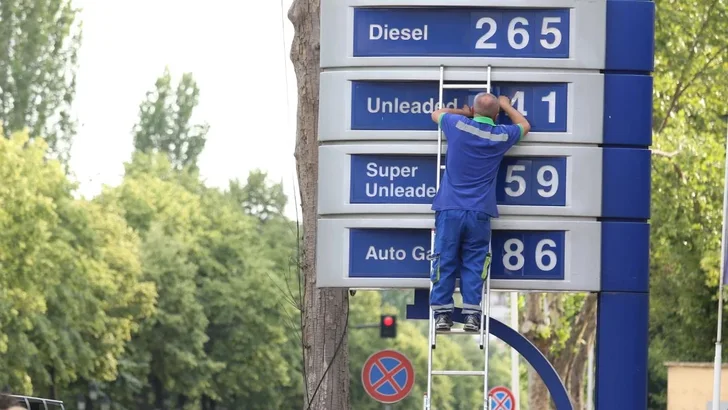
In Bosnia and Herzegovina, the government has proposed temporarily lifting or reducing excise taxes on fuel to protect citizens and distributors from inflationary pressure. Oil prices have exceeded 3 BAM per liter, up from 2.55 BAM at the beginning of March.
In Kosovo, the government intervened after the price of fuel increased by over 20 cents, imposing limited profit margins for producers and importers.
The current price of oil exceeds 1.50 euros per liter, while the Minister of Industry, Mimoza Kusari-Lila, predicts stabilization in the coming months.
In Montenegro, the current price is around USD 1.50 per liter, and the government is considering reducing excise taxes to mitigate the increase.
In North Macedonia, the government is monitoring the situation and considering reducing VAT from 18% to 10% to protect living standards. The current retail price is 85.5 denars per liter (1.6 USD).
In Serbia, the current price is 208 RSD (2.04 USD) per liter, with a ban on exports of oil and its products until April 2.
President Aleksandar Vučić announced a reduction in excise duties by more than 20%, the release of 40,000 tons of oil from strategic reserves, and measures for the agricultural sector, capping the price for farmers at 181 dinars per liter.
These measures aim to stabilize the domestic fuel market and protect the economies of the Western Balkan countries from the consequences of global oil market instability.