Is this police force professional and capable of handling violen...
/ 2026-10-16 18:54:07Focus


1-
If you judge with simple logic and influenced by Enlightenment philosophy, sooner or later you come to the concept of linear progress. According to it, democratic institutions and the liberal order, shaped and consolidated mainly after World War II, had to undergo a continuous process of self-correction and improvement, which would bring about an increasingly rational world.
The dynamics of recent decades are demonstrating a deep gap between the Enlightenment approach and geopolitical reality. Instead of institutional consolidation, the global scene is facing a clear tendency of regression: degradation of democratic norms, growth of authoritarian structures and new manifestations of exclusionary nationalism or cultural racism. Institutions that once guaranteed balance, today often find themselves paralyzed or bypassed by factors of pure power.
This backward situation is compounded by the fact that the leaders of the most influential countries in geopolitical developments are elderly, all in their 70s and beyond. On the one hand, institutions and treaties are being ignored and authoritarianism is growing, on the other hand, those who make important, often delicate decisions about the fate of the world are of retirement age.
2-
Today's world, with an average age hovering around 30, is largely governed by the elderly. To avoid getting lost in the maze of global figures, we only need to look at the five countries that weigh heavily on the fate of the globe: the United States, China, Russia, India, and Brazil. If we examine them in turn, we see that the rule of the elderly knows no distinction between political systems or geographical locations.
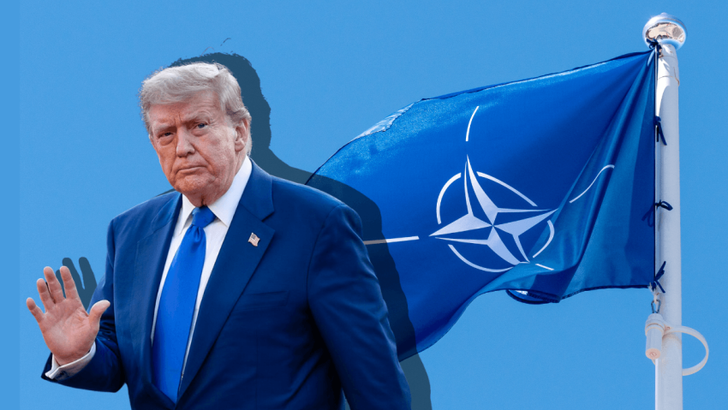
In the United States, the return of Donald Trump, (80 years old) proves that even the largest Western democracy is surrendering to a personalized leadership style, where the will of the leader often weighs more than institutional filters. On the other hand, in China and Russia, Xi Jinping (73 years old) and Vladimir Putin, (72 years old) have armored an absolute control over the executive, projecting a power that is associated only with their person, leaving no room for institutions, not even for successors.
This spirit does not spare the rising giant of South Asia, India. Under the leadership of Narendra Modi (75 years old), this country is rapidly sliding towards an electoral authoritarianism, where the popular vote is used to feed a strong cultural and religious nationalism.
In Brazil too, the return to power of Luiz Inacio Lula (80 years old) shows that this trend is transversal; it affects both the right and the left. Although he governs within a constitutional framework, Lula embodies a hyper-personalization of power, where the entire political alternative of a giant country depends on the charisma and biological destiny of a single man, leaving no room for institutions that generate new leaders.
When you calculate the weight of these five countries, the statistical result is both surprising and frightening: they represent about 45% of the global population. Practically, almost half of humanity today is governed by leaders who have passed the threshold of 70, an age when their descendants almost everywhere in the world enjoy retirement. The problem becomes much more acute when you remember that this group of countries controls almost half (about 48%) of global economic production and consumption.
3-
The elderly leaders we just mentioned not only have the fate of the economy or the politics of the day in their hands, but also have a primary role in the most extreme strategic decision-making: the use of nuclear weapons.
In a world where long-standing arms control treaties are being broken or ignored, the threat of mass destruction is no longer protected by international institutions or agreements, but increasingly depends on the will of one person. The numbers here are alarming. The United States and Russia together control approximately 89 to 90 percent of the world's nuclear arsenal. If China is added to this figure, this narrow group of leaders leads the states that possess over 95 percent of the world's nuclear weapons.
When institutions weaken and international rules collapse, the burden of decision shifts entirely to the individual. In this way, the security and survival of the world no longer depends on the stability and predictability of systems, but on the individual psychological stability of a handful of elderly leaders.
The current crisis with Iran serves as a textbook illustration of what happens when existential decisions are confined within the walls of an office, leaving the field open to an individual. The decision to initiate the conflict and eliminate the supreme leader was made by President Trump in secret, after consulting only a handful of executive branch officials and completely bypassing the Senate. Fueled by the euphoria of his previous success with Maduro in Venezuela and prompted by Netanyahu’s intelligence, without consulting US intelligence agencies, Trump acted on the emotional assumption that the Iranian regime would collapse within days.
Kjo vendimmarrje e gabuar mban sot peng botën: çmimet e naftës kanë fluturuar nga 75 para fillimit të krizës në mbi 100 dollarë për fuçi, ndërkohë që kërcënimi për bllokimin e ngushticës së Hormuzit dhe rrugëve detare, rrezikon të paralizojë furnizimin global. Kemi të bëjmë me një provë të freskët se si një vendim impulsiv ,i marrë kryesisht nga një lider i vetëm, mund të shkaktojë një krizë me përmasa planetare.
4-
Zhvendosja e peshës së vendimeve nga institucionet te njeriu merr një dritë edhe më dramatike nëse llogarisim kufizimet kognitive dhe psikologjike që natyrshëm sjell moshimi. Kur frenat e botës gjenden në duart e njerëzve që po konsumojnë kapitullin e fundit të jetës, stili i qeverisjes transformohet nën presionin e një ore biologjike që punon më shpejt se ajo e historisë.
Në radhë të parë, shfaqet prirja që mund ta quajmë “sindroma e trashëgimisë finale” ose nxitimi për të lënë gjurmë. Një lider i ri në moshë mund të operojë me plane afatgjata, duke llogaritur pasojat e vendimeve të tij në dy apo tri dekadat e ardhshme. Një udhëheqës në të 70-at apo të 80-at, i ndodhur para një horizonti kohor biologjikisht të kufizuar, priret të rrëmbehet nga dëshira për të përmbushur “misionin e tij historik” brenda pak viteve që i mbeten. Ky nxitim për të shkruar emrin në librat e historisë rrit në mënyrë të frikshme gatishmërinë për të ndërmarrë rreziqe të larta strategjike, përfshirë këtu konflikte të armatosura apo thyerje radikale të ekuilibrave globalë.
Veç kësaj, pleqëria sjell me vete një lloj ngurtësimi të mënyrës së mendimit. Udhëheqësit e sotëm të moshuar janë formësuar intelektualisht dhe politikisht gjatë shekullit të kaluar, në kohën e Luftës së Ftohtë dhe të ndarjeve të prera ideologjike. Sot, ata tentojnë të projektojnë po ato modele të vjetra mendore mbi një realitet modern që funksionon me të tjera kode. Bota e sotme karakterizohet nga një kompleksitet i jashtëzakonshëm teknologjik, nga inteligjenca artificiale, rrjetet digjitale dhe luftërat kibernetike, dukuri që kërkojnë fleksibilitet kognitiv dhe përshtatje të shpejtë, dy cilësi që me kalimin e moshës koha ua zvetënon edhe mendjeve më të ndritura.
Ky problem ndërlikohet edhe nga dinamika e brendshme që krijohet rreth një pushteti të tillë. Me kalimin e viteve, rrethi i ngushtë vendimmarrës rreth një udhëheqësi të moshuar pëson një lloj erozioni. Filtrat kritikë dhe mekanizmat e kontrollit dhe balancës brenda pallateve të pushtetit fillojnë e bien. Njerëzit që e rrethojnë liderin shpesh kthehen në një grup konformist, ku dëgjohet vetëm jehona e dëshirave të tij. Ky izolim krijon një rrezik të dyfishtë: jo vetëm që udhëheqësi e humb kontaktin e vërtetë me realitetin e kohës, por asnjë prej vartësve nuk guxon më të vendosë në pikëpyetje vendimet e tij, qofshin këto edhe me pasoja katastrofike në rrafsh global.
5-
Dalja në krye e udhëheqësve shtatëdhjetë apo tetëdhjetëvjeçarë në shtetet më të fuqishme të globit nuk mund të shpjegohet si një koinçidencë e thjeshtë biologjike apo një lojë e fatit historik. Është prirje që kushtëzohet nga disa faktorë që lidhen me psikologjinë sociale, demografinë dhe strukturën e sotme të pushtetit.
Faktori i parë ndikues ka të bëjë me përdorimin e nostalgjisë si armë politike. Në kohë krizash të shpeshta, kur e ardhmja perceptohet si e frikshme apo e pasigurt (qoftë për shkak të zhvillimit marramendës të inteligjencës artificiale, ndryshimeve klimatike apo thjesht humbjes së vendeve të punës), shoqëritë tentojnë të mos shikojnë përpara, por të kthehen pas. Në këtë kontekst, liderët e moshuar përfaqësojnë, si biologjikisht ashtu edhe politikisht, një lloj “ankore” stabiliteti. Ata personifikojnë atë që në psikologjinë kolektive shihet si idealizim i së shkuarës.
Slloganet politike si ai për rikthimin e madhështisë së Amerikës, apo thirrjet e Putinit dhe Xi Jinpingut për ringjalljen e lavdisë së perandorive të shkuara, shërbejnë si ilaç qetësues për njerëzit e trembur nga zhvillimet aktuale. Imazhet e të kaluarës së idealizuar gjithnjë kanë shërbyer për të ngopur njerëzit me lugë bosh. Mosha e shtyrë e liderëve është një faktor ndihmës për t’i bërë lavditë e shkuara më bindëse.
Dalja në krye e shtatëdhjetë e kusur vjeçarëve mbështetet fort edhe te demografia e votuesve. Pjesa më e madhe e vendeve që përcaktojnë fatet e botës po përballen me një plakje të dukshme të popullsisë. Në të njëjtën kohë, statistikat e pjesëmarrjes në zgjedhje tregojnë se votuesit më të disiplinuar, ata që shkojnë rregullisht te kutitë e votimit, janë mosha e mesme dhe pleqtë.
Kjo masë e madhe elektorale natyrshëm priret të zgjedhë udhëheqës që u ngjajnë, që ndajnë të njëjtat frikëra, të njëjtat kode kulturore dhe të njëjtën gjuhë. Një lider shtatëdhjetë e pesë vjeçar arrin të flasë në të njëjtën valë emocionale me një elektorat që shpesh ndihet i huaj ose i lënë pas dore në botën dinamike të të rinjve.
Së fundi, ekziston një faktor i ftohtë pragmatik: përqendrimi i kapitalit dhe i pushtetit mediatik. Për të arritur dhe për të qëndruar në majat e politikës së madhe sot, kërkohen burime financiare kolosale, rrjete influence të ndërtuara me durim përgjatë dekadave dhe një kontroll i fortë mbi makineritë partiake.
Ky lloj pushteti nuk mund të ngrihet brenda pak viteve. Sistemi i sotëm politik dhe ekonomik favorizon pashmangshmërisht ata aktorë që kanë qenë pjesë e lojës për dyzet apo pesëdhjetë vjet. Për brezin e ri, thyerja e këtyre strukturave të mbyllura oligarkike dhe partiake është pothuajse e pamundur, duke bërë që frenat e botës të mbeten po në të njëjtat duar.
It seems to be a forced and irrational reaction of a humanity stunned by the speed of change. When the world moves too fast, people cling to older helmsmen who, like the La Mancha soliloquy, promise to stop time or turn it back. This is the rational absurdity of our time.