Protests highlight trauma crisis, operating rooms under reconstr...
/ 2026-10-15 18:35:16Focus


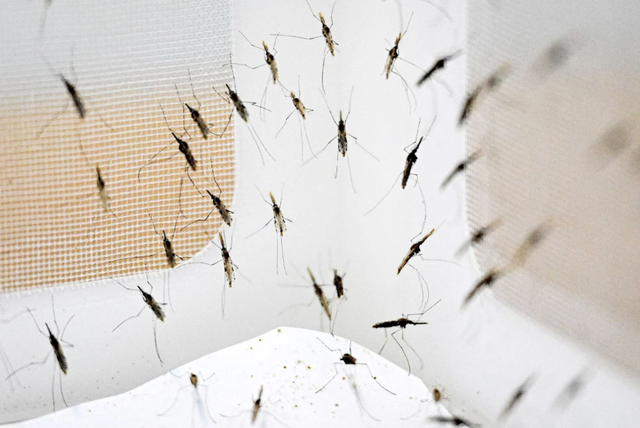
A new study suggests that mosquitoes, one of the oldest insects on Earth, could help scientists better understand when and where early humans spread around the world.
Mosquitoes have been around much longer than humans and didn't originally feed on their blood. But according to a new genetic analysis, some species of mosquitoes in Southeast Asia may have evolved to prefer human blood as a result of the presence of early human ancestors in the region.
The study, published in the journal Scientific Reports, suggests that this adaptation may have occurred between 2.9 million and 1.6 million years ago. This period coincides with the time when the ancient human species Homo erectus may have been present in the region in significant numbers.
According to the study's author, Catherine Walton, a lecturer at the University of Manchester, the change in mosquito behavior could be an indirect indicator of the presence of early humans.
"Human history is very difficult to reconstruct from fossils alone. That's why we have to use different sources of information," Walton said.
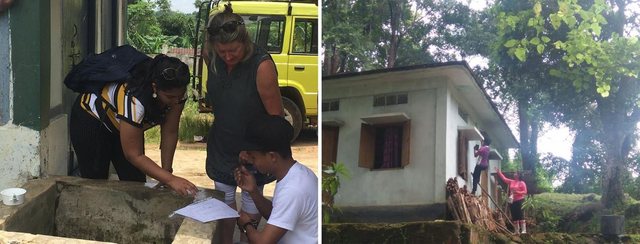
Scientists analyzed the DNA of 38 mosquitoes from 11 different species of the Anopheles leucosphyrus group, collected during fieldwork in Southeast Asia from 1992 to 2020. Some of these mosquitoes are also carriers of malaria, CNN reported.
The results showed that these mosquitoes originally fed on non-human primates, such as monkeys. However, at some point in their evolutionary history, some of them developed a preference for human blood.
This change occurred in a region called Sundaland, which includes the islands of Java, Sumatra, Borneo and the Malaysian peninsula. In the past, this region was covered in tropical forests for millions of years, an ideal habitat for mosquitoes.
According to researchers, around the last 2 million years, the climate in the region began to change, becoming cooler and drier. These changes created seasonal forests and savannas, allowing early humans to move more easily across the region.
The increasing presence of humans may have prompted some mosquitoes to adapt and begin feeding on their blood.
Scientists say that studying insects or parasites that depend on humans can help reconstruct our evolutionary history.
According to researcher David L. Reed, the DNA of these organisms contains traces of human migrations.
In the future, they plan to analyze other mosquito genes – particularly those related to smell and identification – to better understand how these insects evolved to find humans.
Experts believe this innovative approach could help fill in gaps in human history, especially in regions where fossils are rare or have been destroyed by tropical climates.