Protests highlight trauma crisis, operating rooms under reconstr...
/ 2026-10-15 18:35:16Focus


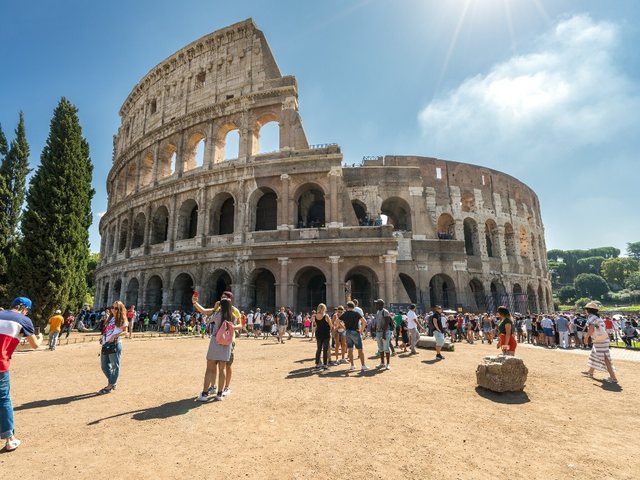
We all pronounce the names of European cities mechanically, without thinking about what they really mean. However, behind these short names lie centuries of history, traces of the peoples who lived there before us, but also very specific descriptions of landscapes, rivers, fortresses and ordinary human settlements. The map of Europe, seen through the names of cities, is actually a large linguistic and cultural map of the continent.
Stockholm , the capital of Sweden, owes its name to geography and defense. It was built on a series of small islands, and the name comes from the words “stock,” meaning a log, and “holm,” meaning an island. It is thought that the logs were used as barriers against enemy ships, so the name literally describes the medieval city, an island protected by wood.
London, although one of the most famous cities in the world, still carries a certain amount of mystery in its name. Most linguists agree that the name is of Celtic origin and refers to the river or marshland along the Thames. The Romans simply Latinized the existing name to Londinium, but its true meaning has never been fully elucidated.
Paris, a symbol of romance and culture, was named not for love or art, but for the Celtic tribe Parisii, who lived along the banks of the Seine. The city has outgrown its tribal origins over time, but the name remains as a reminder of its earliest inhabitants.
Berlin is another city whose name is often misinterpreted. Although the bear is on the city's coat of arms, the name has nothing to do with that animal. It comes from old Slavic words meaning swampy and wet land. This is no coincidence, because Berlin was founded in an area rich in water and marshes, which later had a great influence on its development.
Rome is perhaps the most famous example of the fusion of myth and history. According to legend, the city was named after Romulus, who, after a conflict with his brother Remus, founded the city on the banks of the Tiber. Historically, the name is probably older than the legend itself, but Rome has shown over the centuries that myths sometimes have more power than facts.
Vienna, or Wien, bears traces of its Celtic heritage. Its name is associated with the Wien River, whose name means white or bright water. Like many European cities, Vienna grew along the water, and the name remains a quiet reminder of its natural surroundings.
Madrid, today the political and cultural center of Spain, owes its name to the Arab period. The name comes from a word meaning a spring or stream of water, which was essential to life in the arid region. The city grew around an underground water system, and the name clearly reflects this.
Behind every European city lies a similar story. Some names speak of rivers and islands, some of tribes and founders, and some of swamps, fortresses and water sources. What they have in common is the fact that they arose from the real needs and environments of the people who lived there.
City names are not just labels. They are concise records of Europe's past, language, and identity.