Is this police force professional and capable of handling violen...
/ 2026-10-16 18:54:07Focus


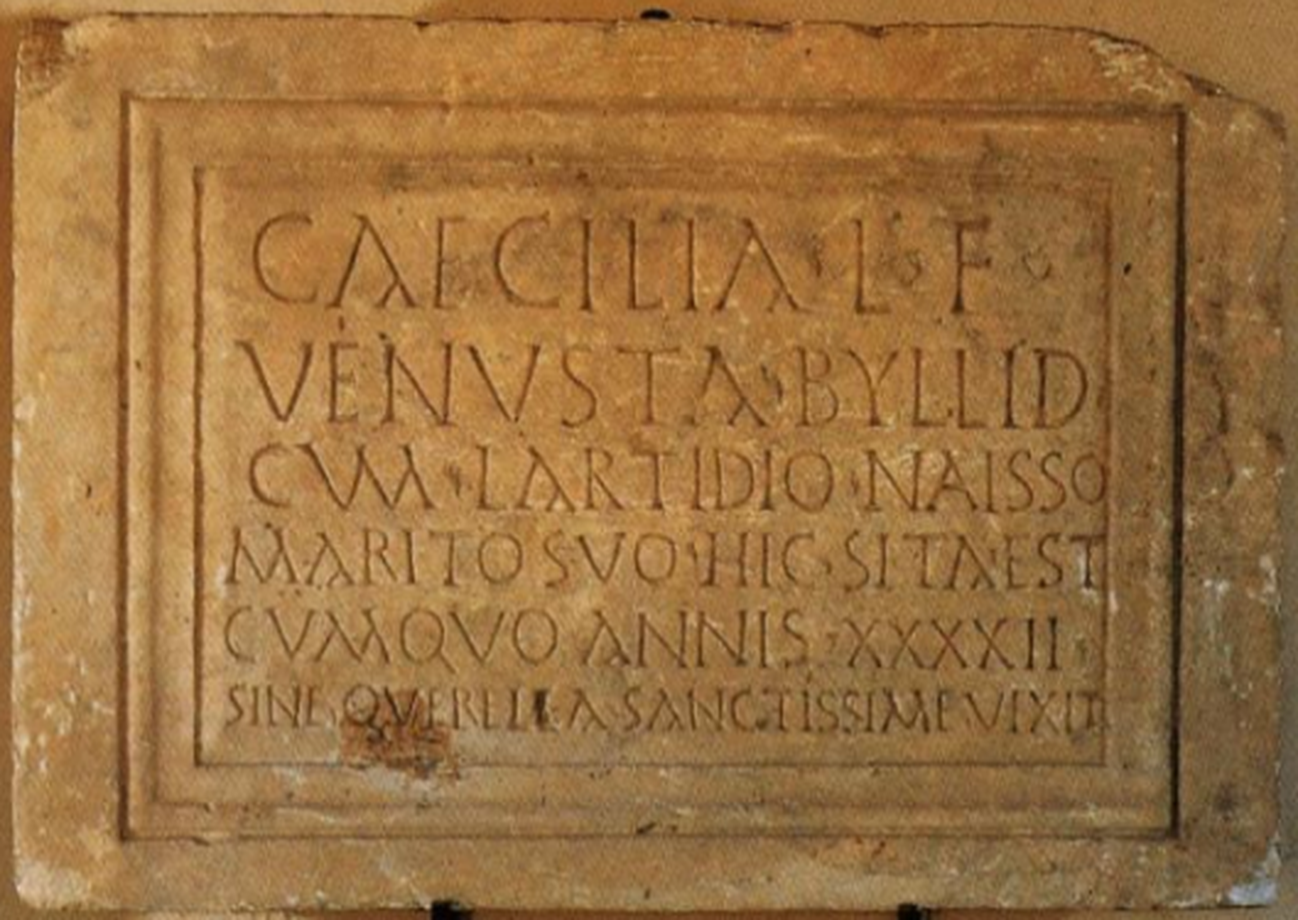
In the book “Albanien, Schätze aus dem Land der Skipetaren”1 we also find the above inscription, which was found in the ancient city of Bylis in Epirus and is today located in the Museum of the neighboring city of Apollonia, the construction of which in this book is determined to be in the 2nd century AD.

About this inscription, Albanian archaeologist Dr. Neritan Ceka writes: “In the southern Illyrian provinces, Latin inscriptions were found only in limited numbers and mainly in the Roman colonies and surrounding areas. This includes the tombstone of Caecilia Venusta. It is a simple slab, but different from the stelae of the western Roman provinces. In this epitaph, the woman and the man describe their origins. Although they have Roman names, the woman comes from the Illyrian city of Bylis, which was transformed into a colony, and the man comes from the Dardanian city of Naissus (Nish) in central Illyria.
The inscription on the tombstone emphasizes that Venusta, as a virtuous woman, lived lustfully with her husband for forty-two years without ever quarreling with him.”
Reading Mr. Ceka's writings, and assuming that what he wrote was also written in the text of the inscription, I also tried to read it. Having no positive results, and considering the Latin that I was taught in high school several decades ago to be insufficient, asking for help from a friend of mine, a Latin teacher, I received the answer that the language in which this inscription was written is not Latin.
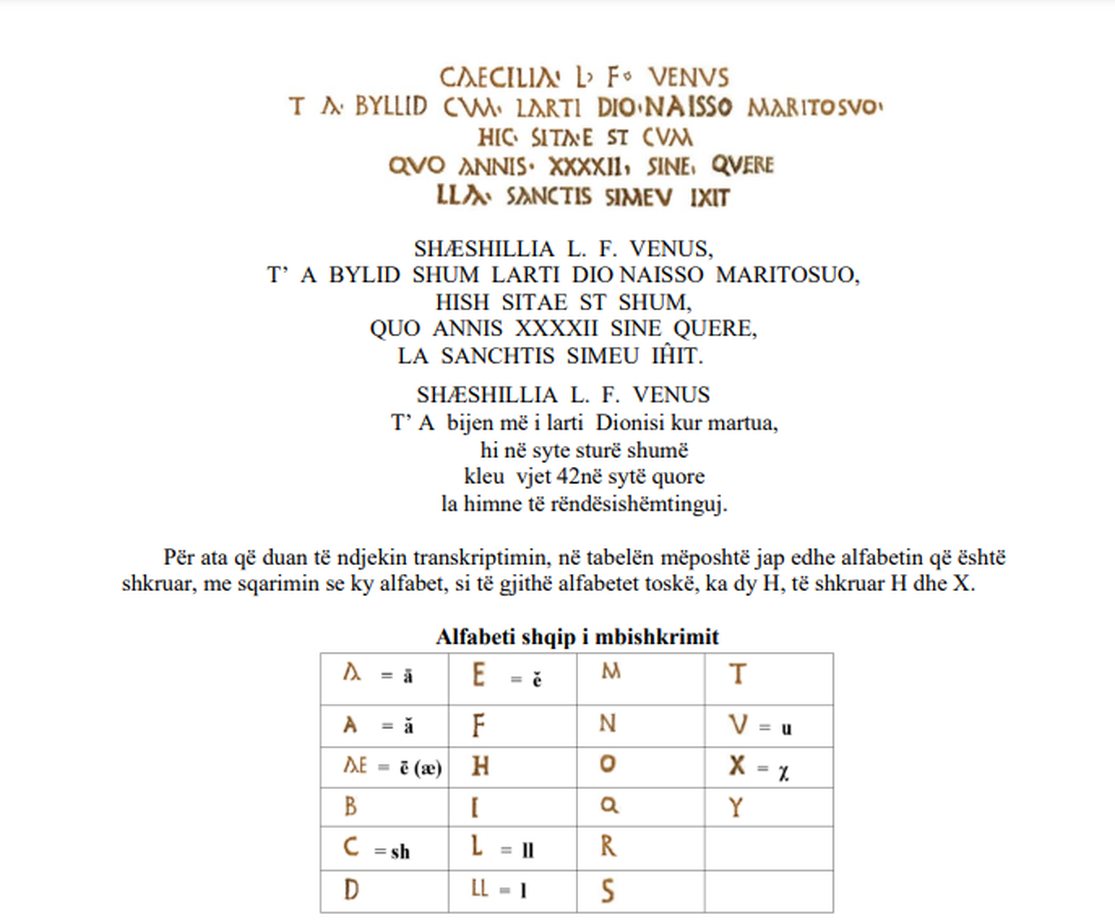
Assuming that the language in which this inscription was written must be the language, or one of the languages, spoken in the place where it was made, in other words the Albanian language, I have managed to read it and below I repeat its text clearly, written and with word divisions.

Before I proceed to comment on the content of the text, for the word SCUM, which in this text is written in two different ways, namely written and , I want to clarify that the word is written in this way, namely with the letters V (U) and M joined, because it is a word with one syllable, in comparison to the word that is a disyllabic, because the letter M is itself a syllable, or rather with a voiceless or mute E, which in today's Albanian alphabet is written Ë, for the writing of which most ancient alphabets did not have a symbol or letter. The correct transliteration of these words in the current Albanian alphabet is SHUM and SHUMË.
Leaving without comment the writings of the Albanian archaeologist Dr. Neritan Ceka on the content of her text, I will simply say that it is not a funeral inscription of Caecilia Venusta, as she characterizes it, but the inscription for , which as a goddess in the Romans we find with the name , which is considered equivalent to the Greek Aphrodite.
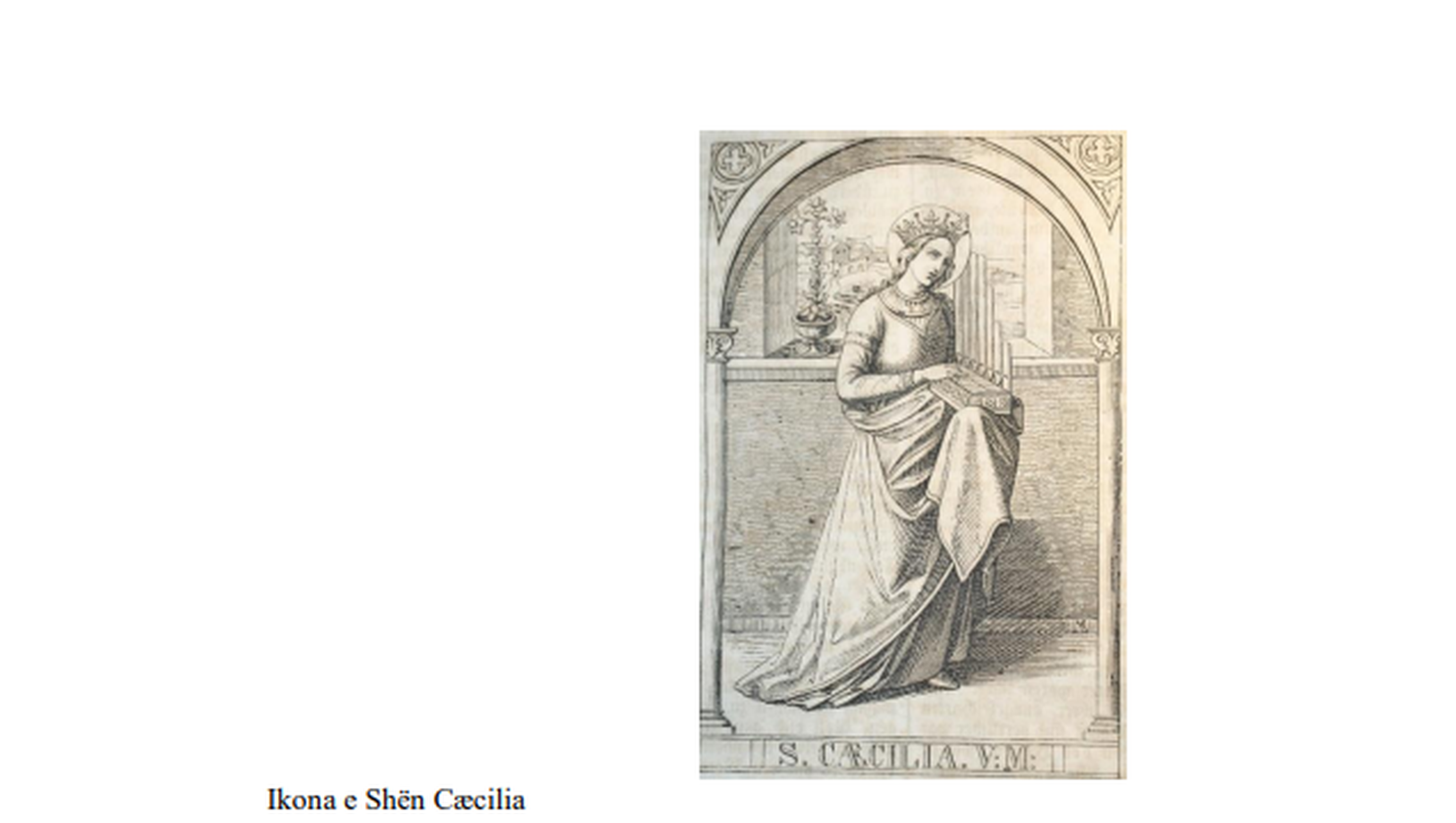
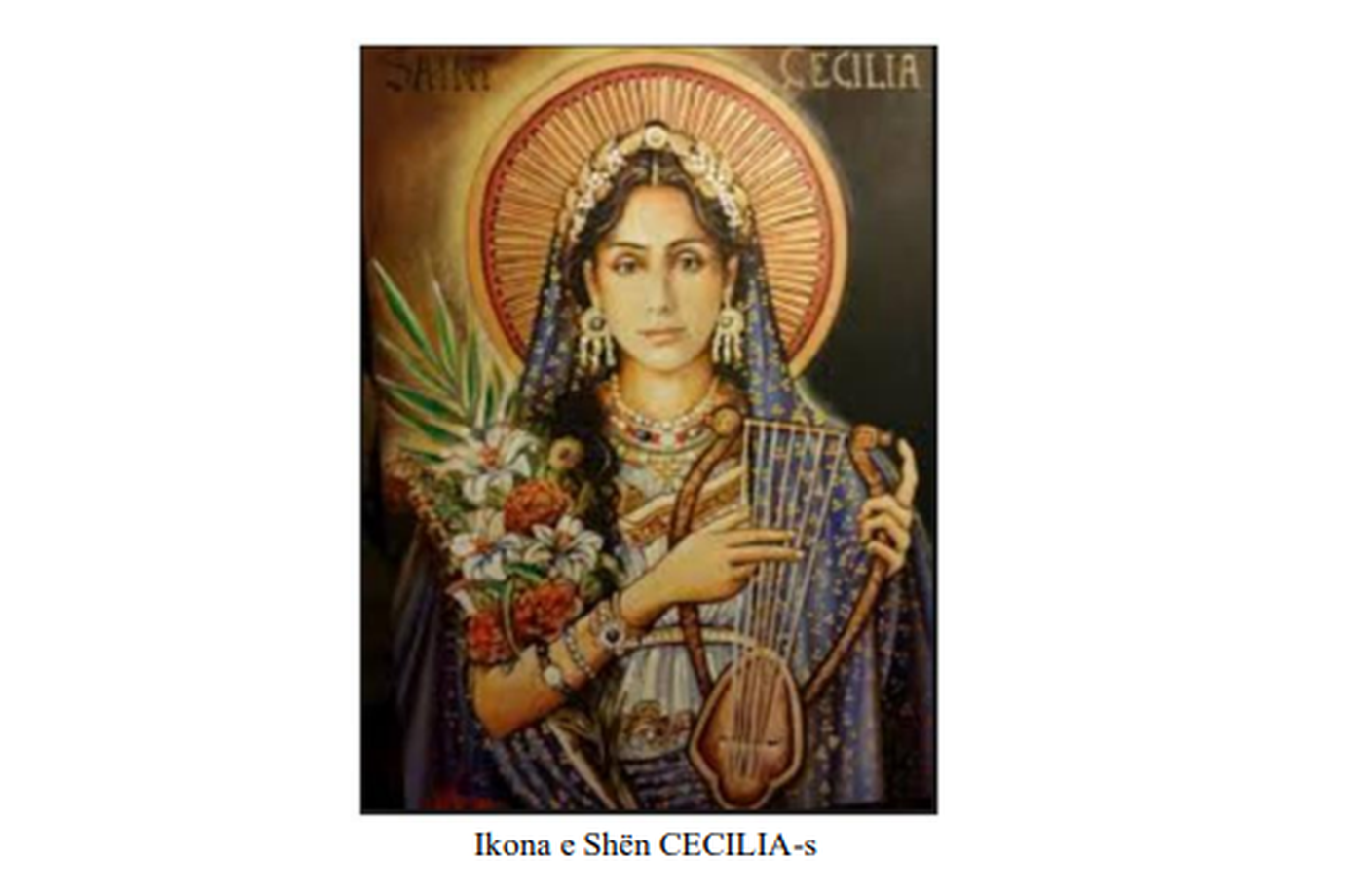
Ky emër që, duke ditur se në shqip do të thotë (SHE SHILLIA), mund të themi se në greqisht në përkthim quhet Manto (Orakull). Emër me të cilin në shkrimet e lashta greke dhe latine nuk gjejmë asnjë perëndeshë, apo heroinë, dhe emër me të cilin kryesisht në Kishën Katolike gjejmë një shenjtore, e madje të paraqitur, si në ikonën më poshtë, me kurorë mbretërore mbi kokë, pra si mbretëreshë, dhe me një instrument muzikor në duart e saj.

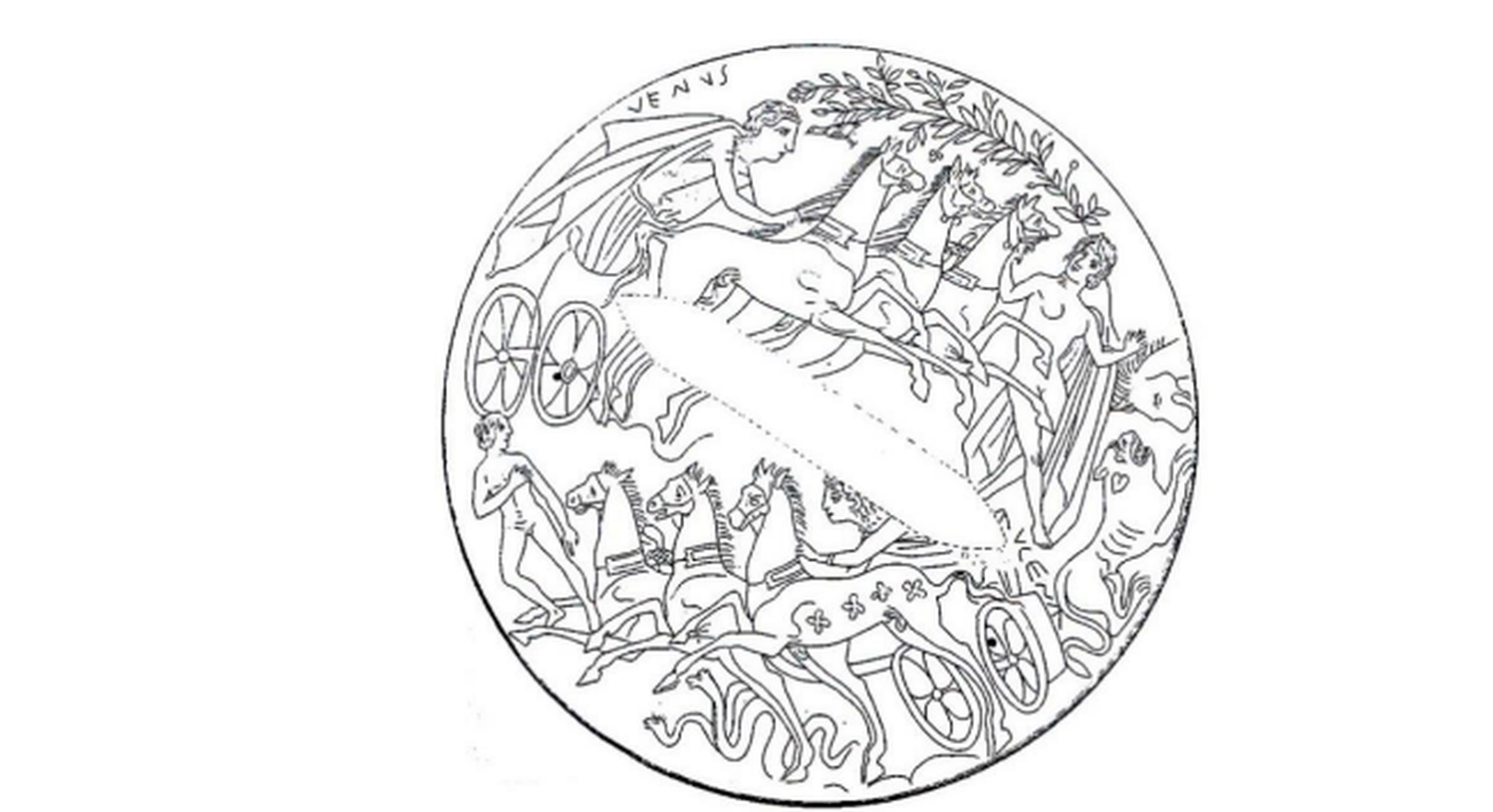
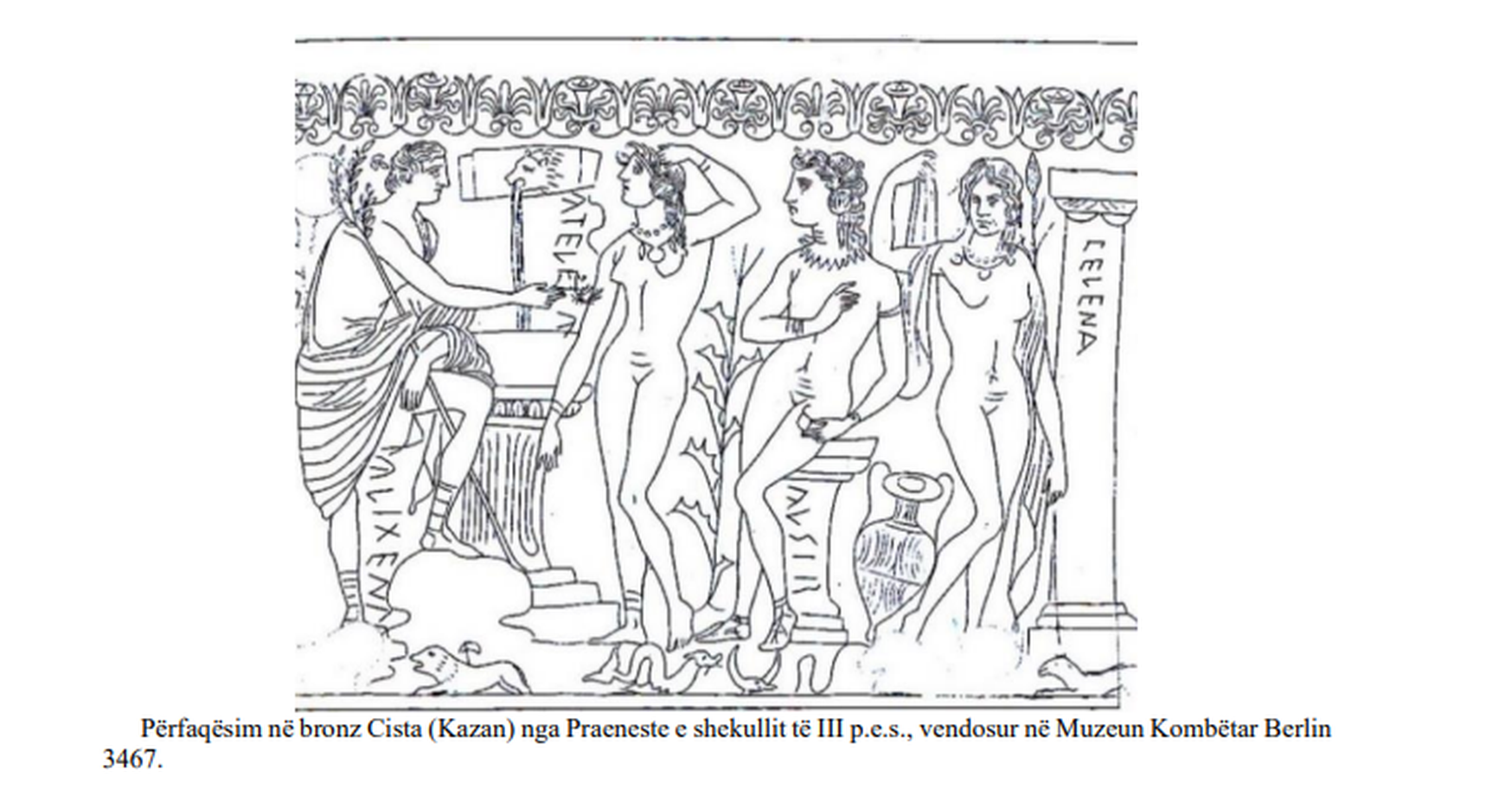
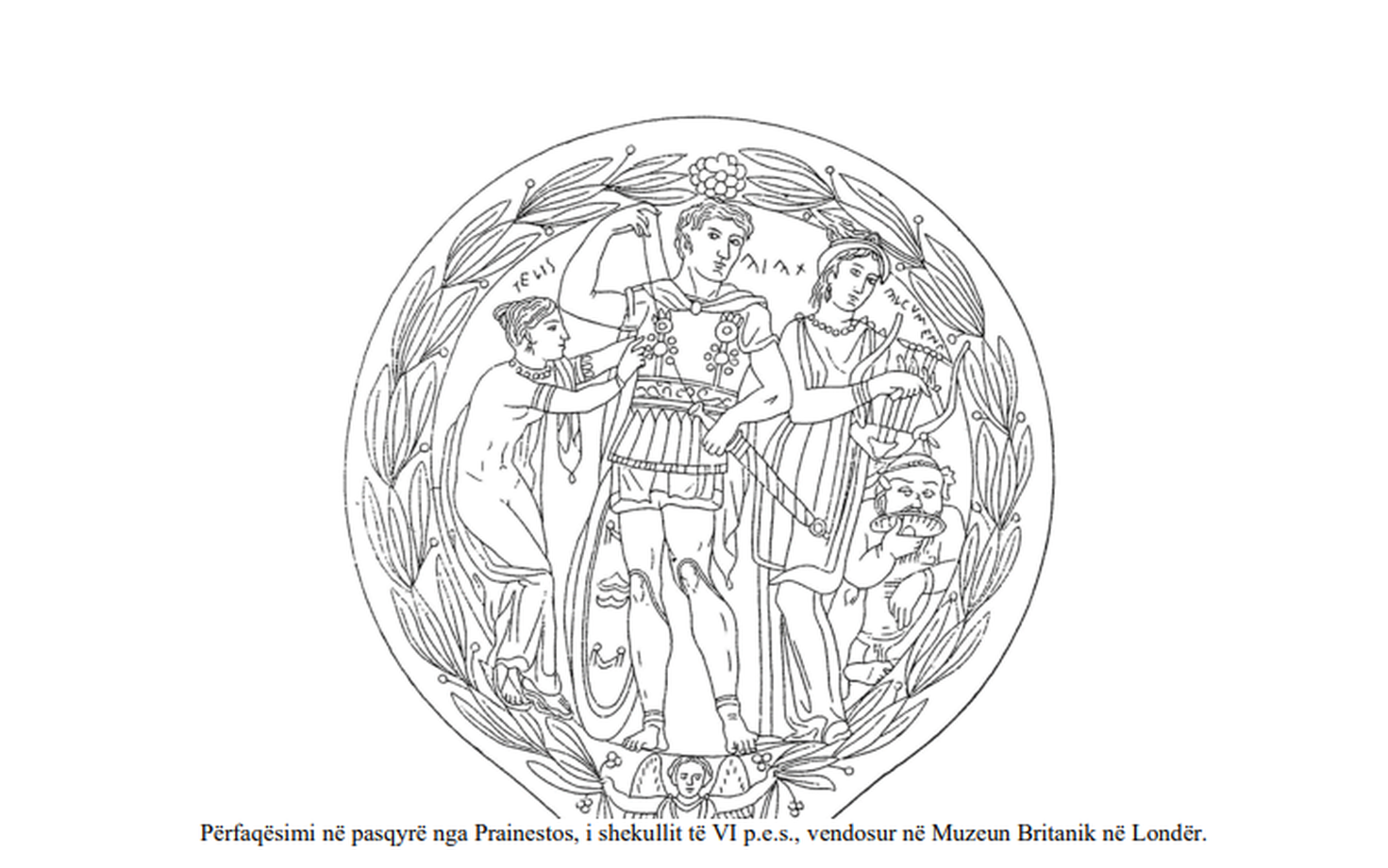
Duke marrë parasysh mënyrën e shkrimit të emrit në tekstin e mësipërm, i cili në të njëjtën mënyrë është shkruar në shfaqjen e radhës nga qyteti i Praenestos në Shqipëri në Lazio të Italisë, mund të themi se transliterimi i tij në latinisht VENUS është i pasaktë, sepse, siç e shohim, në emrin VENVS, V-ja e parë latinët e transkriptojnë V dhe të dytin U. Duke transliteruar në emrin VENVS shkronjën V për U, kemi UENUS, dhe me një ndarje në fjalë UE NUS, që në përkthim do të thotë “mendje uji”. Një shprehje që arvanitasit e përdorin edhe sot në vend të greqishtes “μυαλό που τρέχει” (mendje që rrjedh), të cilën në përkthim të lirë mund ta quajmë të mençur dhe të gjithëdijshëm.

Përfaqësimi në kapakun e një tenxhereje bronzi të shekullit të III p.e.s. nga Praenesti. Muzeu Kombëtar
(Lindje) Berlin 3467.
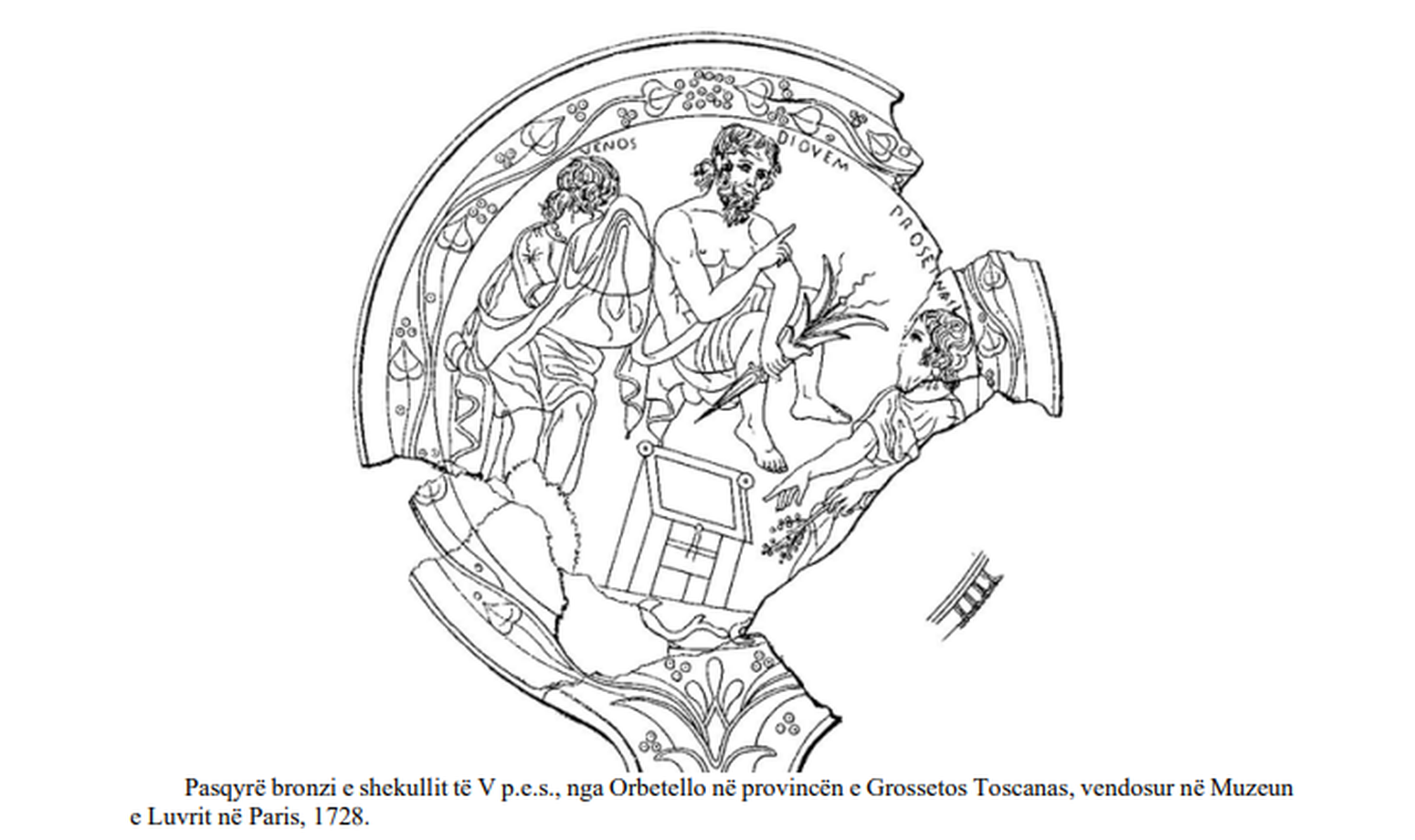
Duke marrë parasysh edhe informacionin se Cæcilia, ose e quajtur ndryshe VENUS, nga dashuria hedh hi mbi sytë e saj dhe u verbua, mund të shpjegojmë pse romakët e konsideronin perëndeshën Venus, perëndeshën e dashurisë, dëshirës erotike dhe bukurisë. Pa komentuar pse ky informacion nuk gjendet tek shkrimtarët e lashtë grekë dhe latinë, unë e transferoj përfaqësimin tjetër në një pasqyrë tyrrheniane, ku, siç e shohim, prapa nga shqiptarët, Dioniso nga grekët, dhe (DIOUEM) nga tyrrhenët, është me fytyrën e saj të mbuluar, dhe përballë gruaja e tij e re.

Pasqyrë bronzi e shekullit të V p.e.s., nga Orbetello në provincën e Grossetos Toscanas, vendosur në Muzeun e Luvrit në Paris, 1728.
Për, sipas karakterizimit ,, thjesht do të them se ai është Dionisi i parë ose më i vjetër, duke pasur parasysh se kishte më shumë se një Dionis.2
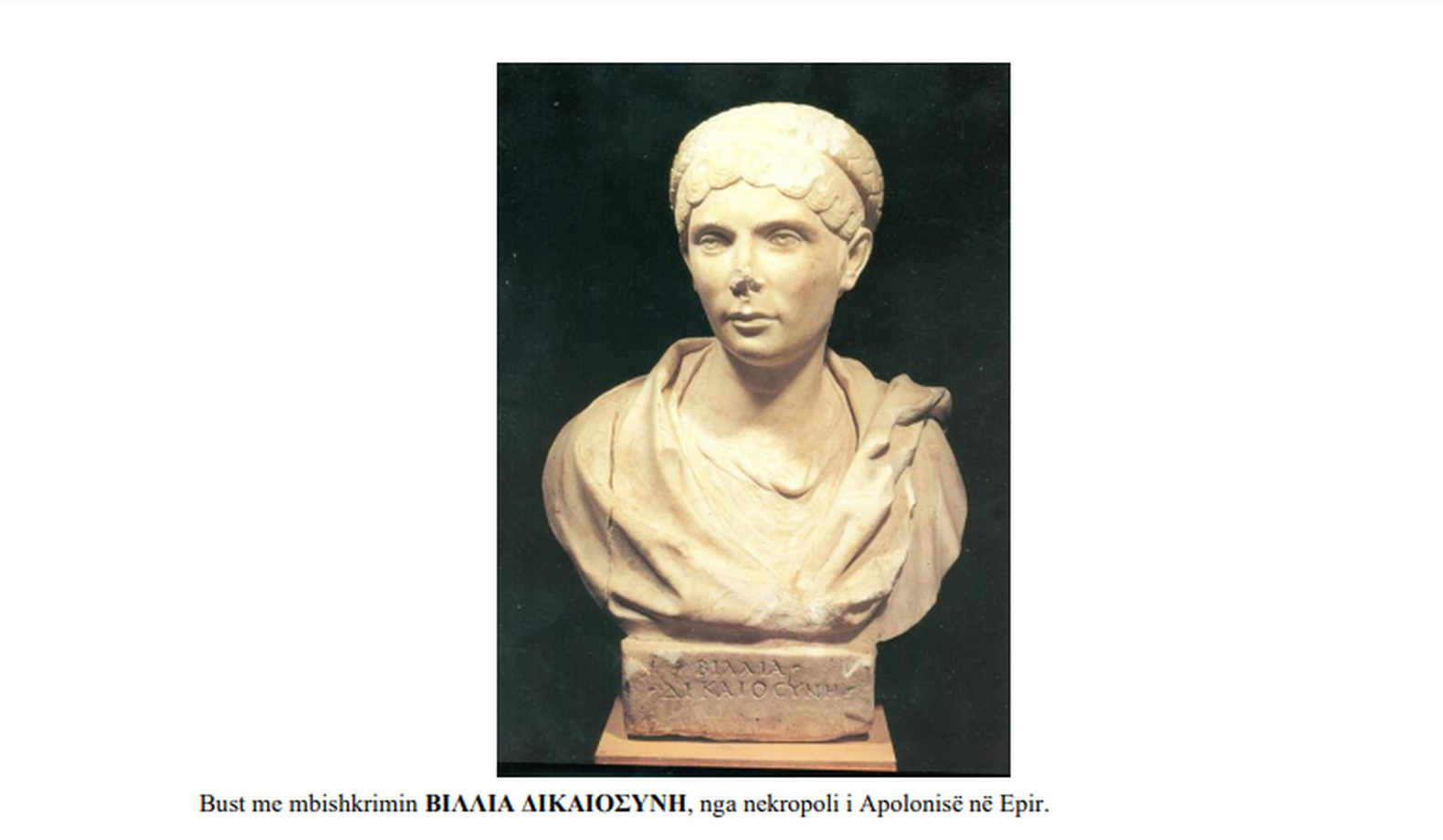
Për gruan e re të marrë nga Dionisi i parë, i paraqitur në përfaqësimin e mësipërm me emrin e saj të palexuar, sipas informacionit që ajo ishte , dhe me fjalë të tjera të Α ose të Parit ose Mbretit Bilie ose Bije ose Vajzë, si dhe faktit që mbishkrimi është gjetur në qytetin Byllis, transferoj dhe bustin tjetër që është gjetur në Apolloni, marrë edhe atë nga libri I lartpërmendur, librin “Albanien, Schätze aus dem Land der Skipetaren”, ku, nga Skënder Anamali është shkruar teksti i mëposhtëm: Busti paraqet një grua të re, Billia Dikaiosyne-Justitia; Ajo vjen si një dekoratë varri nga nekropoli i Apollonisë, ku doli në dritë si një gjetje e rastësishme gjatë punës bujqësore. Sipas emrit, e reja duhet t’i ketë përkitur familjes së njohur të Billiasit të Apollonisë, gjë që përmendet edhe në ndërtimin e Buleuterionit të qytetit. Skulptori nga Apollonia ka punuar në portret me kujdes të veçantë; Billia ishte e njohur për virtytet e saj dhe vdiq shumë e re. Çdo tipar i këtij portreti shpreh pikëllimin: kokën pak të përkulur në të majtë, shikimin e pajetë të syve në formë bajameje me nxënësit e theksuar, qepallat e rënda, fytyrën e butë dhe faqet e plota deri në buzë dhe gojë. Të gjitha tiparet i japin portretit butësi dhe freski, që korrespondojnë me rininë e gruas së portretizuar. Skulptori paraqet fytyrën e bukur me hairstyle (stil flokësh) mode të kohës. Portreti i Villias tregon të njëjtat tipare stilistike si portretet e tjera bashkëkohore, si ai i statujës së Faustinës në Dresden. Është një vepër e klasit të parë nga koha e perandorit Hadrian
(117-138 pas Krishtit) dhe është produkt i punishteve të famshme të Apollonisë.

“Duke lënë gjithashtu pa koment edhe shkrimet e arkeologut dhe historianit shqiptar Skender Anamali, siç e shohim, për gruan e paraqitur në këtë bust, emri i saj është shkruar në dy gjuhë me alfabetin grek.
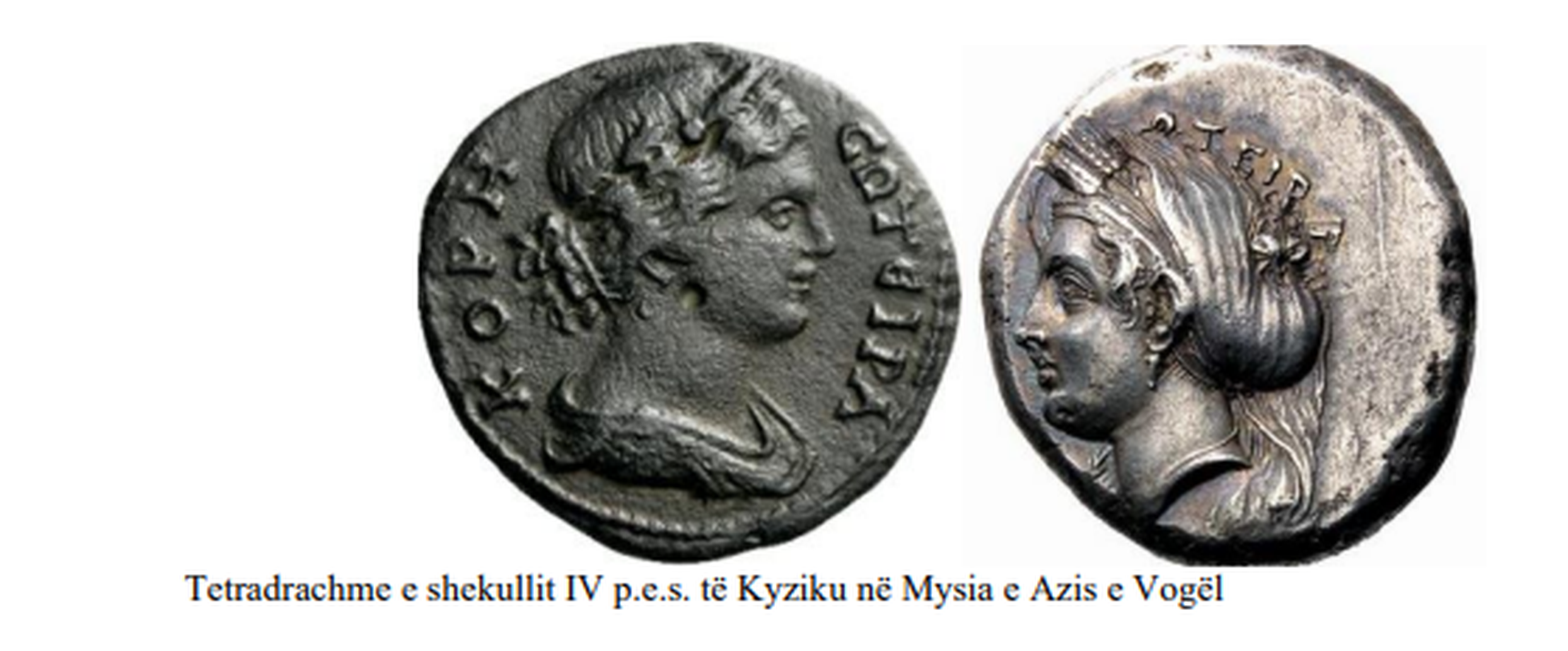
Emri në shqip, dhe më saktë në dialektin toskerisht të gjuhës shqipe, dhe në greqisht. Duke e shkruar emrin me alfabetin shqiptar kemi emrin Bilia, dhe me alfabetin e J. G. von Hahn bίλjα3, që në greqisht quhet KOΡH (KORI = Bilie ose Bije ose Vajzë), të cilën e gjejmë të ilustruar edhe në disa monedha të lashta, nga të cilat janë edhe dy të tjera, ku në të parën është shkruar emri ΚΟΡΗ ΣΩΤΕΙΡΑ (KORI SOTEIRA), dhe në të dytën vetëm ΣΩΤΕΙΡΑ (SOTEIRA = SHPËTIMTARE).), Tetradrachme e shekullit IV p.e.s. të Kyziku në Mysia e Azis e Vogël.

Përveç kësaj, këtu do të sqaroj se alfabeti dorik i Apolonisë, si dhe i qyteteve që konsiderohen si themelueset e saj, domethënë alfabetet e Korfuzit dhe Korintit, përveç shkronjës B, e cila shqiptohet b, kanë edhe shkronjën që, siç e shohim edhe në fragmentin e ardhshëm nga tabela e alfabeteve të lashta greke, është ekuivalenti i β grek ionik.
Ekstrakt nga tabela me alfabete të lashta greke (Karl Folmann)

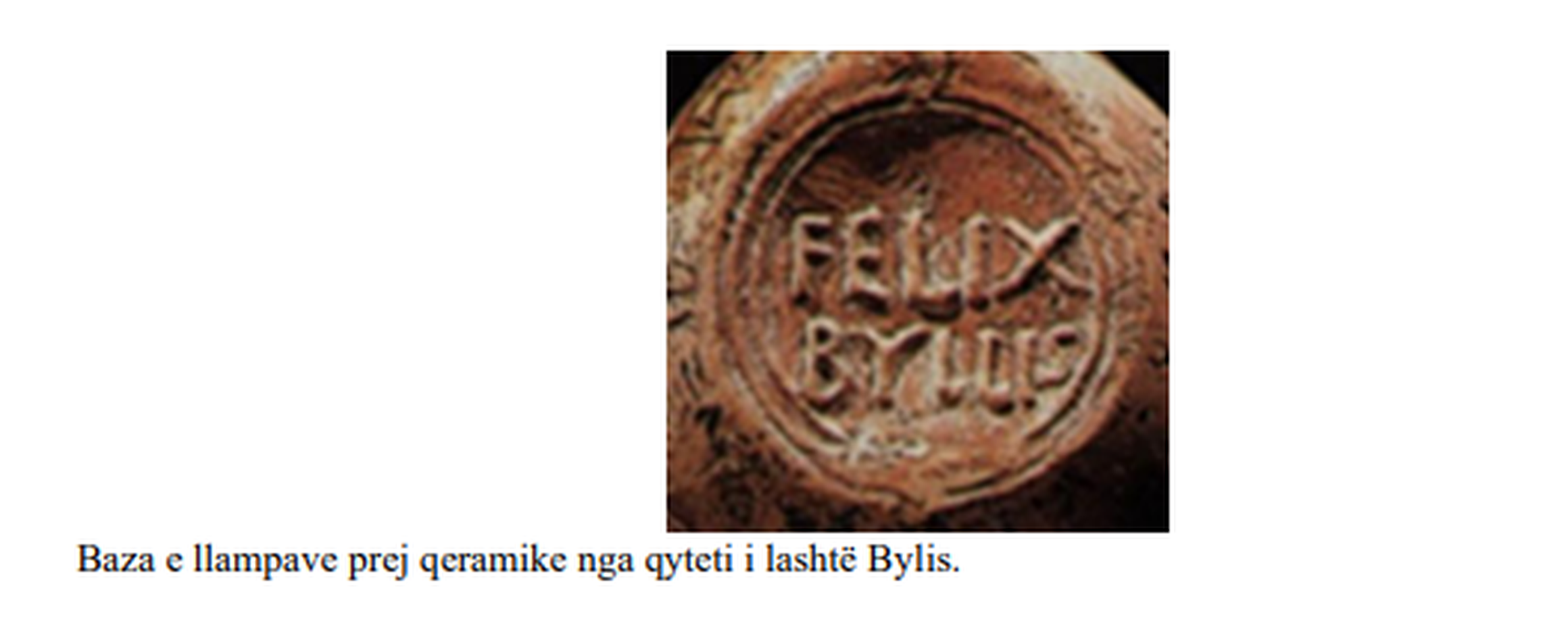
Si provë e kësaj, transferoj edhe fotografinë e mëposhtme të bazës së llampës prej qeramike
from Bylis, with the name of the bishop FELIX BYLLIS written in the Latin alphabet, who represented this city in 431 at the Third Ecumenical Synod in Ephesus.

Ceramic lamp base from the ancient city of Bylis.
In addition, here I will say that two different A, which in the Corinthian alphabet are written and , and in the Corfu alphabet and , in the inscription alphabet are written and . The letters that are also written and we find also in the alphabet where the names are written in the next presentation, and in other words also in the alphabet of the Albanian city Praeneste in Lazio, Italy.

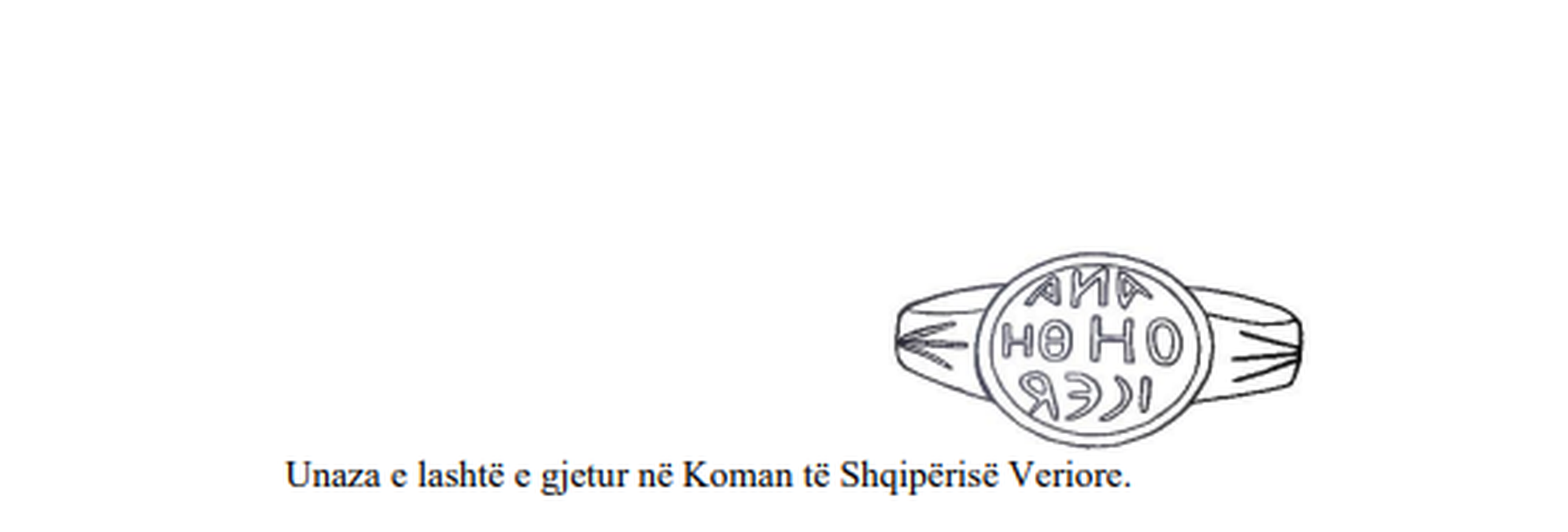
And the letters that, as we see, are written as in the Corinthian alphabet are also found in the pre-Christian ring found in Koman, Northern Albania.

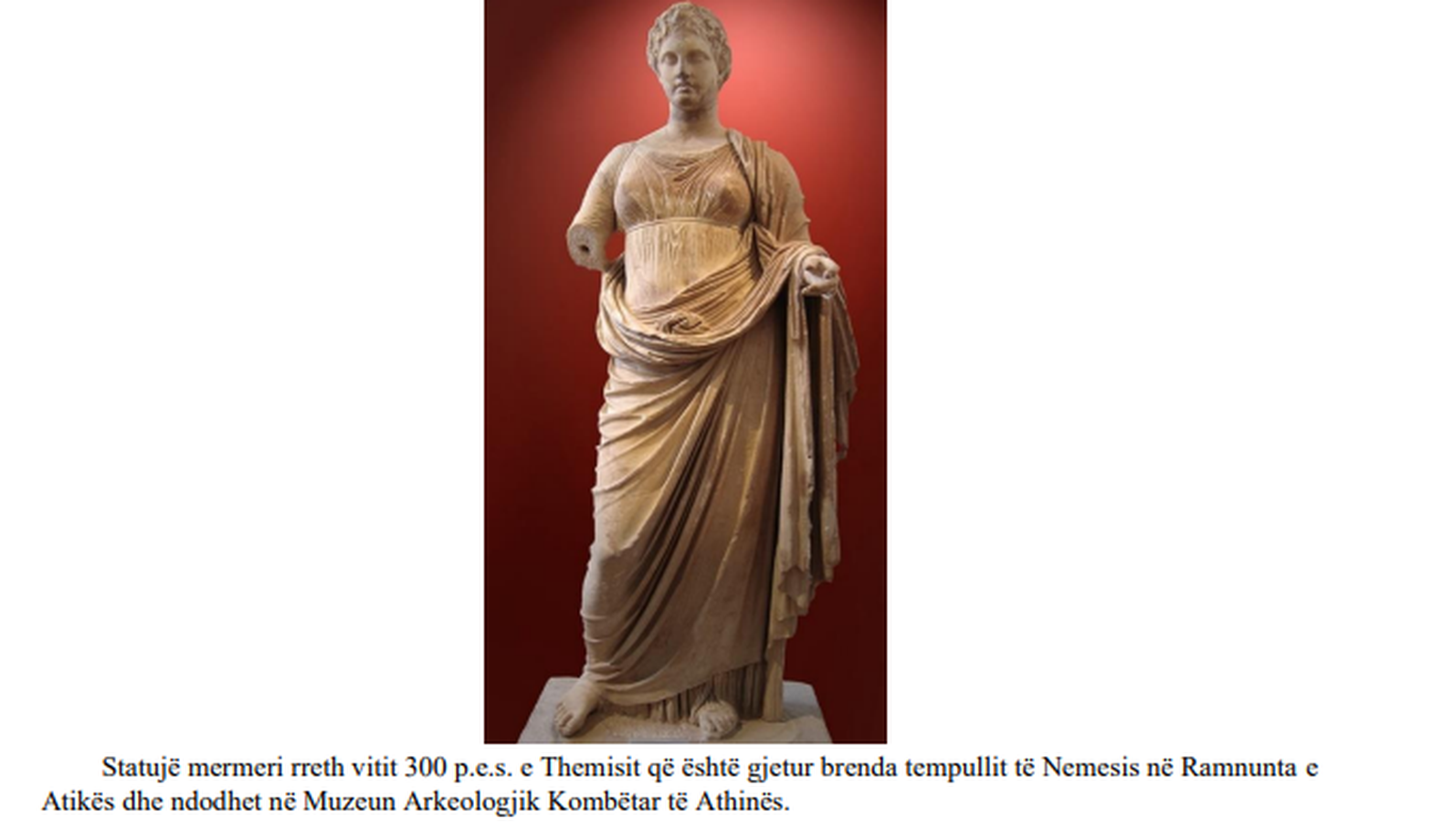
For the Greek name, knowing that the Greeks called the Goddess of Justice Themis, I also provide a photo of her statue from ancient Ramnunda in Attica, where we can say that in her face and in the face of - the similarities are great.

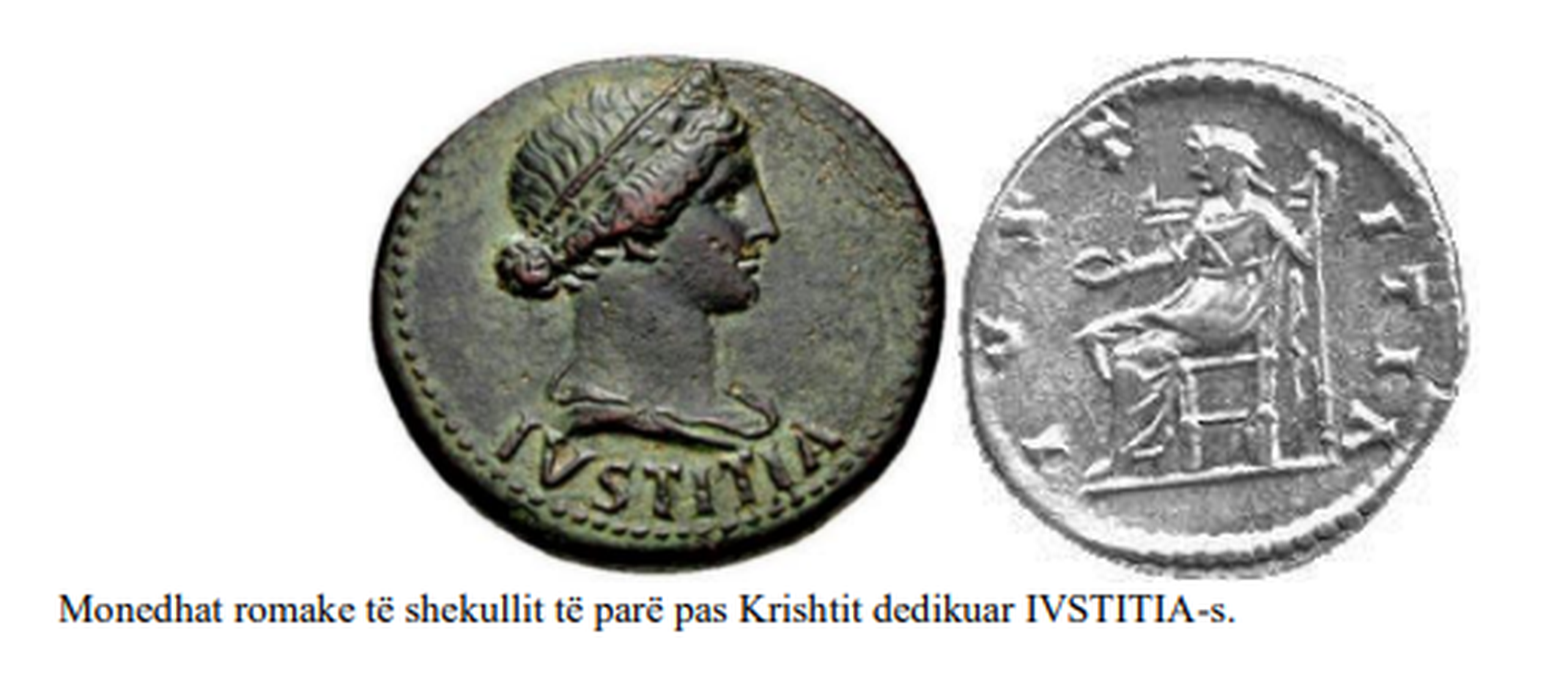
Also knowing that the Romans called the Goddess of Justice IUSTITIA, I also provide the following two Roman coins with the name IVSTITIA written for the woman illustrated on them, who in the second of them is even illustrated sitting on a throne.

Considering what is written in the text above that , who became blind herself, "left hymns of subtle (sensitive) sounds", I also find it very interesting that among Christians, Saint Caecilia is considered not only the protector of the blind, but also the protector of music.
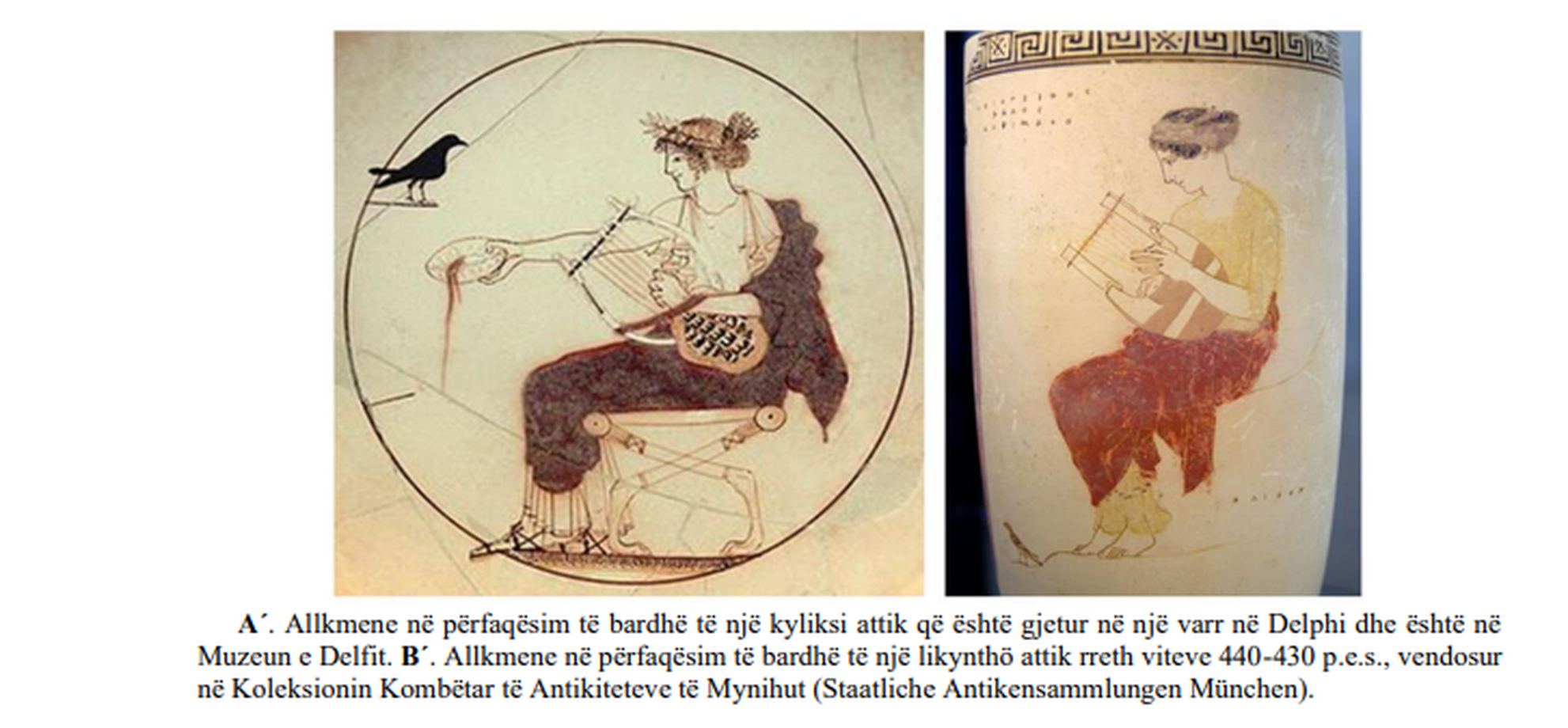
As proof that Saint Caecilia is a borrowing of Christians from pre-Christian cults, I transfer the icon below of her, where we have her represented with an ancient lyre in her hands, then giving two other ancient representations, even from the 5th century BC, from which we can say that if we do not have the same woman in all three of these representations, that the icon of Saint CECILIA or CAECILIA, as its model, has these representations before Christianity.


Refuting my writing, I will simply say here that the characterization we have in the above text for , in free translation means Queen of the sixth king of the Pelasgian dynasty, a topic that we will address in another article.
Having as my life's dream to bring back as many Albanians as possible to deal with their ancient history, which is no poorer than that of other Mediterranean peoples, I transfer the following representation from a mirror of the Albanians in Praenesto, where Alcmene also appears, and is named by the Albanians in Lazio, Italy, from where I believe the hagiographer of the above icon of CECILIA, this representation was made known.

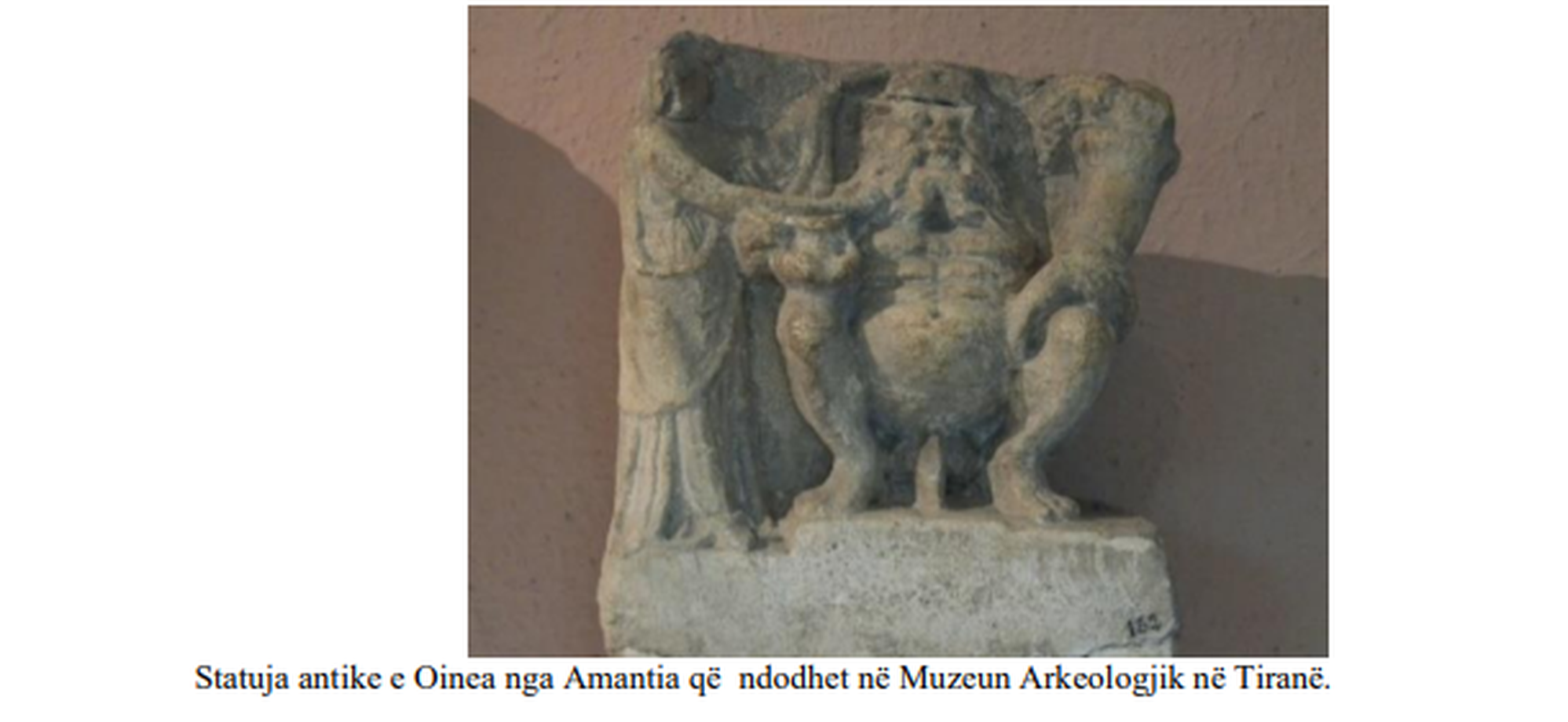
Considering that next to Alcmene sitting below is Oinea, named by the Greeks and (EPIUR) by the Tyrrhenian Pelasgians, I also transfer the photo below of a statue that was found in Amantia and is today housed in the Archaeological Museum in Tirana.