


Is this police force professional and capable of handling violen...
/ 2026-10-16 18:54:07Focus


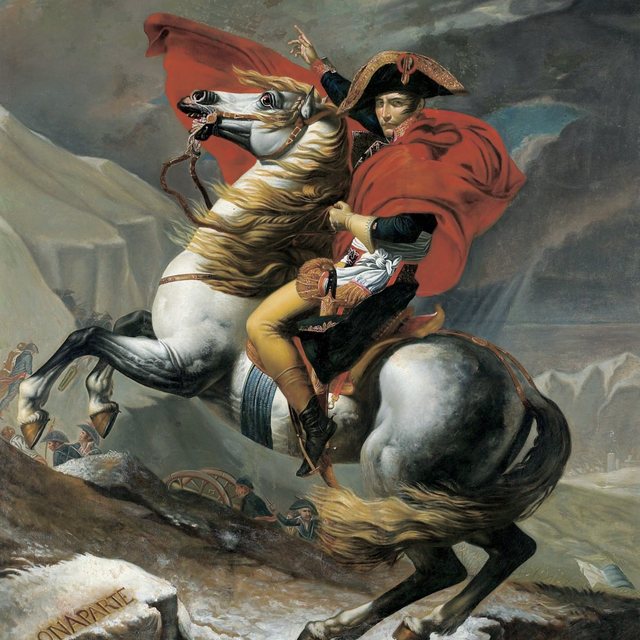
Starting with Napoleon Bonaparte, we're listing below the five leaders who initiated coups, rose to power and led, and changed world history.
Napoleon Bonaparte

Shortly after returning from his famous Egyptian military campaign in October 1799, Napoleon Bonaparte began making plans to overthrow the five-man Directorate that ruled France. With the support of several high-level associates, Napoleon organized a special legislative session that took place outside Paris on November 10, 1799. Through propaganda, bribery, and pressure, he hoped to deceive the "Council of Elders" so that they would they came to the head of the country. This not only did not happen, but accusations were thrown at him and he was taken out with chants of "Down with the dictator!". Despite this, he managed to achieve his goals by abolishing the Directorate and taking the post as first consul, until in 1804 he was crowned emperor.
Francisco Franco
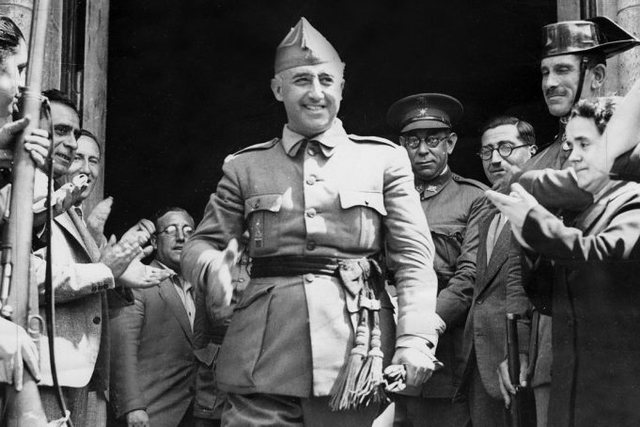
When a leftist coalition won the Spanish elections in February 1936, General Francisco Franco was sent to the Canary Islands. Although he was aware of a conspiracy brewing among his fellow army officers, he was initially reluctant to join, but eventually relented. On July 18, Franco wrote a manifesto pleading with the military to overthrow the democratically elected government. When army garrisons throughout Spain heeded his call, he immediately set off secretly from the Canary Islands to then-Spanish-controlled Morocco, where the uprising had begun. The coup attempt was partially successful, leaving Franco's rebels in control of only a third of the country and sparking a bloody civil war that would last three years. In the end, however, he emerged victorious.
Muammar al-Gaddafi
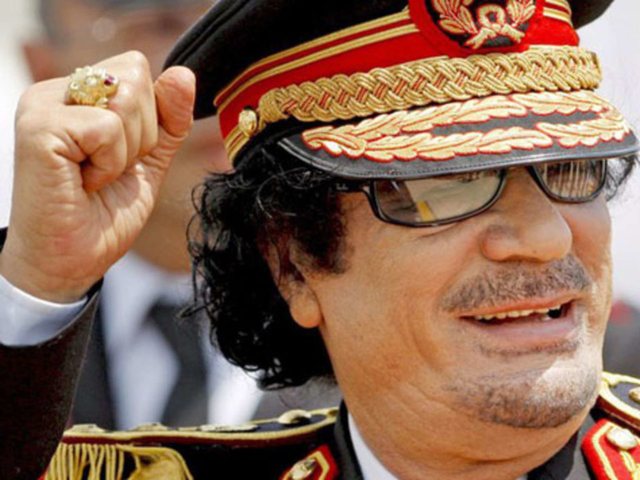
Born in a tent to illiterate Bedouin parents, Muammar al-Gaddafi grew up hating the Libyan monarchy and its Western backers. At the age of 27, while still a young army officer, he decided to take power himself on September 1, 1969, while King Idris was abroad. Driving military vehicles into the cities of Tripoli and Benghazi, Gaddaf and about 70 of his associates surrounded the royal palace and other key government buildings, cut off communications and arrested several senior officials (one of whom jumped into a swimming pool in his pajamas, while trying to escape). The king's personal guard offered only token resistance and within two hours the coup d'état was carried out. In a radio address that morning, Gaddaf informed his countrymen that the "corrupt" and "reactionary" regime had been overthrown. At first, no one knew clearly who had taken responsibility for this event. But Gaddaf would soon impose his will on all aspects of Libyan life. Constantly clashing with the United States, he would rule Libya for 42 years, until he was assassinated during the 2011 Arab Spring uprising.

Go Amen
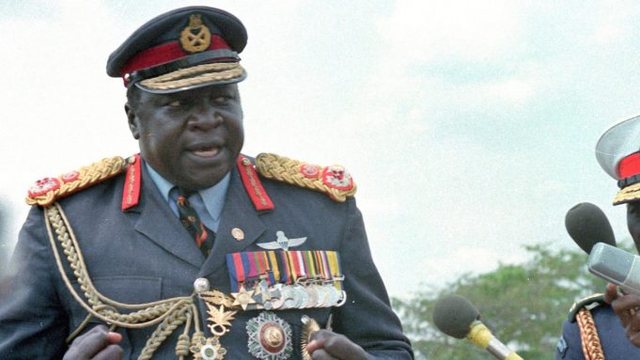
From lowly positions, Idi Amin quickly rose through the military ranks to become Uganda's highest ranking general. Although initially a close ally of President Milton Obote, who had led the country to independence from Britain in 1962, the two men eventually grew to distrust each other. Just before he left for a conference in Singapore, Obote allegedly secretly ordered Amin's arrest. Word of this plot was leaked to Amin, and he responded on January 25, 1971. Firing guns and mortars, Amin's men quickly seized the airport and other strategic locations, before announcing their successful coup over the radio. . Despite a promise to restore democracy, the self-proclaimed "Last King of Scotland" would go on to rule Uganda with an iron fist initially, killing an estimated 300,000 political opponents. After being overthrown by Ugandan exiles and Tanzanian soldiers, Amin lived out the rest of his life in Saudi Arabia without facing charges.
Augusto Pinochet

A long-serving military officer, Augusto Pinochet was appointed head of the Chilean army at the same time he joined a CIA-backed plot against the man who had promoted him, President Salvador Allende. On September 11, 1973, the Chilean navy occupied the port city of Valparaiso, while tanks and troops advanced on the presidential palace in downtown Santiago. Directing the attack from a suburban command post, Pinochet ordered two fighter jets to fire missiles at the palace. As flames shot skyward, soldiers then stormed the building, prompting Allende, a democratically elected Marxist, to commit suicide rather than surrender. After that, Pinochet's men began rounding up thousands of Allende supporters to torture and execute them without trial. Pinochet thus began what would become a 17-year dictatorial reign. Congressional testimony and documents later declassified showed that, under the orders of US President Richard Nixon, the CIA had tried for years to bring about Allende's downfall, in part by financing anti-Allende propaganda, taking measures to harm Chile's economy and maintaining constant contact with known coup plotters.


