"We are drowning..." - From Lisbon, Milan to Tirana, "The Guardi...
/ 2026-10-18 23:13:32Focus


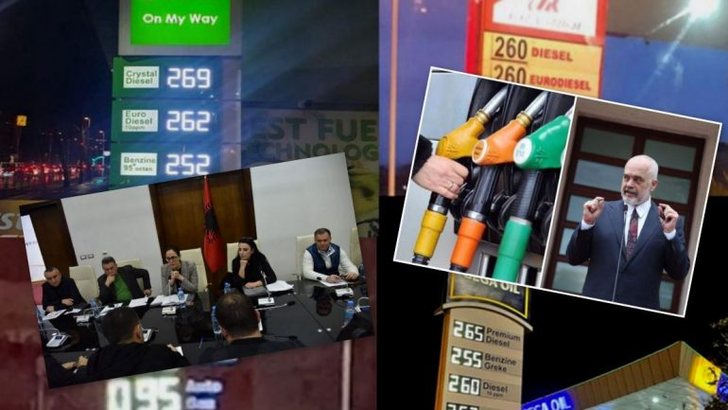
Citizens are complaining about the decision of the Price Board that brought a liter of oil almost 250 lek per liter and have called for protests. They accuse the Board of turning it into a tool that is legitimizing Kastrati and Gega's monopoly on the fuel market.
Citizens' concern at the moment seems lukewarm and only on social networks. However, they were joined by the Socialist MP, Erion Brace. He also says that prices are abusive and do not reflect fluctuations in international stock exchanges when this price is decreasing.
However, Kastrati and Gega have responded through the Hydrocarbons Association. The association claims that it is allegedly selling fuel at a loss and that the Board and the prices set by it are penalizing it. The association says that on June 1 it lost 3 lek per liter in the sale of oil and 2.7 lek per liter in the case of gasoline.
But, is the board controlling Kastrati and Gega, or is Gega and Kastrati controlling the board? For this let's look at the body composition that sets fuel prices. The Price Transparency Board consists of 13 members. Seven are representatives of the Government and six are of companies importing fuel and food.
According to point 4 of article 3 of the normative act that set up this board, the decision-making of this body is done by simple majority and the representatives of the Government, who sit in the chairs opposite the representatives of the oil oligarchs as defenders of public interest have no veto.
So, it is enough for one of the seven representatives of the Government to think like the representatives of the fuel businesses and the decision-making leans out of their pocket. This is also the reason that from some series assembly the board only raises the price of fuel, despite fluctuations in its market.
The Government is probably also pleased with the price increase, as it collects more in the budget in the form of excise and VAT, passing on to the citizens the entire burden of the price increase, including their abusive increase, while publicly creating the impression that is protecting citizens.
Karburantet në bursat ndërkombëtare këtë të enjte ranë pas vendimit të OPEC për të rritur sasinë e prodhimit të naftës bruto. Megjithatë, Bordi i ashtuquajtur i transparencës, por që transparencën e ka vetëm në emër nuk dihet nëse do të mblidhet e të rishikojë me ulje çmimin, apo do të mbajë këtë çmim për t’u shmangur gjoja humbjet Kastratit dhe Gegës.
Ajo që përforcon bindjen se bordi është vegël e kompanive që kanë duopolin e karburanteve është fakti që çmimet në rritje reflektohen menjëherë në shitjen me pakicë në Shqipëri, ndërsa kur ato ulen, reflektimet mbërrijnë me vonesë dhe janë të vakta megjithëse kompanitë deklarojnë se kanë depozita për mijëra tonë karburant.
Si shembull, Kastrati Group deklaron se ka çisterna depozita në Porto Romano me kapacitet 75.000 tonë. Grupi ka gjithashtu edhe të tjera objekte për transport tokësor të një kapaciteti prej 30.000 tonësh. Objektivi i Kastratit, sipas asaj që thotë vetë në faqen zyrtare është shtimi i depozitave në 120 mijë tonë.
Por, Kastrati e shet litrin e karburanteve si të kishte depozitat, duke reflektuar menjëherë rritjen e çmimeve në bursa. Pse? Konsumi mesatar ditor i karburanteve në Shqipëri, sipas të dhënave të vitit të kaluar është rreth 1750 tonë në ditë. Pra, sikur të mos importojë fare, vetëm depozitat e Kastratit, pa përfshirë këtu të Gegës dhe të kompanive të tjera furnizojnë Shqipërinë për rreth 40 ditë.
Me bordin nën kontroll dhe qeverinë që po u legalizon abuzimin në treg përmes bordit, viktimat janë qytetarët...po shoqëria civile ku është?
© Copyright Vox News
This article is exclusive to Vox News, enjoys copyright under Law no. 35/2016, "On copyright and related rights". The article can be republished by other media only by quoting Vox News and at the end the source link is placed, otherwise any violator will be held liable under Article 178 of Law No. / 35/2016.