Is this police force professional and capable of handling violen...
/ 2026-10-16 18:54:07Focus


Gianluca Mercuri - Corriere della Sera
The key phrase is the one with the obscene phrases, "they don't know what the hell they're doing," referring to Israel and Iran, which roamed the internet for hours yesterday, keeping us in suspense: "Is the war over or not?" asked governments, businessmen and journalists from every corner of the planet, listening to Donald Trump "overdo it" even more than usual.
It wasn't the foul word itself, the issue. Of course, we had never heard an American president express himself in that way in the midst of a dramatic international crisis.
The problem is that Trump, trying to appear for once as the adult in the room dealing with rebellious children, was actually projecting the opposite image, that of insecurity. That of the most powerful leader on the planet who – he, before anyone else – doesn't really know what he's doing.
In addition, in the preceding hours, the "Great Improviser" had indeed said all sorts of things: for example, he had gone so far as to thank the regime he had just bombed and threatened with annihilation for warning him before attacking the US base in Qatar, a theatrical and practically agreed-upon retaliation to avoid the worst.
And above all, he had offered the most sensational theatrical coup with the sudden ceasefire announced, undoubtedly in his “Social Truth”, on the night between Monday and Tuesday: a ceasefire with mysterious contours, with the warring parties ignoring it for several hours and him, the president, who suddenly changed roles in the comedy, from warlord to help Israel, to mediator who got angry with Israel because he risked blowing up the mediation.
Trump hastened to shed the label of a bully, which he has hated from the start. Now that he has shown his Tnaco side (“Trump NOT always chickens out”), and has dropped bombs that have never been dropped before, he seems eager to return to being the weaver of peace plots that are undoubtedly failed, but which he claims are crucial. And they probably are: if the ceasefire holds.
And here's the crux of the matter: is the 12-day war, as he called it, paraphrasing the 6-day war that the Israelis won in 1967, really over? The historical comparison is no longer reassuring, given that that Middle East conflict was followed six years later by another that paralyzed the world economy.
And so in the days, months, and years to come, we will have to figure out whether the contenders will use the ceasefire to make peace or to sharpen their weapons and return to fighting at the first favorable opportunity.
"What time is the ceasefire?"
This is the detail that Trump did not specify when, shortly after midnight, he announced the ceasefire between Israel and Iran.
The halt, he wrote in his post, would begin in “about 6 hours, when Israel and Iran will have completed their last ongoing missions!” The timing was too vague, too tempting a pretext to attack until the last minute.
So Israel took advantage of the situation to assassinate several other Iranian scientists and leaders of the Basiji militia.
The Pasdaran hit a building in Beer Sheva, in the Negev desert, with a rocket, killing four people.
Trump's anger
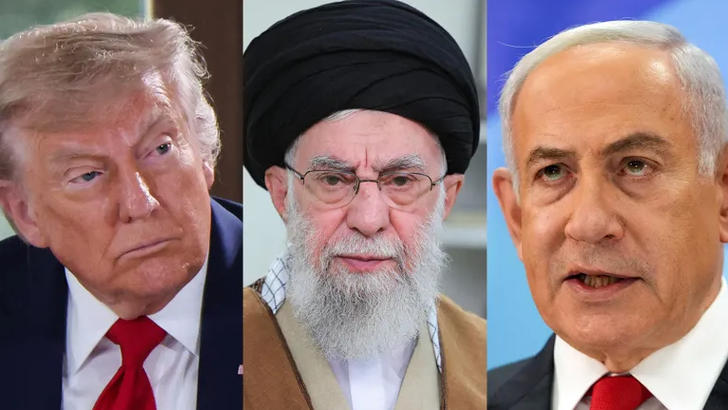
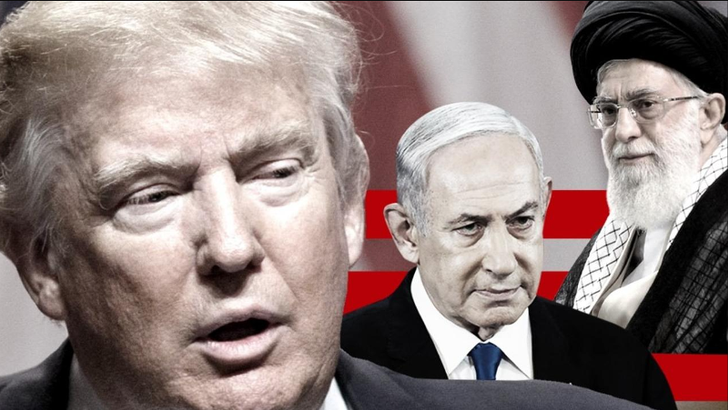
Tensions between the US president and Israeli Prime Minister Benjamin Netanyahu have been rising rapidly, and Trump has not hidden this from reporters: “As soon as we reached a deal, Israel goes and drops a quantity of bombs that I have never seen before. I am not happy with Israel. And not with Iran. But most of all not with Israel. These two nations have been fighting for so long that…”, and then the worst happened.
Then another harsh tweet to Tel Aviv – “It’s a violation, recall those pilots” – and Israel called off the last missions, but not before a symbolic and final attack on an old radar. Since then, the ceasefire has held.
But what is the balance of this conflict?
In terms of losses, the Israeli casualties are 29, all residents of buildings hit by the fifty rockets (out of 500 launched) that breached the defenses of the Jewish state.
According to calculations by the organization "Human Rights Activists", the Iranian dead are instead 974, of whom 387 civilians and 268 members of the security forces, while the authorities in Tehran speak of 610 victims.
On a political and strategic level, the balance is complex and it will take time to understand how the 12-Day War has changed the Middle Eastern and global landscape.
Let's look at the immediately obvious and unknown consequences:
How is Trump getting out of this situation?
From his perspective, good. He has erased the image of the unstable and restored what interests him most, the unpredictable leader who loves agreements, but to get there, he does not disdain force and uses it, surprising everyone.
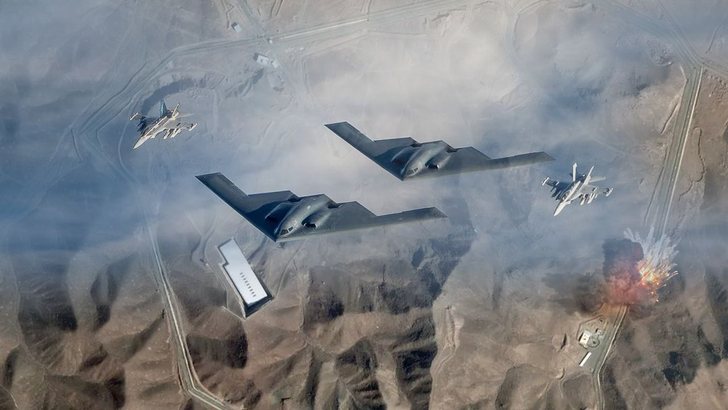
He dared where neither Clinton, nor Bush Jr., nor Obama, nor Biden had dared, attacking Iran on its territory with very powerful weapons, B2 bombers, capable of breaching the ultra-protected nuclear site of Fordow.
But at the same time, he has avoided the danger that analysts have feared in recent days, that of the quagmire, of America dragged into a conflict that they know when it begins but not when it ends, with the specter of history (Vietnam, Iraq, Afghanistan) always looming.
Ndalesa e menjëhershme gjithashtu riparon çarjen që po shfaqej në Trumpizëm, midis izolacionistëve që i bënë thirrje udhëheqësit për premtimin e “asnjë lufte tjetër” dhe ndërhyrësve që nuk duan të heqin dorë nga roli perandorak i Amerikës.
Megjithatë, nga pikëpamja botërore, ankthi kolektiv për një udhëheqës të çrregullt forcohet, i cili luhatet midis kaosit dhe rendit, i cili vendos i vetëm, beson në rrezik dhe nuk i jep siguri dhe stabilitet as aleatëve të tij.
Si po del Irani nga kjo situatë?
Përshtypja është se ajatollahët ia kanë dalë mbanë përsëri. Për ditë të tëra, udhëheqësit e regjimit janë zgjuar në mëngjes duke pasur frikë se orët e tyre janë të numëruara, midis kolegëve të vrarë papritur, paralajmërimeve të kobshme nga Mossadi dhe frikës se, “personi me të cilin po flisni po punon për izraelitët”.
Megjithatë, ndryshimi i regjimit i premtuar nga Netanjahu dhe i përmendur në mënyrë të paqartë nga Trump, nuk ka ndodhur ende.
Dhe David Petraeus, ish-komandant historik i forcave amerikane në Lindjen e Mesme, tha se kjo nuk do të ndodhë, veçanërisht nëse iranianët tani kthehen në negociata në një mënyrë të pranueshme për Trump, i cili para luftës kërkoi një ndalesë të plotë të pasurimit të uraniumit: “Nuk mendoj se ka forca opozitare në Iran me numër dhe armë të mjaftueshme për të përmbysur regjimin dhe dyshoj se dikush nga brenda regjimit do ta përmbysë udhëheqjen”, thotë Petraeus.
Ishte vetë Ajatollah Khamenei, ai që mori ultimatumin nga amerikanët, i cili kishte gjetur bunkerin e tij: “Ose prano armëpushimin brenda 24 orësh, ose ne do të vijmë t’ju marrim”.
Rezultati: armëpushimi u pranua dhe narrativa të regjimit që këndonte fitoren dhe përpiqej të sheqeroste një poshtërim historik, me udhëheqësin e kërcënuar, aeroplanët izraelitë që dominonin qiellin dhe një program bërthamor të plagosur për vdekje.
Apo jo?
Dyshimet janë në fakt shumë të forta: CNN, bazuar në burime të inteligjencës amerikane, zbulon se sulmet amerikane të ditëve të fundit “vetëm e kanë vonuar me muaj”, në vend që ta “zhdukin plotësisht” siç tha Trump.
Frika që i shtohet asaj se iranianët kanë zhvendosur shumicën e rezervave të uraniumit të pasuruar shumë nga centrali bërthamor Fordow para sulmit shkatërrues amerikan të shtunën.
Shtytja e jashtme, shkurt, nuk është përfunduar. Sipas Vali Nasr, ekspertit më të madh në botë për Iranin, për regjimin teokratik, “vulnerabiliteti më i madh në këtë kohë është popullsia”, e ngopur me një sistem ultra të kalbur, i cili i ka shtypur ata për tre breza.
Si po del Izraeli nga kjo situatë
Netanjahu gjithashtu pretendon fitoren, por vlerësimi i tij është i përzier: Trump u detyrua të ngrinte zërin për ta ndaluar, një shenjë se kryeministri donte të vazhdonte luftën.
Një luftë që konfirmoi varësinë e shtetit hebre nga mbështetja amerikane. Sigurisht, inteligjenca e Izraelit ka demonstruar edhe një herë aftësi të jashtëzakonshme dhe do të popullojë përgjithmonë makthet e mullahëve që mbijetojnë, por mullahët janë ende aty.
On the other hand, the idea that the work is not finished could be useful for Netanyahu in light of a long election campaign.
But what Israel continues to lack is a real idea of the future. The Jewish state, with the deadly blows inflicted after October 7 on all its enemies (Hamas, Hezbollah, Iran), gives the impression that it aims for a regional hegemony based on force, but for analysts it is an idea that cannot work. It is not sustainable for a country with 10 million inhabitants to dominate a region with hundreds of millions.
Meanwhile, after this two-week distraction, Gaza returns to the forefront. The distinction between the two wars is imposed, the one against Iran, which – despite all the doubts at the level of international legality – has its own moral legitimacy, because that regime has always declared that it wants the extermination of Israel.
And the one in Gaza, which nevertheless lost it long ago, because the inevitable response to Hamas degenerated into an endless massacre.