Is this police force professional and capable of handling violen...
/ 2026-10-16 18:54:07Focus


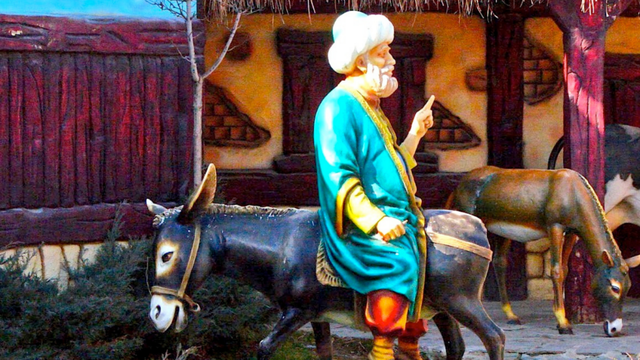
Aksehir, a city in central Anatolia, is the birthplace of Nasreddin Hoxha, or as we know him in Albania, Nastradini.
His hometown has become the epicenter of celebrations for the legendary figure of the Turkish satirist, as the 800th anniversary of his birth approaches.
The 66th edition of the International Nastradini Festival kicked off on July 5 and will last ten days, with activities that combine music, theater, humor and folk tradition.
The festival opened with the traditional call of the city herald and a series of cultural activities honoring the wisdom and critical spirit of Nasruddin. Actor Altan Erkekli, known for his portrayal of Nasruddin on stage and screen, was honored with the “Golden Turban” award at the opening ceremony.
The program includes outdoor theatrical performances, folk tales, children's workshops and exhibitions that bring to light the life and cultural heritage of Nastradini. The festival is now part of the European Association of Folklore Festivals, strengthening its international dimension and promoting cultural exchanges.
Nasreddin Hoxha, a famous figure known for his sharp wit and deep sense of humor, is known throughout the Muslim world, from Central Asia to the Balkans and North Africa. Depending on the country, he is known by different names such as Molla Nasreddin, Juha or Apendi. In 2022, he was declared a World Cultural Heritage by UNESCO, and since 1996, there has been a dedicated international year.
Researchers emphasize that Nasreddin Hoxha was not simply a popular humorist, but a thinker who used satire to criticize power and reflect social realities with irony and wisdom.
“He taught us to laugh at ourselves and reflect,” says professor Ebru Şenocak, who calls him “the popular conscience of ordinary people.”
Even today, his stories are present in everyday language through popular expressions.
The festival in Aksehir is more than a folkloric commemoration. It is a return to the universal values of tolerance, reflection, and wisdom conveyed by the figure of Nasruddin, who, even after eight centuries, remains beloved and relevant.