Is this police force professional and capable of handling violen...
/ 2026-10-16 18:54:07Focus


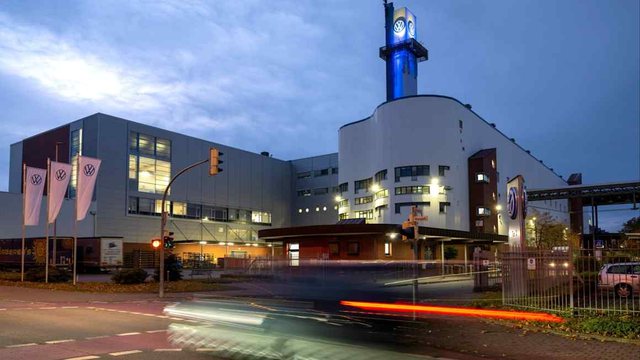
Volkswagen is in talks with Israeli company Rafael Advanced Defense Systems for a deal that could mark a major strategic shift from vehicle production to air defense systems, the Financial Times reported, citing sources close to the project.
At the center of the plan is the Osnabruck plant in Lower Saxony, which has long been facing declining production and is at risk of closing next year under Volkswagen's savings plan approved in 2024. To avoid this scenario, the two companies are considering the possibility of converting it into a production center for components for the Israeli Iron Dome air defense system, known as the "Iron Dome".
The project aims not only to reuse existing industrial capacity but also to safeguard around 2,300 jobs, making it one of the clearest examples of the German automotive industry's transformation towards the defense sector. This transformation comes at a time when European carmakers are facing increasing pressure from Chinese competition and the challenges of the transition to electric vehicles.
According to the sources, the factory would produce some of the key components of the Iron Dome system, including heavy-duty trucks for transporting missiles, launchers and power generators, while production of the missiles themselves would be carried out at another specialized plant that Rafael plans to build in Germany. The Israeli company already has an industrial presence in the country, through collaborations with German companies in the production of defense systems.
Other sources say the initiative enjoys political support from the German government led by Friedrich Merz, at a time when Berlin has significantly increased defense investments after the Russia-Ukraine war, writes La Stampa. Rafael itself has secured important contracts with Germany, including the supply of advanced systems for fighter jets.
However, the realization of the project remains conditional on one key factor, the acceptance of employees to switch from civilian to military production. If this happens, production could start within 12 to 18 months, giving a new lease of life to the factory and reflecting the major changes that European industry is experiencing in the conditions of a new geopolitical and economic environment.