Is this police force professional and capable of handling violen...
/ 2026-10-16 18:54:07Focus


On July 14, 2016, a young woman named Laura Saro founded a company called PCG with the purpose of legal consultancy and assistance. A few months after the foundation, Ms. Saro decided to sell 49 percent of the shares of the newly created company to lawyer Besnik Çerekja.
And the business began to flourish. In the first year, PCG made only 35 thousand euros in turnover, but in the second year its income jumped to 150 thousand euros. Later, in 2018, the turnover reached 220 thousand euros and in 2019 it increased further to 360 thousand euros. The previous two years, PCG collected another 520 thousand euros and in 2022, shareholders Saro and Çerekja suddenly decided to close the company by liquidating it.

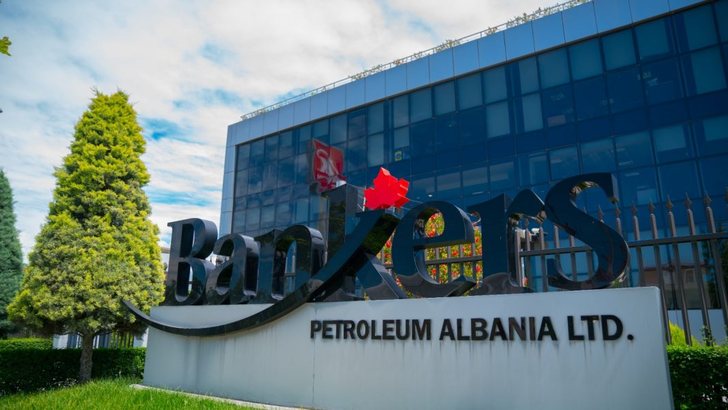
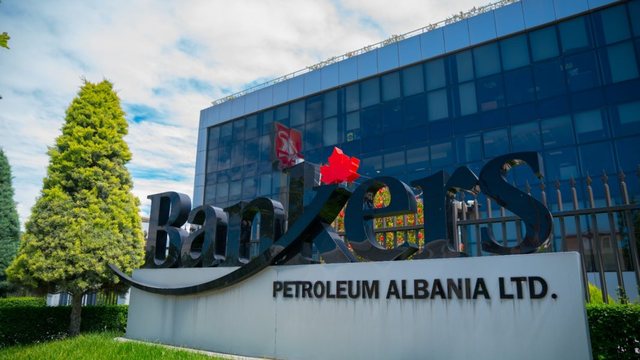
According to the balance sheets, in the 5 years of its activity, PCG collected over 1.2 million euros in income and recorded a net fiscal profit of over 420 thousand euros. One of the main sources of these profits was Bankers Petroleum. But surprisingly, PCG's name does not appear in the Bankers investigative file. There are several law firms such as Halimi Tax and Law of former Minister of Justice Eduart Halimi, H & A of former Socialist MP Alket Hyseni and another firm of Besnik Çereke, with which the lawyer received 2.7 million euros from Bankers. But PCG, no. It does not appear anywhere in the file. Perhaps the tax investigation and prosecutors do not have the money to reasonably include PCG's name in the investigative file because they judged that its billings were correct. Or perhaps the reason for not including it was another. Because its threads could lead to the prime minister's building. Laura Saro is currently the director of the Investment Development Agency, where medals are awarded to strategists. Just two months before founding PCG, she was an employee of the prime minister.

Those who know her closely know very well that Ms. Saro is a protégé of the Secretary General of the Prime Minister's Office, Mr. Agaçi. Just as it is widely known that lawyer Çerekja also has connections with Mr. Agaçi. Could this be the reason why prosecutors left the PCG out of the Bankers investigation file?
Two indices make a test
But the PCG case is not the only one that raises big questions for selective investigation. The Bankers investigation file includes the names of three accountants, who have invoiced a total of over 5 million euros from Bankers. Mirgen Dervishi, an accountant from Lushnja, has invoiced over 4 million euros for accounting services from Bankers in a short period of time. Andi Shyti with a company called Business Corporate Tax Consulting has invoiced 600 thousand euros, while an accounting studio called PKF Albania owned by a Taulant Asllani has invoiced another 670 thousand euros. The Fier prosecution itself says in the file that all three of these accounting studios have made fictitious invoices, in the sense that they have not provided services to Bankers because they neither had the capacity nor did they leave a product. They have simply only received 5 million euros. But no action has been requested for any of these people. Further, the tax and criminal investigation have not yet revealed why these people took the money and where they took it. If they had delved a little deeper, they would have easily found that that money was the bribe required to approve the reimbursement of 60 million euros in VAT for Bankers. And the final beneficiaries of those 5 million euros were the highest-ranking Tax officials, who coincidentally would later receive mandates in Fier.
The Bankers investigation file also shows several other transactions that the prosecution says are fictitious. These payments, which totaled 1.4 million euros, turned out to have been made on behalf of a private firm. In the wiretaps that the prosecution conducted on behalf of the investigation, there is an interesting passage where these payments are discussed. In the conversations between Bankers' financiers, there is talk of a decision by the Regulatory Authority that reduced the energy price for Bankers by 3 lek per kilowatt hour, from 26 lek to 23 lek per kilowatt.

The decision coincides with the time when Albania was facing a dramatic energy situation. In 2022, KESH imported over 500 million euros of energy at record prices and Edi Rama began threatening Albanians with energy price increases. It was at this time that the Energy Regulatory Authority had the luxury of reducing the energy price for Bankers Petroleum. ERE justified the decision by the fact that oil companies were paying the most expensive price than others and the price was reduced for the three concessionaire companies that were at that time.

However, prosecutors have not seen fit to investigate whether there is a connection between the 1.4 million euro payments and the Energy Regulatory Authority's decision to reduce the price. As the wiretaps show, Bankers' financiers know it well. As the chairman of the Energy Regulatory Authority should know. But apparently the investigation into Bankers had specific objectives. To arrest Loni and some Chinese, not to find the money in the government's secret vaults./ kapitali.al