Is this police force professional and capable of handling violen...
/ 2026-10-16 18:54:07Focus


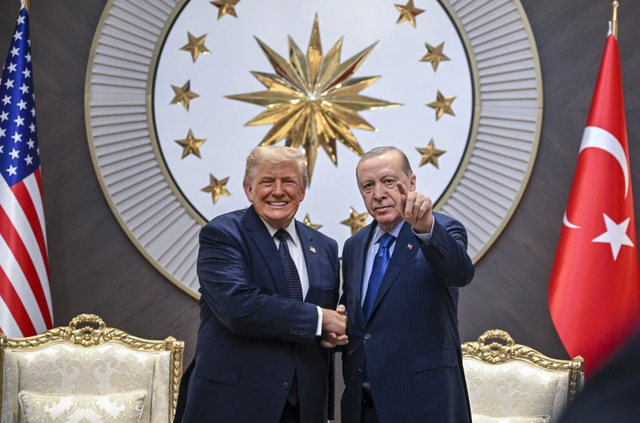
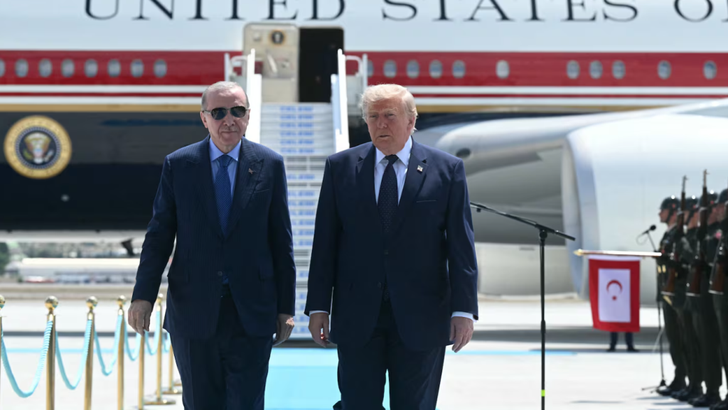
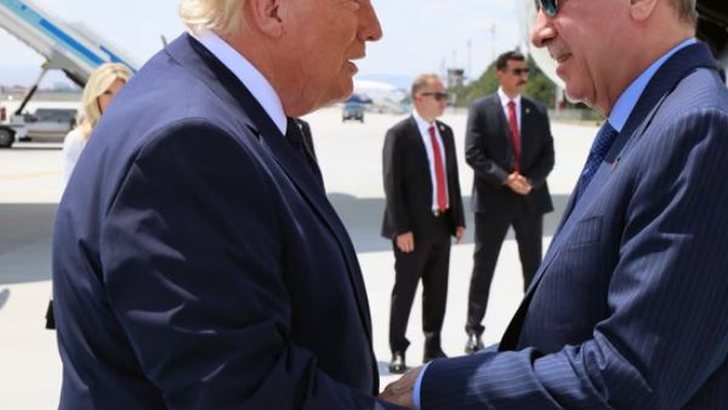
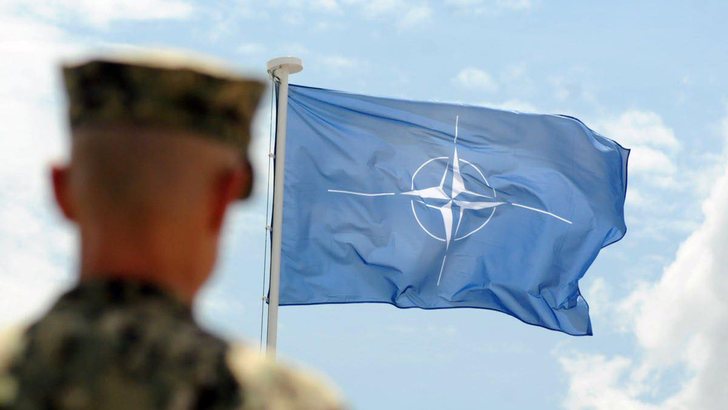
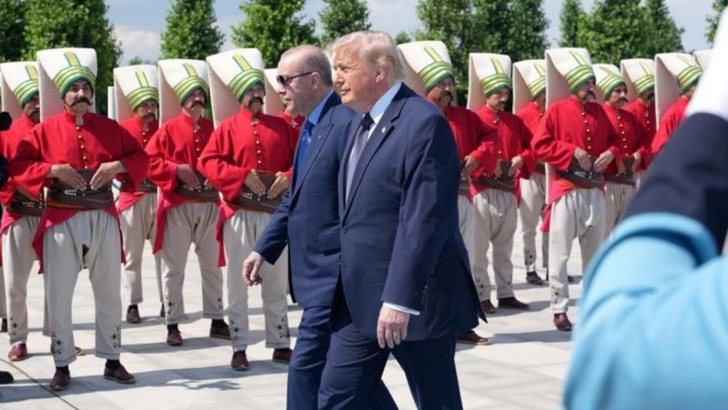
Turkish President Recep Tayyip Erdogan enters the NATO summit with the ambition to present Turkey as one of the main pillars of Euro-Atlantic security and as the most important actor for crisis management in the Middle East.
The organization of the summit at the Presidential Palace in Ankara marks a symbolic moment for the Turkish leader, who after more than two decades in power aims to further strengthen his country's international clout.
Although Turkey has been a member of NATO since 1952, its relations with the alliance have repeatedly experienced periods of tension. The 1974 invasion of Cyprus, opposition to the use of Turkish territory in the 2003 Iraq war, the purchase of the Russian S-400 system, and disputes over human rights have raised doubts among Western partners about Ankara's strategic orientation. However, whenever threats to European security increase, Turkey's geopolitical importance returns to the forefront.
Turkey's unique geographical position allows it to maintain close relations simultaneously with Russia and Ukraine, with Iran, the Gulf Arab states, Syria and Libya. Ankara is trying to appear as an indispensable mediator in regional conflicts and as the main bridge connecting East and West. At the same time, Erdogan aims to present Turkey as a military power that can contribute to the defense of Europe, at a time when many European countries are seeking to strengthen their capabilities in the face of the Russian threat.
An important part of Turkey's strategy is the concept of so-called "security ownership," promoted by Foreign Minister Hakan Fidan. The idea envisions building a political and military axis between Turkey, Arab countries, and Pakistan, with the aim of making the region less dependent on American military support. However, Erdogan has no intention of leaving NATO. On the contrary, he believes that membership in the alliance gives Turkey more influence and more room to develop an independent foreign policy.
Turkey remains dependent on US military technology. Ankara is seeking a return to the F-35 fighter jet program and the supply of engines for the development of the Turkish Kaan fighter jet. This shows that, despite the rhetoric of strategic autonomy, cooperation with the United States remains essential for the modernization of the Turkish Armed Forces.
On the other hand, many NATO countries view Turkey's role with caution. It has the alliance's second-largest army and a growing defense industry, but its involvement in Middle Eastern conflicts raises concerns that it could draw NATO into crises that are not part of the alliance's traditional objectives.
Ahead of the summit, Ankara is expected to put developments in the Middle East at the center of discussions. The Turkish government argues that the conflicts in Gaza, Syria, Lebanon, the Persian Gulf and the Iranian nuclear program directly affect European security and that NATO cannot remain indifferent to them.
The belief that Israel is increasingly perceived as a destabilizing factor in the region is gaining ground in Turkish government circles. It is alleged that a strategic document has been drafted by the Turkish Foreign Ministry that analyzes the weakening of Israel's regional position and the ways in which Turkey can exploit this development to expand its diplomatic influence. These are claims reported by unidentified sources and do not represent an official position publicly confirmed.
According to the same sources, Erdogan aims to use the summit to convince allies that Euro-Atlantic security cannot be separated from developments in the Middle East and that Turkey is the most important partner in managing these challenges. The message Ankara wants to convey is that the stability of Europe is directly linked to the stability of the region and that Turkey is the actor that can mediate, exert influence and offer solutions.
Whether this strategy will find full support within NATO remains to be seen. The allies appreciate Turkey's military and geographical importance, but at the same time continue to maintain reservations about Ankara's foreign policy and its balancing act between the West and other regional powers. The summit is expected to show whether Erdogan will succeed in transforming this vision into a new strategic direction for Turkey within the alliance.