Is this police force professional and capable of handling violen...
/ 2026-10-16 18:54:07Focus


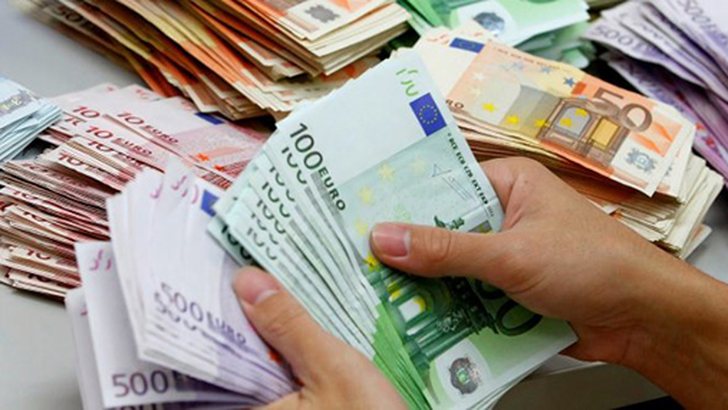
A forgiveness of over 2 billion euros in tax liabilities, fines and late payment interest but without a concrete list, this is how the most important draft law of the fiscal package for 2026 is taking shape.
In a country where every public payment, every tender, every contract has a duty to be transparent, institutions are today adopting a law that allows entities to hide behind large pardons.

The lack of a list of beneficiaries, according to market experts, is serving clientelism and weakening the country's economy.
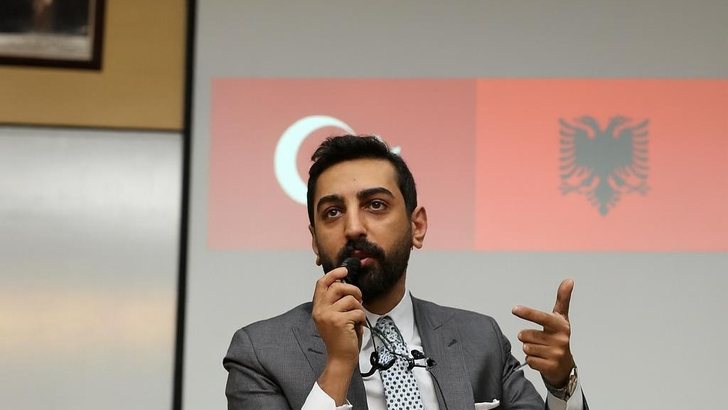
Former Minister of Finance, Arben Malaj , tells Tch that the owner of public money that translates into missing revenue for the budget must be found.
"Publication of the list should be a key prerequisite. Even if it is said that we now have it in law, a clause should be made that no later than March 31, 2026, the Ministry of Finance makes the list public. The only way to reduce to the maximum the negative economic, fiscal, and political effect of pardons is to provide maximum transparency," says Malaj.
Fiscal expert Eduard Gjokutaj says: " At the moment when the public does not know who has been pardoned, why they have been tolerated until now and what the economy benefits, are the small ones burdened or benefit more or will those who have traditionally benefited from amnesties to date benefit, which are not in sync with an implemented model of transparency and accountability ."
The Minister of Finance, Petrit Malaj, has justified the lack of transparency by the tax authorities with the argument that about 90% of the debts were created by companies that no longer exist. But again the ministry that proposed the law refuses to make the names public.
"There is also a critical problem in relation to businesses that pay taxes. Some of the businesses that benefit from the amnesty have left that money with the idea that they will never pay it and have started successful businesses of an abusive nature. It should be the majority of small and medium-sized businesses that have positive effects on reducing unemployment and poverty, while if it is claimed that it is done for companies, it is suspected that it is a lobbied and not useful law," adds Arben Malaj.
It is precisely the lack of public information, according to experts, that leaves open doubts about how the debts were created, who benefited from forbearance, and what the real effect of forgiveness is on the economy and the market.
"The lack of accountability also hides the culprits, because the administration should have reported in a timely manner what was done with public money. A tax evader does not give up being such, he continues in the same way," says Gjokutaj.
The publication of the list of beneficiaries, according to experts, is not simply a technical obligation, but the most important test of the credibility of this package and the fairness felt by thousands of businesses that pay the fees every year.