Protests, violence, curfews: From France to Albania, why Europe'...
/ 2026-10-20 23:47:20Focus


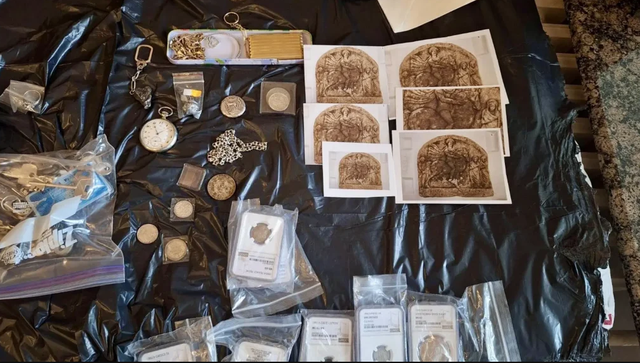
A wide-ranging international operation, which also included Albanian territory, has led to the arrest of 35 people suspected of trafficking rare cultural artifacts worth millions of euros, revealing deep connections to organized crime in the Balkans and beyond.
Bulgaria initially announced this Thursday that it had arrested 35 people linked to a criminal network involved in large-scale trafficking of cultural objects across Europe.
"We have conducted 131 checks. Within 24 hours, 35 people were detained, we found thousands of objects of cultural value, with the number continuing to grow, and over 50 antique weapons," Boyan Raev, head of the General Directorate for the Fight against Organized Crime (GDBOP), said at a press conference, Reuters quotes.
Cars, safes and other items were seized as part of this operation. Sofia City Deputy Prosecutor Angel Kanev said at the press conference that the criminal network had operated for more than 16 years in Western Europe, the Balkans (including Albania), the United States and elsewhere.
"So far, over a billion dollars have been identified in the money laundering case," Kanev stated.
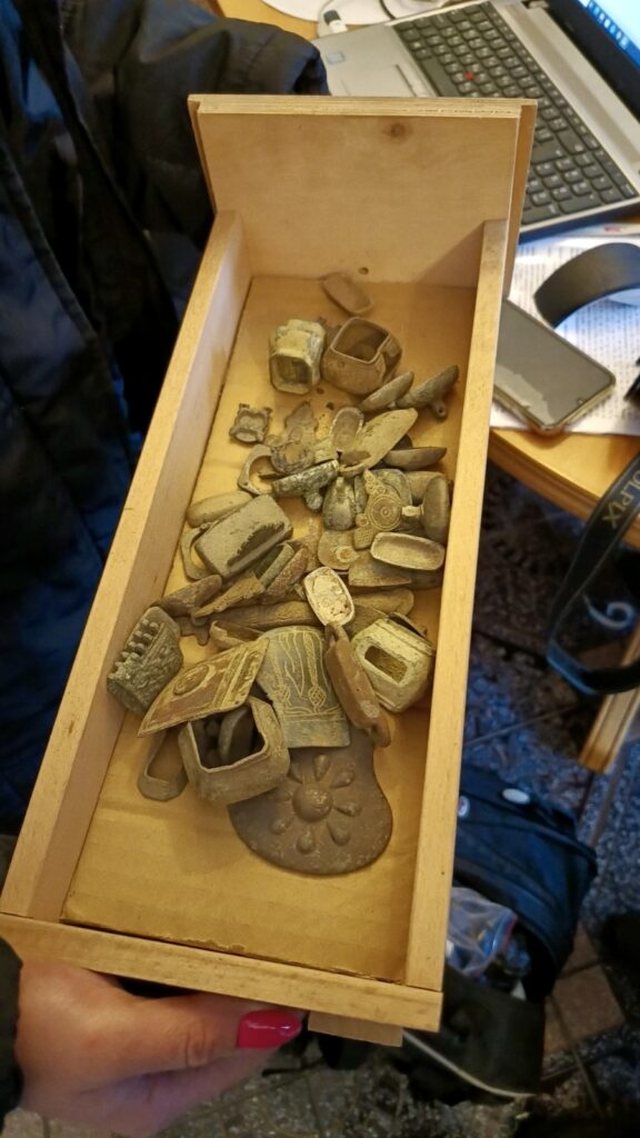
Europol said the investigation began after a house raid in Bulgaria in 2020, during which police seized around 7,000 cultural artifacts of invaluable historical and monetary value. These objects, mainly Greco-Roman and Thracian antiquities, are of exceptional value due to their historical significance.
The lack of clear documentation of the origin of many of them, noted by Bulgarian authorities at the time, raised suspicions of illegal appropriation. Since the seizure, the artifacts have been stored at the Bulgarian National Historical Museum in Sofia, pending further investigation.
Results from the day of action on November 19, 2025:
-35 arrests in Bulgaria
-131 raids, including homes, vehicles and bank safes (1 in Albania, 120 in Bulgaria, 3 in France, 3 in Germany, 4 in Greece)
Seizures involving over 3,000 artifacts (ancient gold and silver coins and other antiquities) with an estimated value of over 100 million euros, works of art, weapons, documents, electronic equipment, over 50,000 euros in cash and investment gold
The main high-value target (HVT) in this case is suspected of financing illegal excavations in Bulgaria and neighboring Balkan countries. Local looters, allegedly working for intermediaries acting on behalf of the HVT, are believed to have been involved in the illegal operations. The art collection seized in 2020 includes unique objects, some of which date back to 2000 BC, such as masks, military equipment, jewelry, vases and goblets from the Thracian and Greco-Roman civilizations. Most of the artifacts had no documentation of origin, while only a few had questionable documents issued by auction houses and art galleries around the world, mainly in France, Germany, the United Kingdom and the United States.
Europol task force to connect the dots across borders
Since June 2024, at the initiative of the Bulgarian authorities, Europol has established an operational task force to facilitate information exchange, coordination and analytical support. The work of the task force has led to the identification of links between individuals located in different countries as well as the localization of other artefacts believed to have been trafficked by members of the network. New investigations have also been initiated in some of the eight countries participating in the task force. On the day of the action, Europol deployed two experts to Sofia, Bulgaria, to support the coordination of cross-border activities and to provide analytical support and expertise.
Balkan heritage: a fertile ground for art theft
The Balkan region and Italy, rich in ancient history, are home to priceless Greek and Roman archaeological treasures that have long attracted criminal networks. These criminal actors, often made up of local cells, engage in looting, theft and laundering of stolen artefacts through the art market. The art market is particularly vulnerable to criminal activity due to high demand from collectors and those seeking to launder illicit funds.
Governments face challenges in combating illegal excavations due to the complexity of the art market and the difficulties in verifying the origin of cultural and artistic objects. Criminal networks exploit these loopholes, bypassing due diligence checks to introduce looted artifacts, including those from conflict zones such as Syria and Iraq, onto the market. Traffickers have developed methods to sell and launder these illegally acquired artifacts, posing a major threat to the preservation of cultural heritage.
International cooperation and information exchange between national authorities are vital to uncover illegally obtained antiquities, dismantle art trafficking networks, and preserve cultural heritage for future generations.