Is this police force professional and capable of handling violen...
/ 2026-10-16 18:54:07Focus


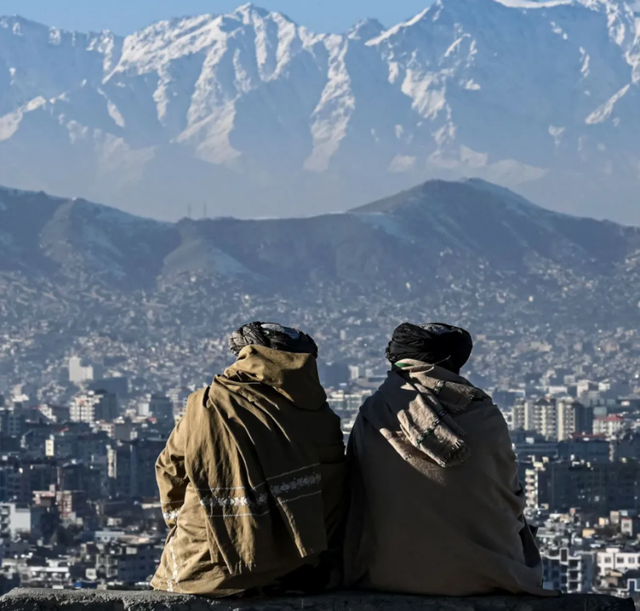
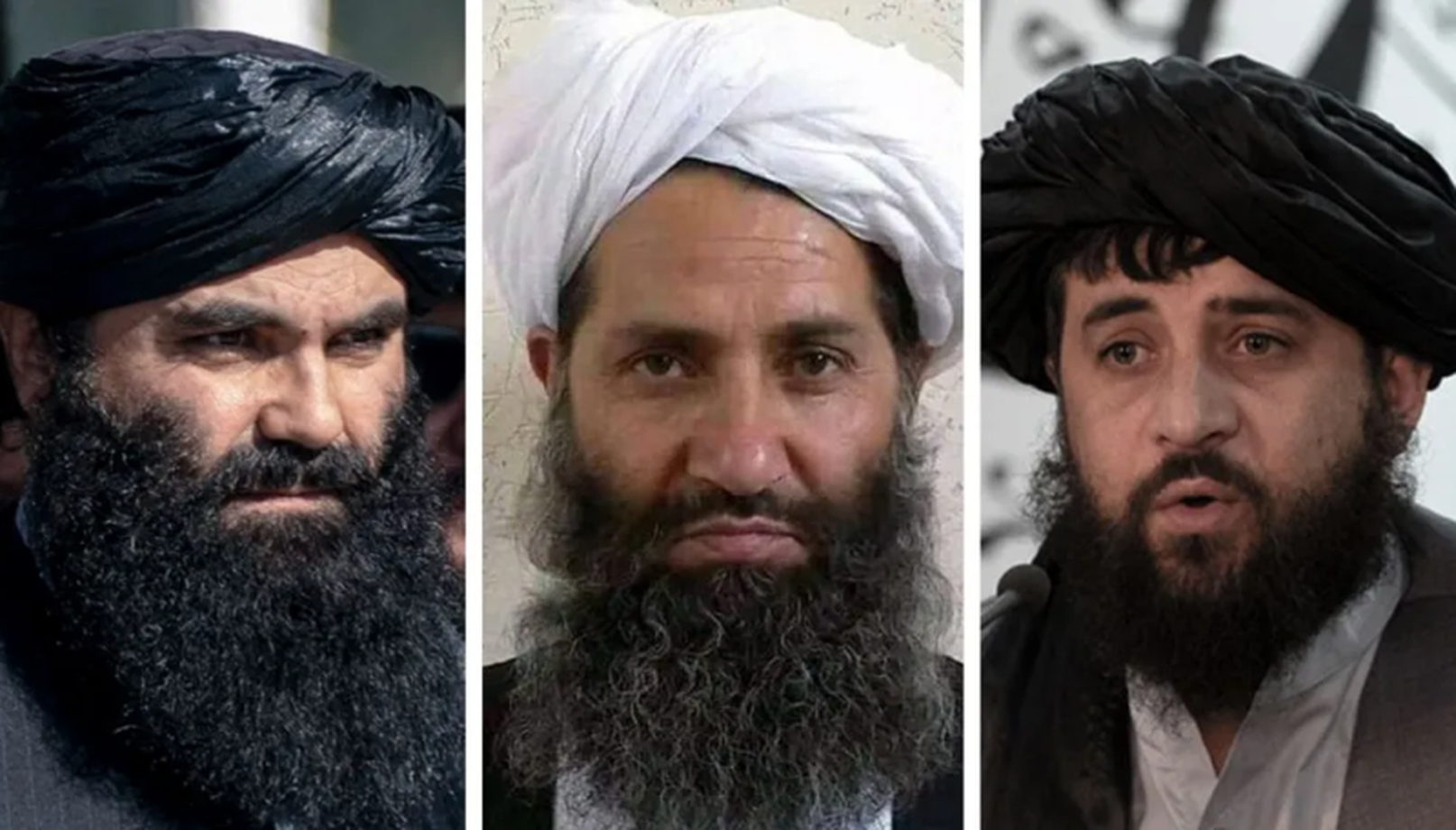
An audio recording obtained by the BBC has revealed that the Taliban leader's biggest concern comes not from outside Afghanistan, but from within the movement itself that took power after the overthrow of the previous government and the withdrawal of US forces in 2021.
In this leaked audio, the Taliban's supreme leader, Hibatullah Akhundzada, is heard warning of internal divisions among members of the Islamic Emirate's government. He says these divisions could lead to the collapse of their own government.
"As a result of these divisions, the emirate will come to an end," he is heard saying.
The speech was delivered in January 2025 at a madrasa in the southern city of Kandahar and further fueled rumors that had been circulating for months about serious disagreements at the top of the Taliban.
Officially, the leadership has always denied these divisions, even when asked directly by the BBC.
However, these suspicions prompted the BBC's Afghan service to conduct a year-long investigation, with more than 100 interviews with current and former Taliban members, local sources, experts and former diplomats. Their identities are not being made public for security reasons.
For the first time, the BBC has managed to clearly show the existence of two different groups at the helm of the Taliban, each with a different vision for the future of Afghanistan.
The first group is completely loyal to Akhundzada, who rules from Kandahar and is pushing the country towards a very closed state, with strict religious rules and complete control of society by clerics loyal to him.
The second group, known as the “Kabul group,” consists of powerful Taliban figures operating mainly in the capital. They support an Afghanistan that, while religious and conservative, is connected to the world, develops the economy, and allows girls and women to be educated beyond primary school.
An inside source described this clash as "House of Kandahar versus House of Kabul."
For a long time, it was thought that the Kabul group would never dare to openly challenge Akhundzada, who according to the Taliban is considered an absolute ruler, responsible only to God.
But everything changed in late September, when Akhundzada ordered the shutdown of the internet and telephony throughout Afghanistan, cutting off the country from the rest of the world. After three days, service was restored without any official explanation.
According to inside sources, behind this was an unprecedented confrontation: the Kabul group had acted against the direct order of the supreme leader and restored the internet.
An Afghanistan expert said that obedience to leadership is a core part of the Taliban and that this action was “something previously unimaginable.” One source called it outright insurgency.
Akhundzada was elected leader in 2016 as a conciliatory figure, with two powerful deputies: Sirajuddin Haqqani and Yaqoob Mujahid, the son of Taliban founder Mullah Omar. But after taking power, both were relegated to ministerial roles, while Akhundzada concentrated power solely on himself.
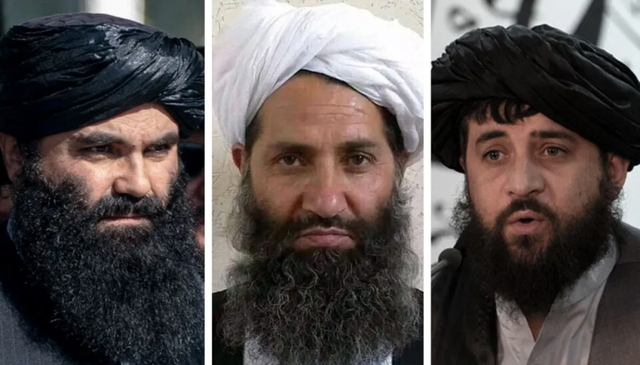
He began issuing orders without consultation, including banning education for girls and restricting women from working, which became a major source of tension.
Meanwhile, the Kabul group, made up of figures who have seen the world and understand international reality, believes that the country cannot survive in isolation. They are not liberals, but pragmatics.
The internet shutdown was a turning point because it directly affected their power, trade, and interests. For the first time, they acted together and overturned an order from Akhundzada.
After that, speculation increased: would Kabul's ministers be punished, or was it Akhundzada himself who withdrew for fear of discord?
Officially, the Taliban deny any split. Their spokesman called it all “a disagreement like within a family.” But recent speeches, with conflicting messages from senior figures, indicate that the clashes continue.
The question still remains unanswered: Will these words and opposition be transformed into concrete actions for change?
So far, the answer is: not yet!