Is this police force professional and capable of handling violen...
/ 2026-10-16 18:54:07Focus


The US appears to be heading towards another attack on Iran, as a few hours after beginning the process of evacuating hundreds of soldiers from Al Udeid Air Base in Qatar, the largest US air base in the Middle East, the Pentagon reportedly ordered the aircraft carrier USS Abraham Lincoln and the destroyers accompanying it to leave the South China Sea where they are located and head towards the Middle East.
As analysts explain, Washington strengthens its naval presence in the targeted area before each attack.
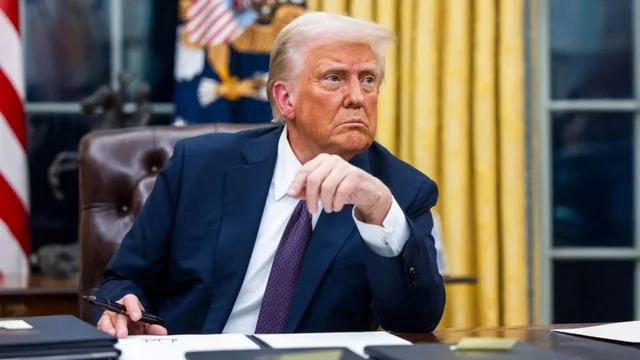
According to NBC, Donald Trump has told his national security team that he wants any US military action in Iran to deliver a quick and decisive blow to the regime and not provoke a protracted war that would last for weeks or months.
"If he does something, he wants it to be final," said one of the sources quoted by NBC.
However, Trump's advisers have so far failed to guarantee that the regime in Tehran would collapse quickly after a US military strike, according to a US official and two people familiar with the ongoing discussions.
At the same time, there is concern that the US may not have all the tools it would need in the region to defend itself from the aggressive Iranian response that administration officials expect.
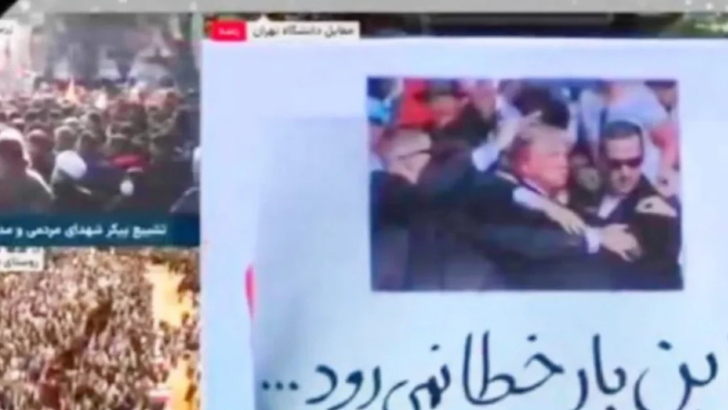
What American officials fear is that an Iranian regime, weakened by weeks of nationwide protests and facing a possible collapse, could be far more dangerous in retaliating against American forces in the region and their allies, such as Israel.
This dynamic could lead Trump to authorize a more limited US military strike on Iran, at least initially, while maintaining options for escalation if he decides to take any military action, the sources said.
On Wednesday evening, Trump told reporters that the Iranian regime had stopped killing protesters and suspended plans for executions, which he said could provoke a military response from the United States.
"We have been briefed by very high-ranking sources on the other side and they have told us that the killings have stopped and the executions will not take place. I hope that is true. Who knows?" Trump said.
When asked if that meant military action was no longer on the table, Trump replied: "We'll watch and see how the situation develops."
Asked about Trump's instructions to aides on his intentions in Iran, a White House official told NBC: "All options are available to President Trump in dealing with the situation in Iran," adding that US military operations in Iran last year and in Venezuela this month show that he "means what he says."
At the same time, the US Embassy in Jerusalem issued a security alert, noting that, “given the ongoing regional tensions,” US citizens are urged to exercise increased vigilance and reconsider any travel plans in the event of unrest.
The statement emphasizes that United States citizens should reassess the need for travel, taking into account developments in the security environment, as well as the potential impact that unforeseen situations may have on their travel.
At the same time, the Embassy urges American citizens to make appropriate decisions for themselves and their families, emphasizing the need for personal responsibility and preparation in case the situation worsens.
At the same time, according to Politico, the British Embassy in Tehran has been temporarily closed and staff will work remotely for a while, as reported by an embassy spokesperson.
Italy, Spain and Poland are urging their citizens to “immediately leave Iran” due to the situation in the country. Poland warned its citizens against “travel to and through the Persian Gulf and the Middle East.” There are about 600 Italians in Iran, most of them in the Tehran area.
For its part, Tehran sent a warning to the US president through Foreign Minister Abbas Araghchi, who during an interview with Fox News regarding the message he would like to send to Trump responded:
"My message is don't repeat the same mistake you made in June. If you try a failed experiment again, you will have the same result."