"Condemned" protesters?! Who trapped Rama inside the Prime Minis...
/ 2026-10-23 16:02:00Focus


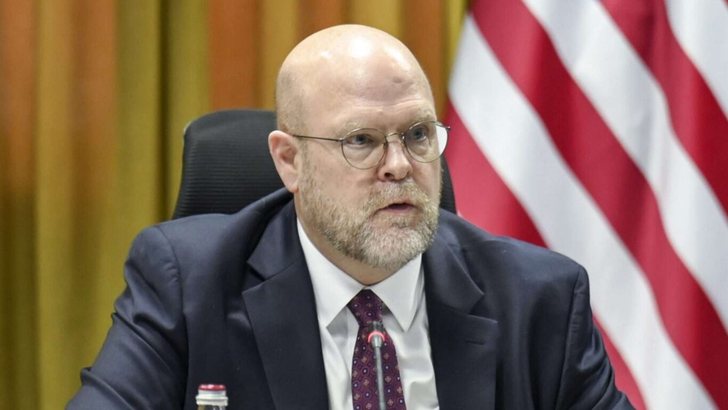
Former top U.S. diplomat James Hooper said Prime Minister Albin Kurti sees Serbia as a permanent enemy of Kosovo and considers the idea of compromise with Belgrade as a "virtual betrayal."
In an interview with the Telegraph, he says that for Kurti the dialogue is not an opportunity for reconciliation, but as a means of restoring Kosovo's maximum demands.
Kurti has no interest in leading Kosovo into a confrontation with the West that would surely follow a decision by him to leave the Dialogue. He has managed to remain engaged in the dialogue process, hampering progress in the talks. Thus, the EU, Serbia and Kosovo participate in a diplomatic process that all understands to be empty, but that frees them from the need to build support for alternative policies that are likely to carry the risks of failure" - said the former DASH official.
Meanwhile, Serbian President Aleksandar Vucic, represents a pragmatic vision of dialogue, viewed as a means of opening the doors to EU membership.
However, Cooper says Serbia's confidence in the seriousness of the EU has been shaken, which brings Vucic into an uncertain center – between choosing to make concrete steps towards the EU and preserving the status quo to keep the dreams of the Serbian people alive.
"The dialogue continues as a kind of 'zombie' diplomacy where neither side plays its full cards and where EU leaders excuse their actions from long-term commitments rather than addressing core issues," he said.
If Serbia were not admitted to the European Union, Vucic could make a historic turn where he would have to formulate a new path — "one that could bring him back to a model of The Marshal Tito-era Yugoslav identity.