How Belinda Balluku is fabricating the rumor about Top Channel's...
/ 2026-10-19 16:19:00Focus


Western allies of the United States are reacting with caution and hesitation to US President Donald Trump's efforts to involve NATO in confronting Iran, emphasizing that there is no quick solution to the crisis created in the Persian Gulf.
By Paul Adams - BBC
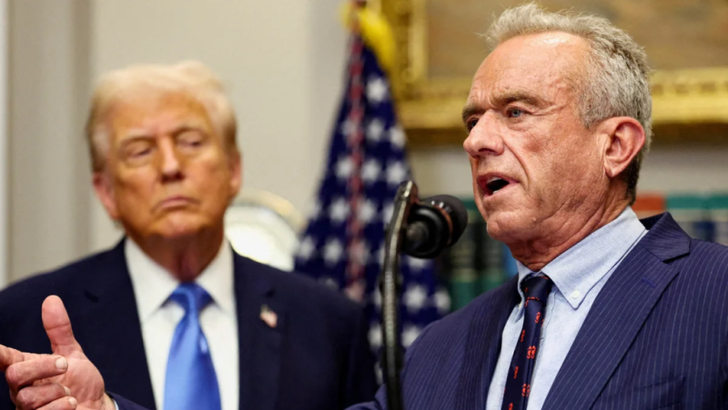
Trump's recent comments, in which he warned that failure to secure control of the Strait of Hormuz would be "very bad for the future of NATO," have raised doubts among European partners about the role the alliance should play in this conflict.
Former British Chief of Defence Staff Nick Carter has stressed that NATO was created as a defensive alliance, not as a mechanism that forces member countries to pursue a war chosen by a single state. According to him, the idea of allies automatically being involved in a conflict initiated by a member is not what the alliance was created for.
Reactions from Europe have been direct. In Germany, government officials declared that war with Iran “has nothing to do with NATO.” German Defense Minister Boris Pistorius even questioned the effectiveness of the European fleet’s contribution, saying that some European frigates cannot do what the powerful American navy has failed to do.
However, the situation in the region is deteriorating. Iran's effective blockade of the Strait of Hormuz, except for a few ships carrying oil to allies such as India and China, is putting enormous pressure on the global economy and forcing Western governments to urgently seek a solution.
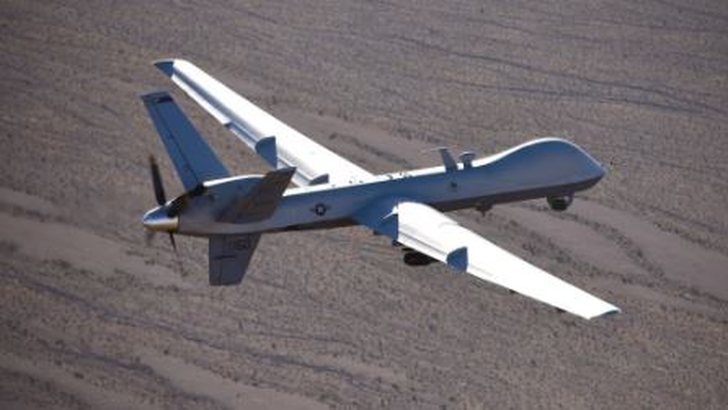
British Prime Minister Keir Starmer said talks with the US, European partners and Gulf states were ongoing to develop a workable plan, but stressed that no concrete decisions had yet been made. He mentioned the use of autonomous systems for detecting and neutralizing naval mines, including naval drones, which could perform this task without endangering crews.
The problem is that mine clearance is no longer a priority for many modern navies. Military expert and former commander of the British Royal Navy, Tom Sharpe, warned that new British technologies have not yet been tested in real combat conditions. The last major naval mine clearance operation by Western countries took place in 1991 after the Persian Gulf War, and it took 51 days to clear the area of mines.
Meanwhile, Iran has a wide range of capabilities to threaten maritime transport: from armed fast boats and suicide naval drones to coastal missiles. Iranian media have also published images showing large warehouses of boats and drones hidden in underground tunnels, suggesting that Tehran has long been preparing for such a scenario.
President Trump has hinted that keeping the strait open could also require attacks on Iranian targets along the coastline. The US has already struck several ships suspected of laying mines in Iranian ports. However, it is hard to imagine that many of Washington's allies would agree to participate in such military operations, especially if they involve troops on the ground.
In this tense climate, some European countries are considering sending ships to escort commercial vessels in the region. The EU's foreign policy chief, Kaja Kallas, suggested that the mandate of the European naval mission Operation Aspides be expanded to increase security in the Persian Gulf. The mission was created in 2024 to protect shipping from threats from Houthi rebels in the Red Sea, but currently includes only three warships.
However, enthusiasm for expanding the operation is limited. Some countries such as Spain and Italy have expressed doubts, while Germany is seeking more clarity from the US and Israel about the military objectives of the campaign against Iran before discussing new security measures.
French President Emmanuel Macron is among the European leaders most open to a more active role, raising the possibility of creating a coalition to guarantee freedom of navigation in the region. However, even Paris has stressed that any such operation could only take place after the most severe phase of the conflict is over.