How Belinda Balluku is fabricating the rumor about Top Channel's...
/ 2026-10-19 16:19:00Focus


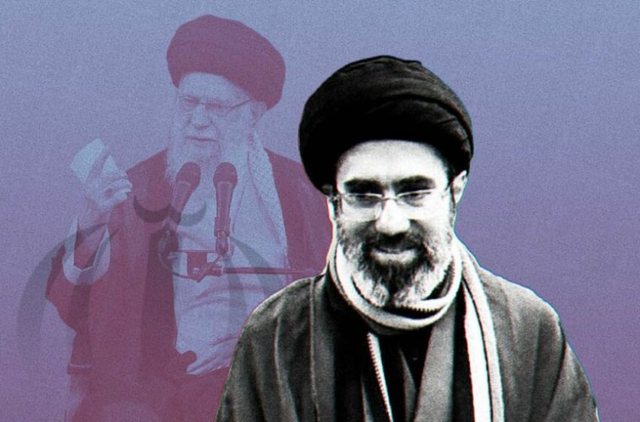
US intelligence agencies suspect that Iran's new supreme leader, Mojtaba Khamenei, may be gay. The news was published by the American media outlet New York Post, which cited sources from the intelligence community and the White House.
According to the report, the information was considered reliable by American services and was also presented to President Donald Trump during a classified briefing at the White House. When told that Khamenei may be homosexual, Trump was surprised and burst into laughter.
Three different sources told the newspaper that the claim is not seen as disinformation to discredit the Iranian leader, but as information coming from one of the most protected sources of the US government.
Two of them say intelligence suggests that Mojtaba Khamenei may have had a years-long affair with a childhood teacher. Another source says the affair may have been with a person who previously worked for the Khamenei family.
According to the report, suspicions about Mojtaba Khamenei's sexual orientation have long circulated in Iran, especially after the 2024 helicopter crash that killed then-President Ebrahim Raisi, who was considered the preferred successor to Supreme Leader Ali Khamenei.
A 2008 US diplomatic cable, published by WikiLeaks, also mentions that Mojtaba had received medical treatment in the UK for impotence problems. The document says that he married relatively late and it took him several visits to London for treatment before his wife became pregnant.
According to the New York Post, US intelligence has no photographic evidence for these claims, but sources insist that the information is solid and supported by very reliable sources.
The irony, according to the report, is that in Iran, homosexual relations are illegal and punishable by death. In the past, people accused of homosexuality have been publicly hanged as a warning to others.
Even former Iranian President Mahmoud Ahmadinejad declared in 2007 that "there are no homosexuals in Iran."
Mojtaba Khamenei was elected supreme leader on March 8 after the death of his father, Ali Khamenei, who had led Iran since 1989. He is considered a very powerful figure within the Iranian system and has often been called "the power behind the religious veil," as for years he controlled access to his father and the regime's most important decisions.
However, the private life of Iran's new leader remains one of the most controversial topics in international political and intelligence circles.