How Belinda Balluku is fabricating the rumor about Top Channel's...
/ 2026-10-19 16:19:00Focus


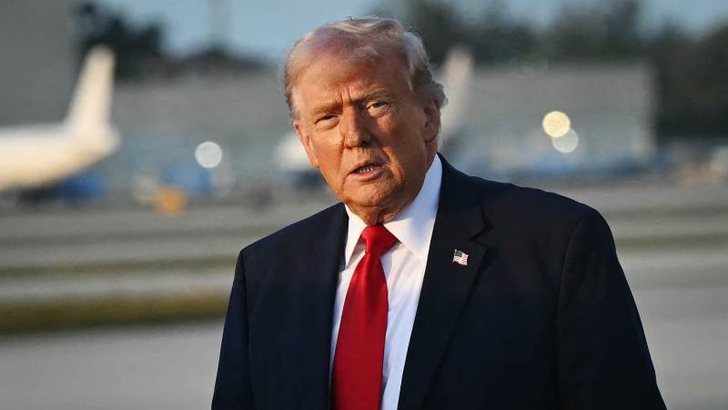
US President Donald Trump is facing a major dilemma two weeks after deciding to go to war with Iran. He must choose between two options: continue the war to achieve the ambitious goals he has declared, or try to get out of a conflict that is widening and bringing major military, diplomatic and economic consequences.
Trump has quickly discovered that both paths are problematic and fraught with consequences that he and his team had underestimated when the US became involved in this war alongside Israel, the largest conflict in the Middle East in about a quarter of a century.
On the one hand, he can continue the war against a weakened Iran, which has shown itself capable of increasing the economic cost to the US and its allies. Iran has managed to destabilize global energy markets and strike targets in several countries in the region.
But continuing the war risks more American lives, increases financial costs and could damage relations with allies. Even within Trump's political base, concern is growing, as he has promised to avoid getting the US involved in new wars.
On the other hand, Trump may try to withdraw from the conflict, although many of the declared objectives have not yet been achieved. According to American officials, the joint US-Israeli operation has achieved several important results: a large part of Iran's missile arsenal has been destroyed, air defenses have been neutralized, and the Iranian navy has been severely damaged. In addition, Iran's supreme leader, Ayatollah Ali Khamenei, has been killed.
However, the Iranian regime remains in power. According to the latest information, his wounded son has taken over, and he has vowed to continue the war through asymmetric methods: cyberattacks, naval mines, and missile strikes in the region. The Revolutionary Guard and its militias remain active.
If Trump decides to withdraw now, another major problem remains: Iran's stockpile of enriched uranium, which could be used to make nuclear weapons. Iran is estimated to have enough material to make about 10 nuclear bombs. US Secretary of State Marco Rubio has suggested that this material may have to be taken in a ground operation, a very dangerous one.
Meanwhile, the war is taking its toll. So far, 13 American soldiers have been killed and more than 2,100 people in total, most of them in Iran. The number of civilians killed in Iran alone is estimated at over 1,300.
The US has sent an additional 2,500 marines to the Middle East, bringing the military presence in the region to about 50,000. The US strikes also hit Kharg Island, the main port from which most of Iran's oil is exported.
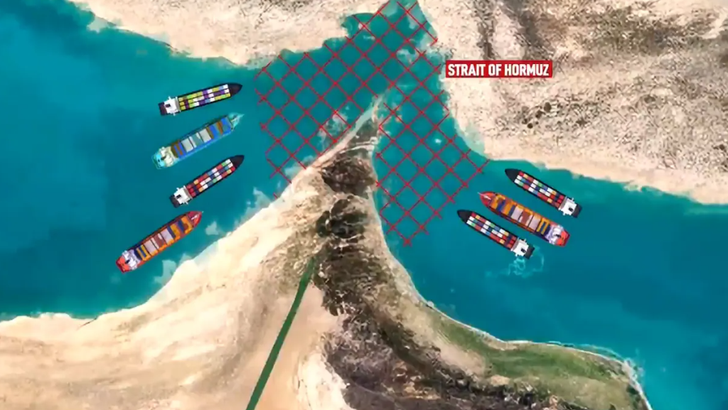
Një tjetër problem i madh është Ngushtica e Hormuzit, një nga rrugët më të rëndësishme detare për tregtinë globale të naftës. Pas sulmeve dhe kërcënimeve iraniane, trafiku detar aty është pothuajse ndalur. Trump u ka bërë thirrje vendeve si Kina, Franca, Japonia, Koreja e Jugut dhe Britania që të dërgojnë anije për të mbrojtur kalimin në këtë ngushticë.
Sulmet janë përhapur edhe në rajon. Një port i madh nafte në Emiratet e Bashkuara Arabe u godit nga një dron, ndërsa ambasada amerikane në Irak është sulmuar dy herë në ditët e fundit.
Vetë Trump ka dhënë mesazhe kontradiktore për luftën. Ndonjëherë ai thotë se lufta është pothuajse e fituar, ndërsa herë të tjera pranon se luftimet e vështira janë ende përpara. Ai ka deklaruar se vendimet për të vazhduar apo për t’u tërhequr do t’i marrë duke ndjekur “instinktin”.
Administrata amerikane ka pranuar gjithashtu se Irani ka më shumë aftësi sesa pritej për të destabilizuar ekonominë globale, veçanërisht duke kërcënuar mbylljen e Ngushticës së Hormuzit.
Nga ana ushtarake, Pentagoni thotë se SHBA ka epërsi të plotë ajrore dhe se shumica e forcave konvencionale të Iranit janë shkatërruar. Irani tashmë po lëshon rreth 90% më pak raketa dhe 95% më pak dronë sesa në fillim të luftës.
Megjithatë, edhe i dobësuar, Irani ka ende aftësi për të krijuar kaos, sidomos përmes sulmeve ndaj transportit detar dhe përmes luftës kibernetike. Sulme të tilla kanë goditur edhe kompani amerikane, ndërsa autoritetet po hetojnë edhe disa incidente të dhunshme brenda SHBA-së që mund të jenë të lidhura me tensionet e luftës.
Ndërkohë janë shfaqur edhe tensione mes SHBA-së dhe Izraelit. Washingtoni kishte paralajmëruar Izraelin të mos godiste depot e mëdha të naftës pranë Teheranit, nga frika se kjo do të çonte në përshkallëzim të sulmeve ndaj objekteve energjetike në rajon. Por Izraeli i goditi ato gjithsesi, duke shkaktuar rritje të çmimeve të naftës dhe sulme hakmarrëse nga Irani.
Edhe fronti i dytë në Liban kundër Hezbollahut ka krijuar mosmarrëveshje. Administrata Trump mendon se kjo e zgjeron konfliktin, ndërsa Izraeli beson se është momenti i duhur për të goditur grupin e mbështetur nga Irani.
Ndërkohë, Trump dhe kryeministri izraelit Benjamin Netanyahu flasin pothuajse çdo ditë, ndërsa presidenti amerikan është në kontakt edhe me liderë arabë, veçanërisht me princin saudit Mohammed bin Salman.
Në javët e ardhshme Trump do të duhet të marrë dy vendime shumë të rëndësishme: nëse do të pushtojë ishullin Kharg, qendrën kryesore të eksporteve të naftës iraniane, dhe nëse do të urdhërojë një operacion për të marrë rezervat e uraniumit të pasuruar të Iranit.
Kapja e ishullit Kharg do t’i jepte SHBA-së kontroll mbi eksportet e naftës iraniane dhe do të godiste rëndë ekonominë e vendit, por do të kërkonte një prani të gjatë ushtarake në rajon.
The operation to retrieve the uranium would be a single, but even more dangerous, operation. The nuclear material is located in deep tunnels in Isfahan, and it would require a very complex operation to extract it from there without risking a radioactive incident.
For now, Trump says he has not yet made a decision on the operation. And that suggests the war could last much longer than initially anticipated. (New York Times)