Is this police force professional and capable of handling violen...
/ 2026-10-16 18:54:07Focus


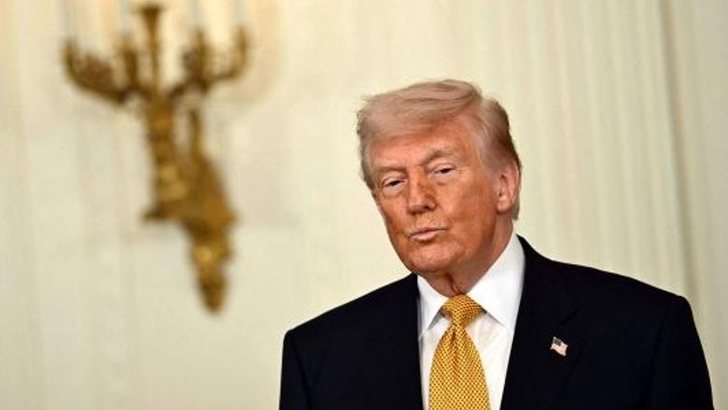
US President Donald Trump's preliminary agreement with Iran to end the conflict is causing deep concern in Israel, where part of the political and security establishment considers it a failure for the country's strategic objectives, according to an analysis published by the New York Times.
The American newspaper notes that the agreement does not achieve any of the main goals that Israel had announced in relation to Iran. Among them are the absence of regime change in Tehran, the lack of restrictions on the Iranian ballistic missile program, Iran's continued support for allied groups in the region, and the fact that the issue of the nuclear program has been postponed to later negotiations.
"Iran emerged stronger and I believe it is now the dominant regional power," the newspaper quoted Chuck Freilich, former deputy national security adviser to Israel, as saying, calling the result "an Iranian victory over the US and Israel."
The analysis also notes that the agreement provides for the withdrawal of American forces from the vicinity of Iran, which, according to critics in Israel, could be interpreted by Tehran as a political and strategic victory.
Another element that has caused reactions is the prospect of sanctions relief and the flow of significant funds to Iran. According to critics of the agreement, these financial resources could be used to rebuild military capabilities and support Iran's allies in the Middle East.
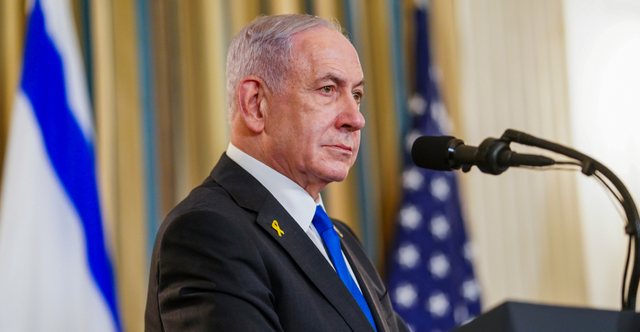
The New York Times also focuses on the relationship between Trump and Israeli Prime Minister Benjamin Netanyahu. According to the newspaper, the agreement has highlighted the limits of Netanyahu's influence over the American administration, despite the political closeness that has characterized the relationship between the two leaders.
The analysis cites recent statements by Trump, who has described Israel as the "lesser partner" in the relationship with the US and suggested that Tel Aviv should show more restraint in relation to regional conflicts.
However, the newspaper notes that this is mainly the view of Israeli critics of the deal.
The Trump administration argues that Iran has suffered significant military damage, that the war has been stopped without a regional escalation, and that future negotiations will also address the nuclear issue.
In conclusion, The New York Times analysis suggests that the real debate will not be whether the war ended, but whether Iran is emerging from this process weaker militarily or stronger politically – a question that is expected to dominate discussions in Israel and the region over the coming months.