Protests, violence, curfews: From France to Albania, why Europe'...
/ 2026-10-20 23:47:20Focus


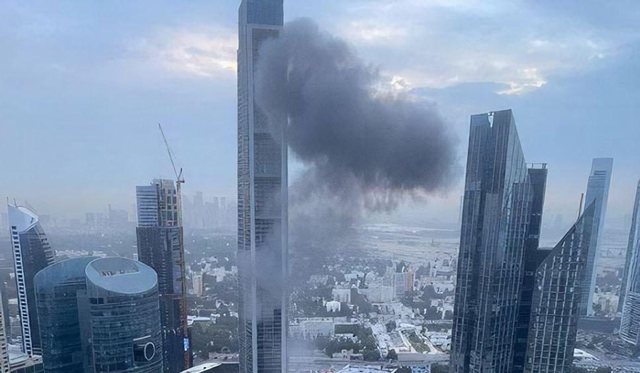
Dubai's real estate market, one of the world's most dynamic investment hubs, is facing new pressures as geopolitical tensions in the region rise. Some market analysts warn that, in a scenario of prolonged conflict in the Middle East, property values in the emirate could suffer a sharp decline during 2026.
According to recent estimates, the Dubai real estate market index has already fallen by around 20%, erasing almost all of the price increases recorded during 2025. After a long period of rapid growth, many investors are now being cautious, hesitant to buy properties that could lose another 30–50% of their value in the coming months.
Analysts warn that if tensions in the region escalate and the war drags on, the price decline could deepen even further. In such a scenario, Dubai properties could fall by up to 50% by the summer of 2026, while in the event of a protracted conflict, the decline could reach 60–70%.
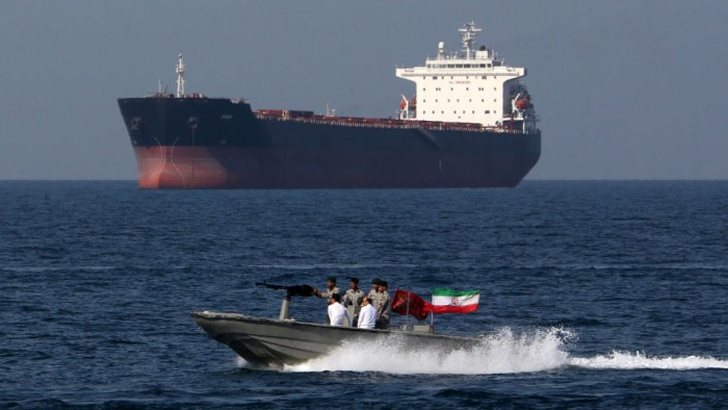
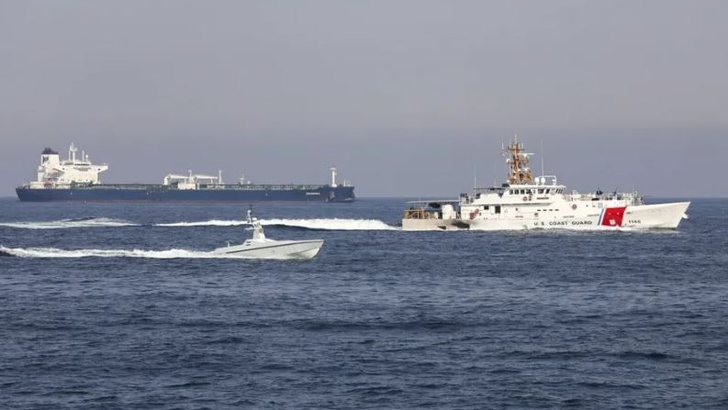
One of the main factors that has increased uncertainty is the security situation in the Persian Gulf, especially tensions with Iran and the risk to energy transport through the Strait of Hormuz, a strategic corridor through which a large part of global oil and gas trade passes.
In this climate of uncertainty, some international investors have begun to shift capital towards other markets that are perceived as more stable. Investors from East Asia have directed funds towards financial centers such as Singapore and Hong Kong, while European and Russian investors are looking for alternatives in countries such as Turkey, Thailand and Cyprus.
According to market sources, some segments of Dubai's economy that supported demand for luxury properties have shrunk significantly, directly affecting the real estate sector. At the same time, some investors have started selling their properties at reduced prices to minimize potential losses.
For many analysts, the current crisis has shaken one of the key elements that made Dubai attractive to global capital: the perception of stability in an often volatile region. Its geographical proximity to major Middle Eastern powers and exposure to regional tensions have significantly increased the perceived risk for investors.
However, some experts emphasize that the scenario of a deep collapse remains primarily linked to the escalation of the conflict.
If tensions ease and stability returns to the region, Dubai's real estate market could stabilize, although a return to previous levels may take time.