Protests, violence, curfews: From France to Albania, why Europe'...
/ 2026-10-20 23:47:20Focus


Several European countries have begun talks with Iran to ensure the safe passage of their ships through the Strait of Hormuz, one of the world's most important energy corridors.
The news is reported by the Financial Times, citing officials briefed on the diplomatic efforts.
According to the report, the initiative aims to resume energy shipments from the Persian Gulf without further escalating the conflict in the region.
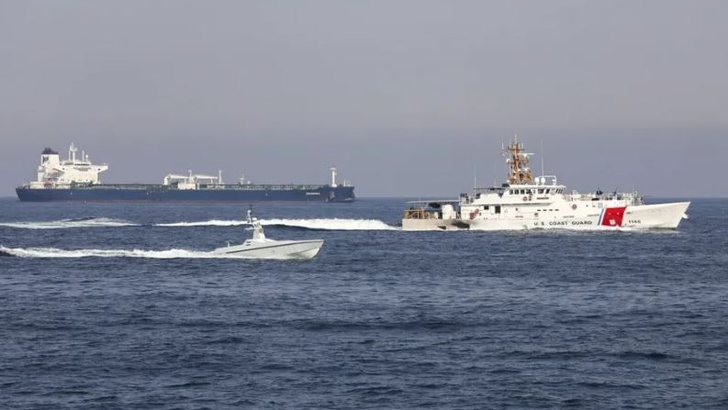
Traffic through the strait - through which about a fifth of the world's oil and liquefied natural gas usually passes - has fallen sharply after Iranian attacks on tankers and statements to keep the strait closed.
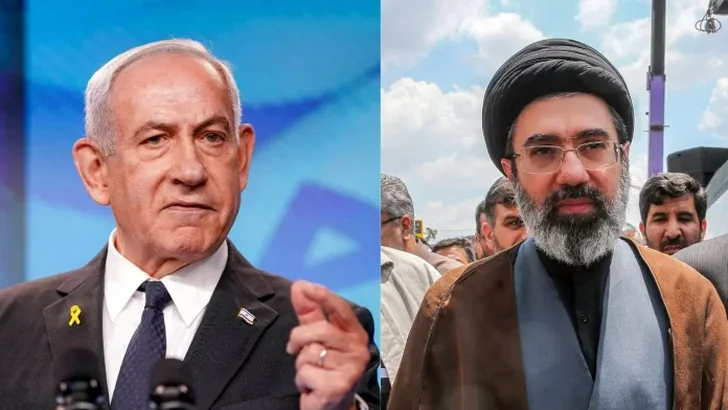
The situation further tensed after Iran's new supreme leader, Mojtaba Khamenei, vowed to keep the strait blocked.
European diplomatic efforts
Three officials quoted by the Financial Times said European capitals are considering ways to restart energy exports, including the possibility of ships being escorted by Western fleets.
France has been confirmed as one of the countries participating in these discussions.
Italy has also attempted to open channels of communication with Tehran on this issue.
However, within Europe there are different positions on how to handle the situation. Some countries support dialogue with Iran to avoid escalation, while others are skeptical of direct engagement.
"Some think we should talk to the Iranians. But EU states have very different views on this, which makes it more complicated," an official told the Financial Times.
UK officials said London was not in direct talks with Iran. However, Foreign Secretary Yvette Cooper is holding discussions with Gulf countries to ensure continuity of oil supplies.
Possibility of ship escort
French President Emmanuel Macron has signaled that France could offer escort to merchant ships if tensions in the region ease.
Meanwhile, Italian Defense Minister Guido Crosetto told Italian media that Europe is trying to present a joint request to Iran to allow neutral ships to pass safely through the strait.
The Strait of Hormuz remains a key point for global energy trade, and any blockage of it has the potential to cause major consequences for international oil and gas markets.