Is this police force professional and capable of handling violen...
/ 2026-10-16 18:54:07Focus


If Donald Trump ever had control over the war he started with Iran, he now appears to have lost it.
According to an analysis published in The Atlantic magazine by Tom Nichols, Iran has taken the initiative in this conflict and is setting the terms of the confrontation, constantly challenging the American administration.
The ceasefire announced by Trump last month, which aimed to calm international markets and avoid political pressure in the US Congress, did not really work, as according to the analysis neither side completely stopped the attacks.
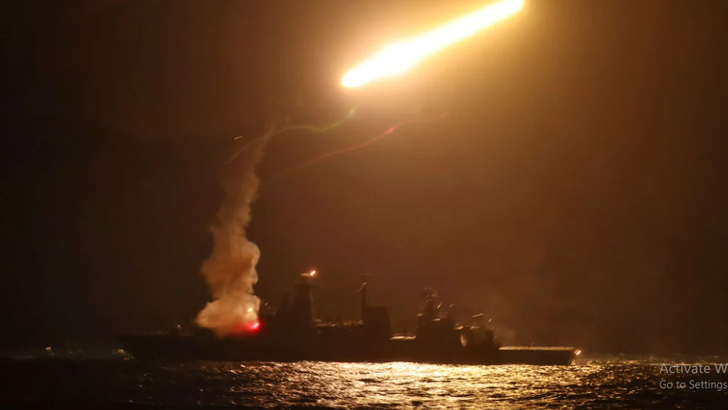
The conflict has now returned to a protracted standoff, with the sides exchanging limited strikes. Iran has hit several vessels in the Strait of Hormuz, while the United States has carried out attacks on dozens of targets on Iranian territory.
Meanwhile, the Islamic Revolutionary Guard Corps claims to have struck US-linked targets in Bahrain and Kuwait.
According to Nichols, Iran is acting like a state waging a war, not simply reacting to it. Tehran, he writes, is calculating the costs and risks, pursuing concrete objectives: regime survival, control of the Strait of Hormuz, and the preservation of its nuclear program.
Meanwhile, the US administration is accused of entering this conflict without a clear strategy. The analysis argues that Washington's decision-making was based on erroneous assumptions and the expectation that the Iranian regime would quickly fall.
According to the author, Trump and senior US defense officials have ignored previous warnings from the military and intelligence community about Iran's possible response, including closing the Strait of Hormuz, an action that could directly affect the global economy and energy supplies.
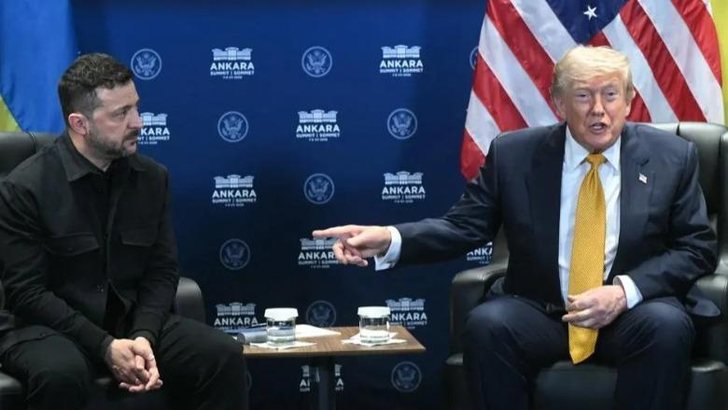
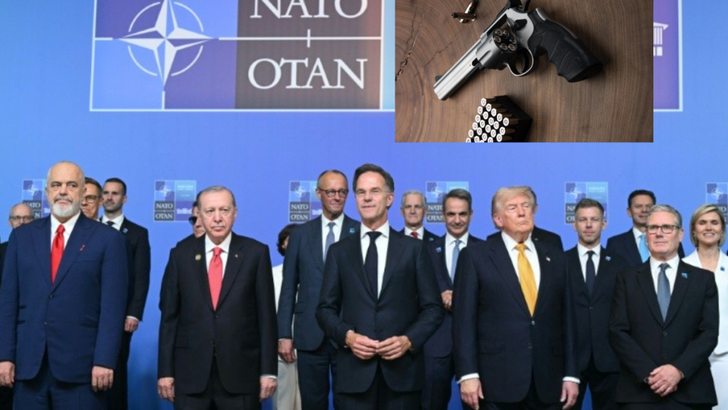
At the NATO summit in Ankara, Trump faced questions about the future of the conflict and negotiations with Iran. According to the analysis, his statements have been contradictory, ranging from threats of new attacks to expressing a desire not to get involved in a long-term war.
Nichols argues that this behavior does not indicate the direction of a conflict by a leader in control of the situation, but a reaction to developments created by other parties. According to him, the American president is facing the limits of his influence on a war that has already taken on a dynamic of its own.
The analysis also raises concerns about Trump's statements about the possibility of broader military operations, including the occupation of Kharg Island or attacks on Iranian infrastructure. The author warns that hitting civilian objects with the aim of exerting pressure on the population would constitute a violation of the international laws of war.
In conclusion, Nichols writes that the United States does not currently have full control over the situation and that Iran is exploiting the uncertainty created to strengthen its position.
According to him, the conflict has moved from the phase of denial and anger to attempts at negotiation, but without concrete results, while the main challenge for Washington remains the restoration of a clear strategy in the face of an adversary that seems to be dictating the pace of the war.