"The fate of the homeland is in our hands" - An appeal by Ismail...
/ 2026-10-18 16:09:54Focus


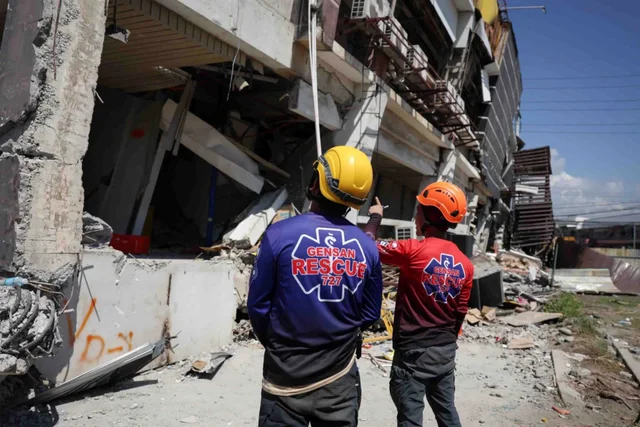
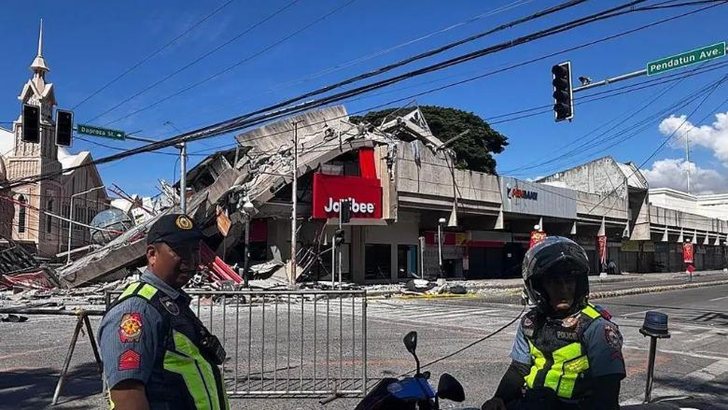
Rescue teams continued to search through the rubble of collapsed buildings in the southern Philippines on Tuesday to ensure no one was trapped, a day after one of the strongest earthquakes to hit the country in half a century.
The earthquake has left at least 37 dead and displaced more than 20,000 people. According to authorities, only four people are missing in southern areas near the epicenter of the 7.8-magnitude quake.
However, the Civil Protection Office has stressed that collapsed and severely damaged buildings should be carefully checked to see if there are still survivors or other victims.
The earthquake struck off the coast of Mindanao, the second most populous island in the Philippines. About 500 people were injured and more than 20,000 were forced to flee their homes, most of them taking shelter in emergency shelters.
Many residents fled for fear of a tsunami. Waves of up to 1.4 meters above normal sea level were recorded in the Philippines, although the only reported damage from the tsunami was to a few houses built on stilts in a coastal village. Smaller waves were also recorded in Indonesia, Palau and as far south as Japan.
The earthquake also caused widespread damage on the ground, including in General Santos, a coastal city of more than 700,000 people known as the country's industrial hub. At least 13 people were killed there by collapsing buildings and falling debris.
In Sarangani province, at least 18 people were killed, mostly in a landslide in the mountainous town of Glan. Other casualties were reported in South Cotabato and Davao Occidental provinces, as well as on Balut Island.
About 2,000 homes and 117 government buildings have been damaged in several other provinces, according to preliminary estimates.
General Santos International Airport has been temporarily closed, forcing the cancellation of dozens of flights, except for those for humanitarian purposes. About 6,000 school buildings in the affected areas must be inspected before classes can resume. The earthquake struck on the first day of the school year after the summer holidays, and many of the injured were students.
Authorities have warned that buildings with cracks could collapse from aftershocks, some of which have been quite strong.
Monday's earthquake was the strongest in the Philippines since 1976, when a similar earthquake in the same sea area caused about 8,000 deaths, followed by a devastating tsunami with waves up to 8-10 meters.
The Philippines is located on the Pacific's so-called "Ring of Fire," an area of high seismic activity, making the country highly exposed to earthquakes and volcanic eruptions. The country is also hit by about 20 typhoons and tropical storms each year, making it one of the most disaster-prone countries in the world.