Details of the storm in the administration, here's who will resi...
/ 2026-10-22 22:25:00Focus


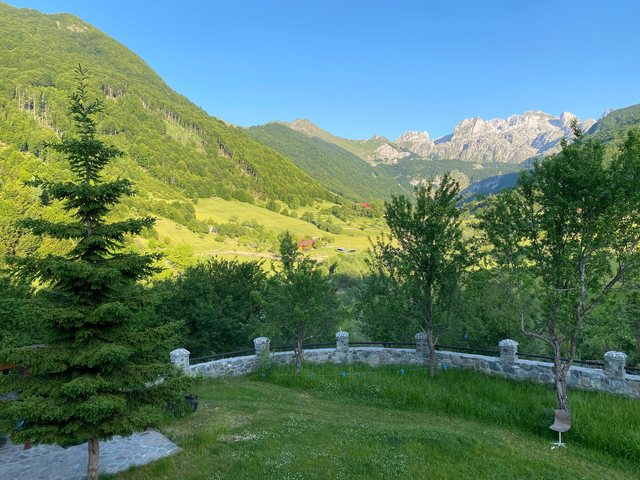
With a single student in school, no doctors, and lingering infrastructure and property problems, the idyllic village of Lëpusha is being abandoned year after year by residents despite the growing number of tourists.
Prime Minister Edi Rama has a habit of posting two or three times a year about Lëpusha, the village in the Alps at the northernmost tip of Albania. “Lëpusha like a heart,” Rama wrote in January of this year on Facebook, at the top of a post with photos of children playing in the snow.
The carefully selected postcard views present an idyllic atmosphere. But beyond them, Lëpusha, like many similar villages across the country, is being abandoned every year.
Despite the growing number of tourists, the number of residents choosing to live in Lëpushë is ever smaller. Meanwhile, those who remain there face systemic problems that have been unresolved for decades.
“There are 500 problems here, there is no electricity, there is no stable water, people have fled en masse,” says Tonin Shkoza, 55. “There are no roads, no health center, there is nothing,” he adds.
The turnout in the last three elections shows how the village is gradually being abandoned. In 2021, 141 people voted in Lëpushë, in 2023 122 voted, and in the elections in May of this year there were only 100 voters. Even more telling is the lack of children in school.
"A 9-year school operates in the village of Lepushë, in which 1 student is currently enrolled," the municipality of Malesia e Madhe told BIRN in a written response.
Residents say that while tourists are on the rise, infrastructure is neglected, healthcare is lacking, and the isolation in winter leaves them hopeless.
Without students and doctors
Suela, 10 years old, is the only student left at the 9-year-old school in Lëpusha. She lives in a world that she doesn't share with anyone else her age and is alone in class every day. The girl says she has three hours of lessons every day, without any friends.
He walks to school, and in winter, this is very difficult.
"There's knee-deep snow, I'm two hours late just getting there and back," says the student, who dreams of becoming a doctor to help the residents of the area.
In fact, the village has no doctor.
The only doctor is in Tamara, about 24 kilometers away or about 36 minutes by car if the road is free of snow or rock blockages that were present when we visited the area.
Xhemina Torozi, the only nurse covering three areas, Lepusha, Budac and Gropat e Selcës, says she faces challenges alone that go beyond her duties. Torozi says she mostly provides home care and, in the absence of an ambulance, transports emergencies in her car.
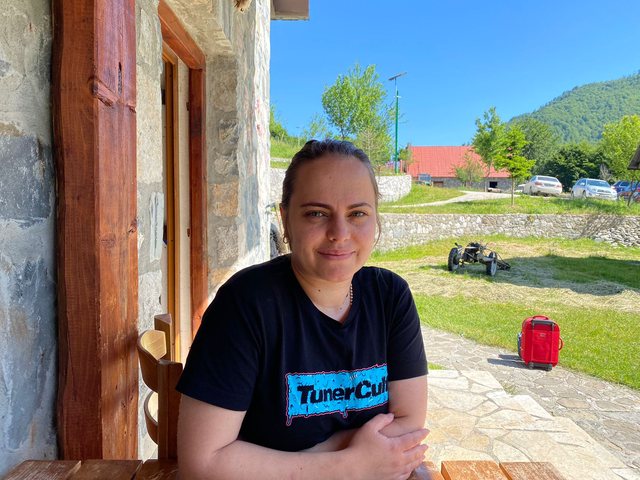
"The health center is functioning, but without conditions: there is no electricity and no water. I have very limited equipment. In emergencies, I pick up patients in my car and take them to Tamara because we don't have an ambulance," she says.
The nurse says that the area is also lacking essential medications for emergency interventions. "There is a lack of basic medicines: antibiotics, syrups, anti-poisoning needles. Tourists buy them or I buy them myself so that I have them on hand," she says.
Torozi says that most of the remaining residents in the area are over 60 and have blood pressure and heart problems. This complicates her job.
Tourism challenges
Unlike the residents of the area, the municipality of Malesia e Madhe claims that people are not leaving, but are returning to Lëpushë. The municipality praises the so-called “Mountain Package” for this, a controversial initiative that only became law in early May.
"This movement is mainly inspired by the 'mountain package', a development initiative that stimulates residents to return to the area through economic benefits," said the Municipality of Malësia e Madhe in a written response.
As presented by the government, the package aims to stimulate the return of residents to invest in their ancestral lands even if they do not have ownership documents, but are only its possessors.
However, the residents of Lëpusha say that the promises from Tirana do not hold much water.
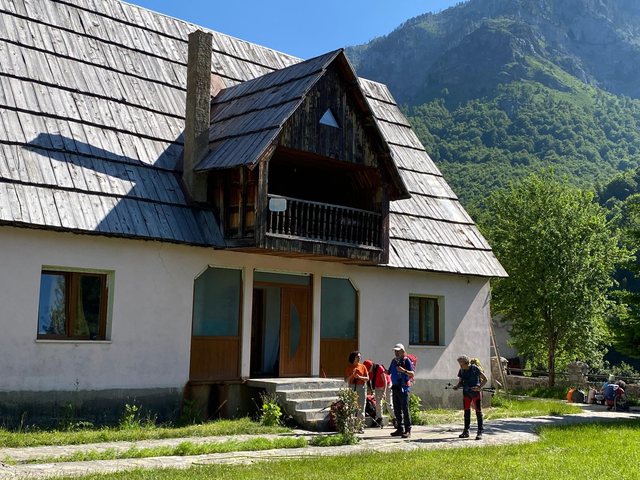
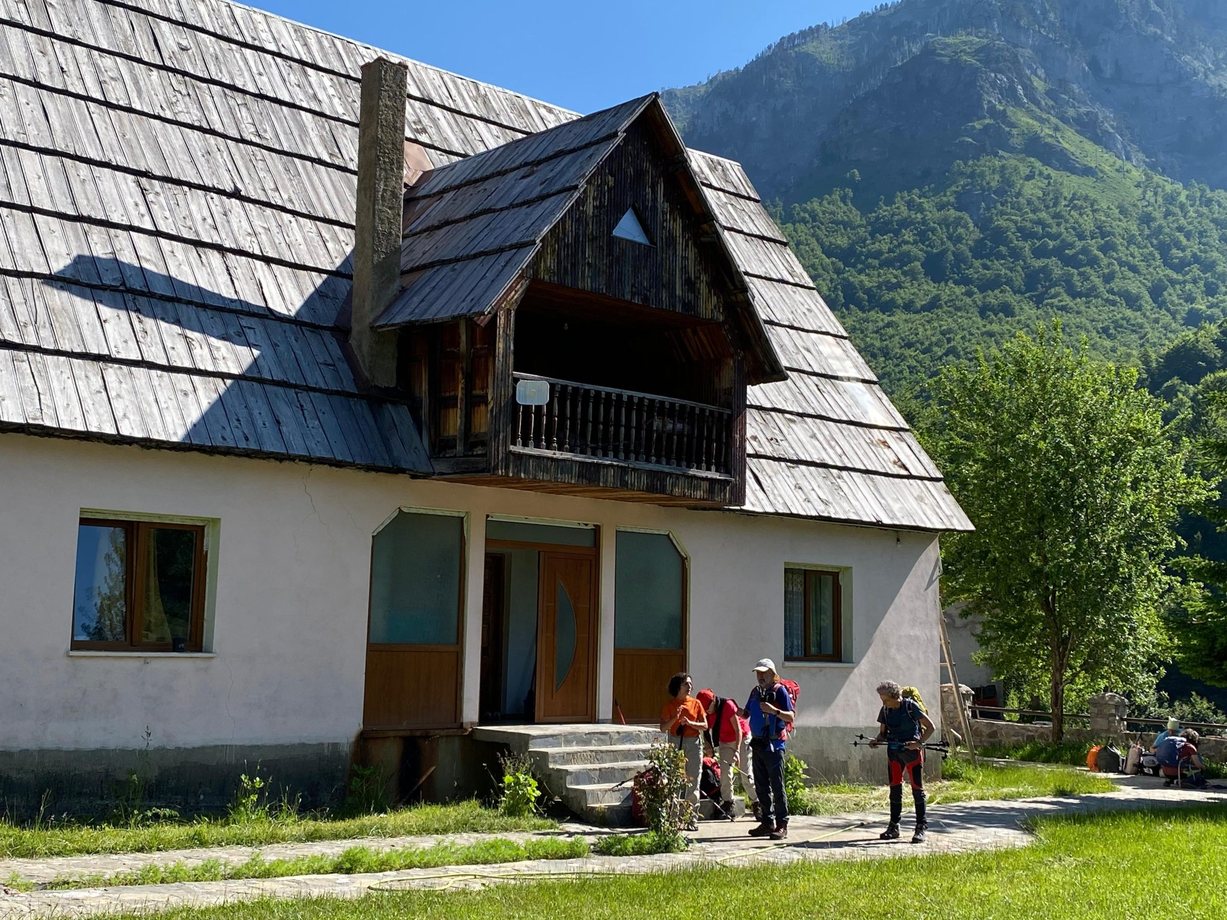
The growing number of tourists and the guesthouse business that keeps Lëpusha's small economy afloat do not inspire optimism. The guesthouses that were established years ago, nine of which are located in Lëpusha, are now having difficulty finding employees.
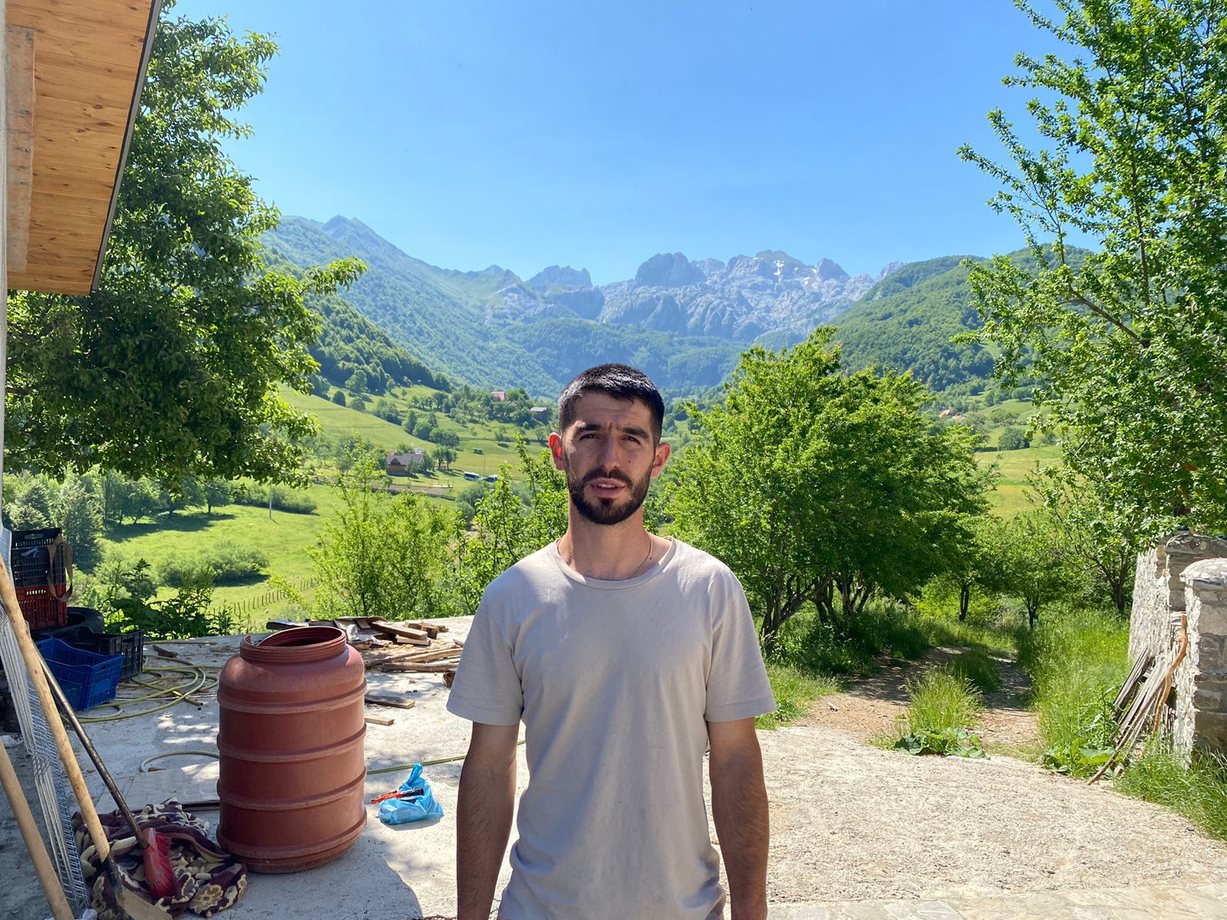
“In the last 12-13 years, the village has been empty, because there is no perspective, no support,” says Lenader Çekaj, 28, who is one of the few young people living off agritourism in the area. Çekaj says his parents and brothers and others who helped in the family business have long since left for America.
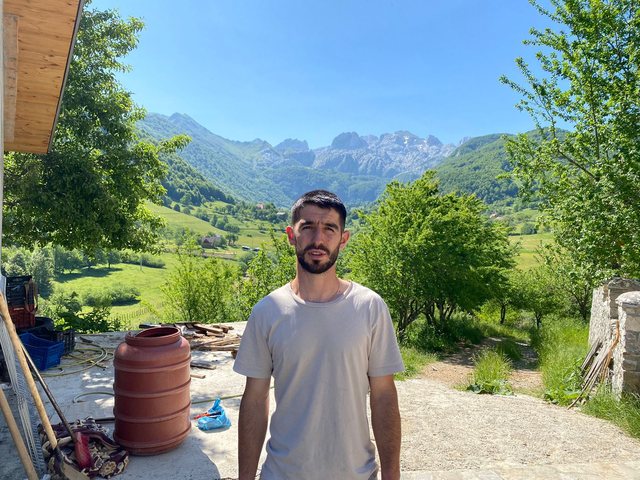
Paradoxically, Çekaj's guesthouse has hired a couple from Argentina this season, who work 3-5 hours a day to have a room, food in the Alps, and time to explore the area.
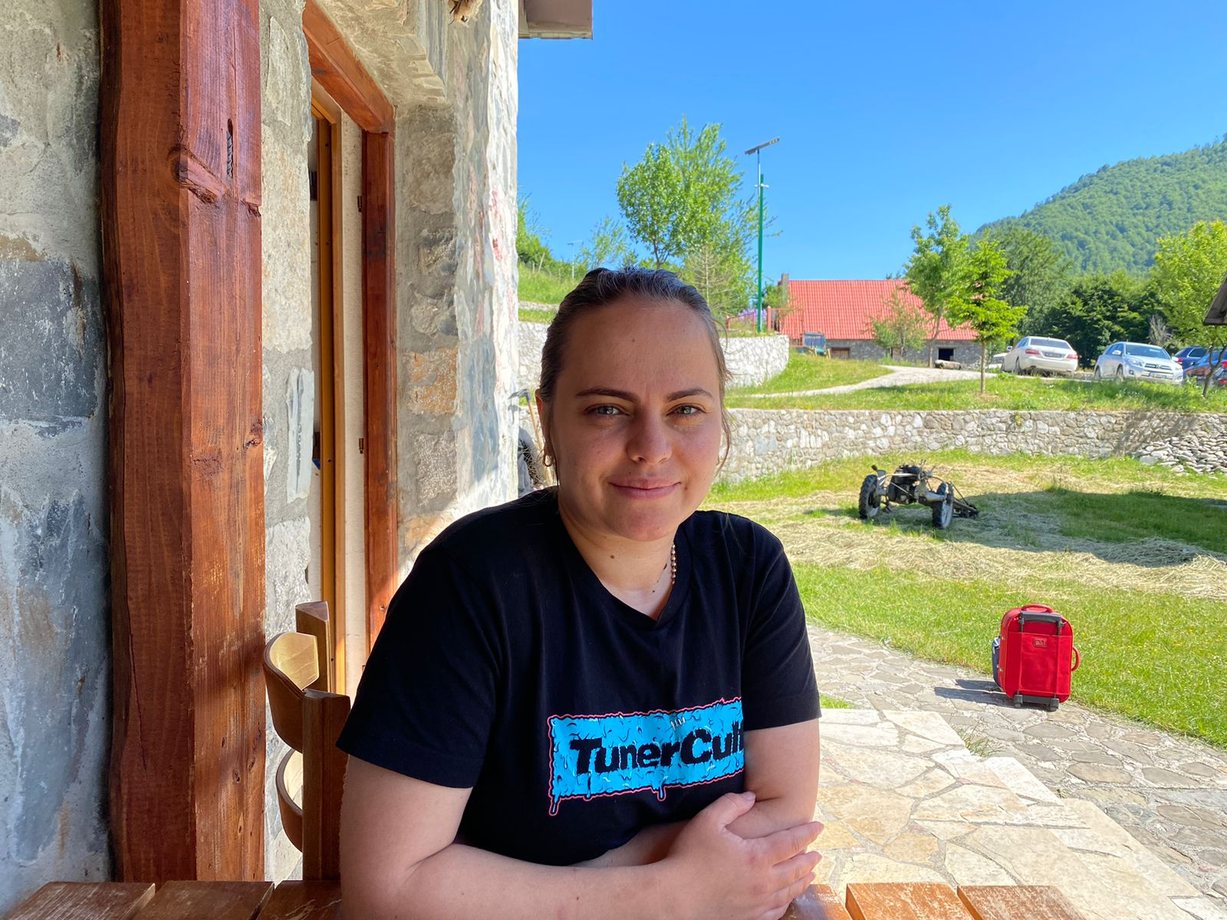
“We work 3 to 5 hours a day,” says Aylen Zamora, who is staying in Lëpushë with her husband. “We clean the tourists’ rooms, we help in the kitchen. But we don’t get tired, on the contrary, we enjoy ourselves. We spend the rest of the day walking and exploring this beautiful place,” she says.
But the couple is only here temporarily and the chances of finding such employees are random.
Tonin Shkoza complains that the state does not allow them to build and develop.
"We pay taxes, but they don't give us the opportunity to develop. Either let us build properly, or come and close everything down. Because they drown us in fines. Don't keep us in the middle, neither here nor there," he says.
Çekaj also says that while ownership among residents is resolved, their property is not recognized and the constructions are still unlegalized.
"I'm very interested, but the answer I got is that you don't own the land. This penalizes us a lot because we don't own our own land," says the young man.
He explains that even though it has been promised to them for years, neither legalization nor efforts have been made to recognize the land as their property. "We don't have a problem with the land, because the land is ours and we have no conflicts with other residents, we want it to be recognized so that we can develop the area. This penalizes us a lot," he says.
And yet, Çekaj insists he will stay.
"I don't want to leave. I've worked to keep this place moving, with people," he concludes.