Protests, violence, curfews: From France to Albania, why Europe'...
/ 2026-10-20 23:47:20Focus


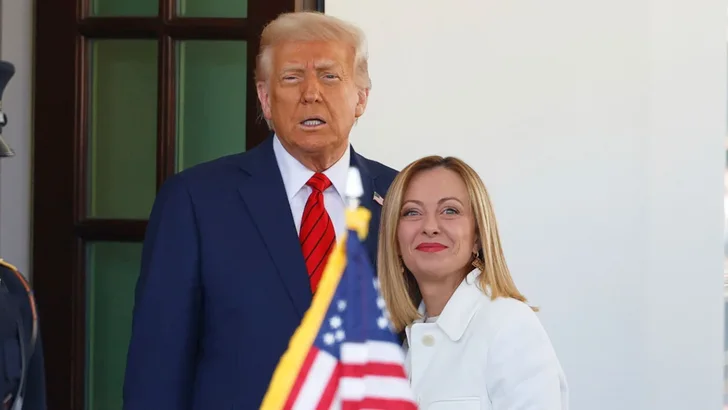
United States President Donald Trump has stated that a ground intervention in Iran is not part of the current military plan, but this possibility is not ruled out.
Trump said Iran is a "paper tiger."
He did not rule out the possibility of sending in special forces to take out the enriched uranium. "All options are on the table. All of them," Trump added in an interview with ABC.
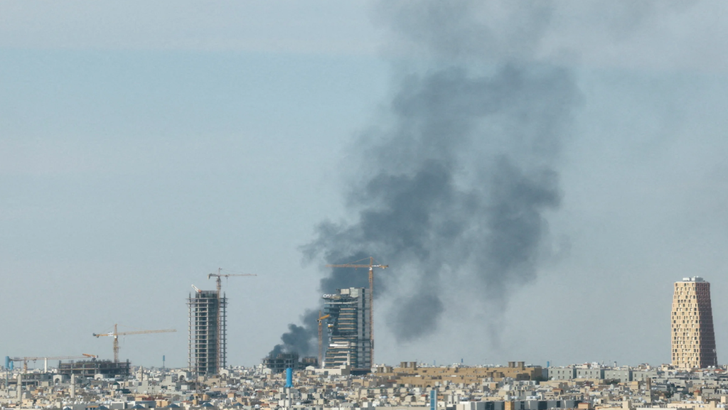
According to the US administration, operations against Iran are currently focused on an air campaign aimed at hitting the country's military and strategic infrastructure. White House spokeswoman Caroline Leavitt said in an interview with Fox News that the US president does not want to take any options off the table, leaving open the possibility of other actions if the situation in the region escalates further.
Meanwhile, tensions in Iran have risen further following the death of the country's supreme leader, Ali Khamenei, who was reportedly killed in an Israeli airstrike in Tehran a few days ago. Following this development, the country has begun the process of choosing a new supreme leader, but some senior Iranian clerics have criticized the delay in announcing a successor. Members of the Assembly of Experts, the 88-member body of clerics that has the authority to choose the Islamic Republic's supreme leader, have called for the process to be expedited to avoid political uncertainty in the country.
Ayatollah Abdullah Kayvani has called for the announcement of the leader by experts to be made as soon as possible, while Ayatollah Javad Jafari described the delay as a sensitive and unwanted issue for the Iranian people. According to CNN reports, some experts believe the delay may be related to the difficulties in physically gathering the assembly members, due to threats of further airstrikes in the country.
On the other hand, another representative of the Assembly, Rahim Tavakol, stated that the members of this institution have fulfilled their duty and that Khamenei's successor will soon be officially announced. Tehran University lawyer Mohsen Borhani emphasized that according to the Iranian Constitution and the rules of the Assembly itself, at least two-thirds of the members must physically participate in consultations for the decision on the new leader to be legally valid.