"We are drowning..." - From Lisbon, Milan to Tirana, "The Guardi...
/ 2026-10-18 23:13:32Focus


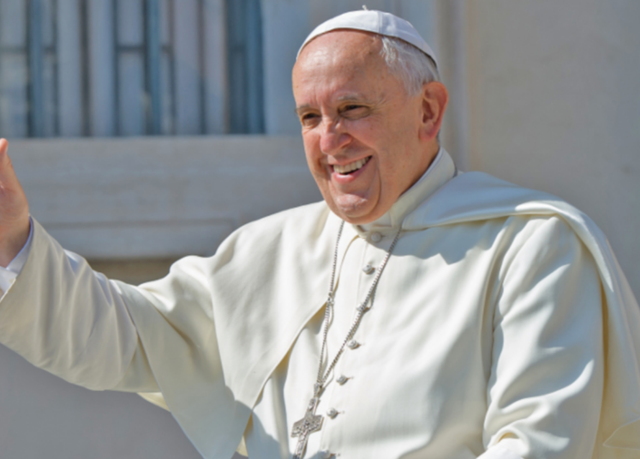
Pope Francis has kidney failure (Renal Insufficiency), continues high oxygen therapy and his condition remains critical, these are tonight's updates on the health condition of the Holy Father, hospitalized since last Friday, February 14 at the Policlinico Gemelli in Rome.
Pope Francis is being treated for bilateral pneumonia, the Vatican press office announced in a new medical bulletin published Sunday evening.
"The condition of the Holy Father remains critical; however, since yesterday evening he has not presented any further respiratory crisis. He has undergone two units of concentrated red blood cells with benefit and an increase in the hemoglobin value. His thrombocytopenia has remained stable; however, some blood tests indicate an initial, mild, renal insufficiency under control" to inform everyone about the Pope's condition after yesterday's severe respiratory crisis, which also required the administration of oxygen and transfusion for thrombocytopenia, the announcement says.
“The Holy Father continues to be alert and well-oriented,” they assure those from the Holy See, adding: “The complexity of the clinical picture and the necessary wait for pharmacological therapies to give some reactions, require that the prognosis remain reserved.” It is also reported that on Sunday morning, “in the apartment built on the 10th floor, he participated in Holy Mass, together with those who are taking care of him during these days of hospitalization.”
The conditions are serious and aggravated by age and the fact that Pope Francis already lost part of his right lung decades ago and has already had pneumonia. The treatments the Pope is undergoing have been modified several times and will require several days of hospitalization.
"He is not out of danger," the doctors had stated at the press conference on the 21st: since he entered the hospital "he was first treated for dyspnea at home from a form of flu. Then he was transferred to the hospital. He is 88 years old and he is tired." "He is like an 88-year-old man. Initially he had no infection, then we did a CT scan and pneumonia appeared," explained Professor Sergio Alfieri during the conference at the Gemelli hospital in Rome.