Teuta's (Albchrome's) 18-year "relationship" with Korai (Kurum's...
2026-11-16 20:39:00Focus


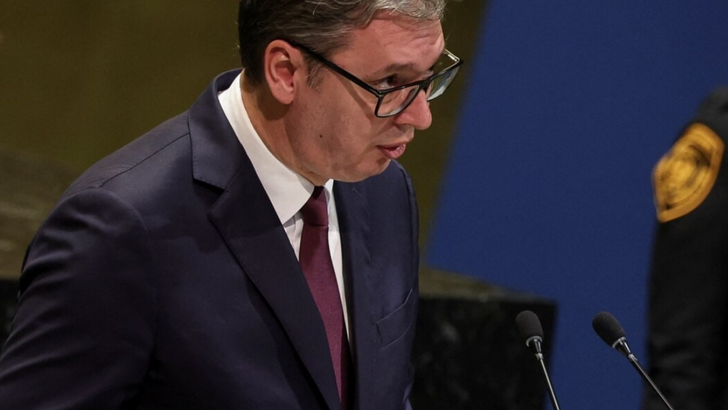
The European People's Party (EPP) is ready to suspend Aleksandar Vučić's Serbian Progressive Party (SNS) from its ranks.
According to EPP officials quoted by the Rapporteur, the Serbian party will be given a one-year deadline to meet a series of demands, from improving media freedom to fighting corruption, or face permanent expulsion from the pan-European organization.
The EPP presidency, an internal decision-making body led by German conservative MEP Manfred Weber, agreed to propose the suspension during a meeting held on Wednesday morning in Brussels. The decision is expected to be formally adopted at the EPP political assembly in early December.
Internal investigation and reform in the opposition
The EPP, which operates separately from its political group in the European Parliament, has been conducting a review procedure since September 2025 to determine whether the SNS continues to adhere to democratic standards. According to a draft document provided by the Rapporteur, the EPP assesses that the SNS can redefine and reform itself while in opposition.
Stopping ties with Moscow: "The SNS leadership must end political cooperation and public political alignment with Vladimir Putin and other senior representatives of the Russian government," the document states.
Justice and political legacy: The EPP calls for an independent criminal investigation into the Novi Sad tragedy, urges Vučić to allow a peaceful transfer of power, and to completely dissociate himself from the legacy of Slobodan Milošević.
Political context in Serbia
The developments come after the Student List secured a surprise victory in Serbia's parliamentary elections last month, removing Vučić from power after 14 years. Vučić had faced years of protests following the collapse of the Novi Sad railway station shelter in 2024, a tragedy that killed 16 people.
During his tenure, Serbia has been moving ever closer to Russia. Meanwhile, the “Student List,” a civic movement made up of young political figures, is planning to hold a referendum on the country’s membership in the European Union in the coming years.