


Is this police force professional and capable of handling violen...
/ 2026-10-16 18:54:07Focus


The handshake did not go unnoticed. On December 19, the Turkish and Iranian presidents warmly greeted each other at a summit in Cairo, just ten days after Bashar al-Assad fled to Moscow.
By supporting the rebels who allowed the fall of Syrian President Recep Tayyip Erdogan, he is now establishing himself as the key player in shaping the future of his neighbor.
Faced with this situation, another neighboring country is preparing. As soon as the Assad regime fell, Israel occupied the demilitarized buffer zone of the Golan, even conducting an incursion into Syrian territory and launching hundreds of attacks against the country's military infrastructure.
The stated objective was to prevent heavy equipment and chemical weapons from falling into the hands of "terrorists".
After leading the rebel offensive, the Islamist movement Hay'at Tahrir al-Sham (HTS) emerged from successive splits with the Islamic State (IS) group and then al-Qaeda, and has expressed solidarity with Hamas in the past. "At this sensitive period, when there is a possibility of achieving the peace and stability that the Syrian people have longed for for many years, Israel is once again demonstrating its occupation mentality," the Turkish Foreign Ministry said in a press release.
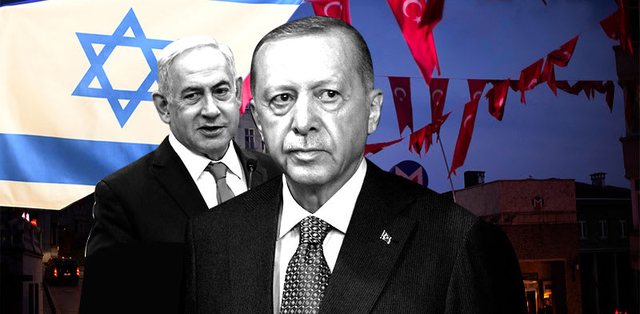
Tension point between Turkish and Israeli heavyweights
The government in Ankara wants to ensure that the Syrian experience is a success, in terms of regional stability and integration, as well as as a means of influence.
“If Israel begins to see the power structure in Syria as a threat to its interests, this could create a major point of difference with Turkey,” suggests Sinan Ülgen, a scholar at the Carnegie Endowment for International Peace.
According to many observers, and despite the threats, Israel would have preferred a weakened Bashar al-Assad on its border, which has remained quiet since the Golan secession agreement signed in 1974 with his father.
HTS leader Abou Mohammad al-Jolani appeared to give assurances to the Jewish state to extinguish any pretext.
While calling on the international community to "act urgently" to guarantee Syria's sovereignty, he said that "our priorities now are to meet the essential needs of the population and work to achieve a more secure and just future."
Burned by the miscalculation it had of Hamas before October 7, Tel Aviv nevertheless does not seem willing to back down, especially since an expansion of its control over the Golan would allow Prime Minister Benjamin Netanyahu to appease his far-right partners, the essential pillar of his hold on power.
“Për Izraelin, të pasurit e një entiteti kurd më autonom, i cili potencialisht mund të kundërbalancojë fraksionet arabe në Siri, do të ishte gjithashtu i dobishëm”, thotë Sinan Ülgen, ndërsa kreu i diplomacisë izraelite, Gideon Saar, kishte deklaruar më parë se shteti hebraik duhet të konsideronte kurdët, të shtypur nga Irani dhe Turqia, si një “aleat natyror”.
Nga ana e saj, Ankaraja synon të zvogëlojë ndikimin e forcave kurde në Sirinë verilindore në mënyrë që të krijojë një zonë tampon në kufirin e saj dhe të eliminojë një kërcënim që e konsideron ekzistencial.
Kështu, fraksionet pro-turke morën Tell Rifaat, pastaj Manbij përpara përfundimit të një armëpushimi të brishtë nën kujdesin e Shteteve të Bashkuara, aleatë të Forcave Demokratike Siriane (SDF, me shumicë kurde), për të shmangur kapjen e Kobanî.
Ndërsa Uashingtoni po negocion me Ankaranë për të ruajtur të paktën luftën kundër ISIS-it, në të cilën morën pjesë partnerët e tij vendas, duket se për momentin nuk ka gjasa që Izraeli të marrë rrezikun e përfshirjes direkte në Siri me kurdët kundër Turqisë.
Sidomos pasi çështja siriane tani përbën një levë të re ndikimi në rivalitetin rajonal midis Ankarasë dhe Tel Avivit.
Përballë operacioneve izraelite në Siri, të dënuara veçanërisht nga OKB-ja, presidenti turk bëri thirrje më 19 dhjetor për një embargo armësh kundër shtetit hebre, ndërprerjen e marrëdhënieve tregtare me të dhe izolimin e tij ndërkombëtar.
A nuk kishte deklaruar tashmë presidenti turk verën e kaluar se mund të hynte në Izrael siç bëri në Libi dhe Nagorno-Karabakh, duke sugjeruar një ndërhyrje hipotetike ushtarake në mbështetje të Hamasit në Gaza?
Duke u paraqitur si mbrojtës i çështjes palestineze dhe mbrojtës i komunitetit sunit, Recep Tayyip Erdogan, ka denoncuar rregullisht një “gjenocid” në enklavë, ku Ankaraja kishte kërkuar në gusht t’i bashkohet Afrikës së Jugut në ankesën e saj kundër Tel Avivit në Gjykatën Ndërkombëtare të Drejtësisë.
Pavarësisht pozicionit të saj të qartë, Turqia megjithatë është përfshirë javët e fundit në negociatat për një armëpushim, ndërsa liderët e lëvizje palestineze kanë gjetur strehë atje pas njoftimit të Katarit për pezullimin e ndërmjetësimit (rifilluar së fundmi).
Një rol që presidenti turk e kishte shpresuar për një kohë dhe që i jep synimeve të tij neo-osmane një shtrirje krejtësisht tjetër.
Drejt një status quo-je në fushën siriane?
Për të shmangur rrezikimin e fitoreve, a mundet që Ankaraja të pranojë interesat izraelite në zonën e saj të ndikimit sirian?
“Një konfrontim i drejtpërdrejtë duket i pamundur në afat të shkurtër, duke ditur se të dy shtetet kanë prioritete të tjera: Turqia fokusohet në grupet kurde dhe Izraeli në Iran”, argumenton Nebahat Tanrıverdi Yaşar, analist politik.
Për të, Siria do të mbetet një zonë konkurrence dhe jo konflikti mes dy peshave të rënda të rajonit. “Turqia nuk po kërkon të provokojë një përshkallëzim rajonal”, tha Sinan Ülgen.
Unlike what Iran did with its proxies, Ankara will use its influence over its affiliates to integrate them into Syrian structures rather than challenge the security of Damascus' neighbors. There are also points of convergence between the two actors.
"The fact that the influence of Iran and Russia has diminished in Syria is a development that both Turkey and Israel have welcomed," underlines Sinan Ülgen.
To consolidate this strategic and geopolitical advantage, there is a need for political stability in Syria, which is desirable for both actors.
Before the fall of the regime, some Iranian media outlets had even judged that the rebel offensive against Damascus was part of a US-Israeli plan in which Turkey played a key role.
"A power vacuum could worsen instability in Syria, allowing extremist groups like ISIS or al-Qaeda branches to establish themselves on the border of Turkey and Israel," warns Nebahat Tanrıverdi Yaşar.
A scenario that would pose major security risks for both countries.
External factors may also work in favor of a status quo, if not an agreement.
The United States, for its part, could serve to curb Israeli territorial ambitions in the Golan if they are confirmed, while the Jewish state has so far claimed that the occupation of the area was temporary.
It remains to be seen whether Donald Trump's administration, which could decide to withdraw the roughly 2,000 US troops currently present in Syria, will want to get involved enough to avoid a clash between its main ally in the region and a NATO partner.


