Protests, violence, curfews: From France to Albania, why Europe'...
/ 2026-10-20 23:47:20Focus


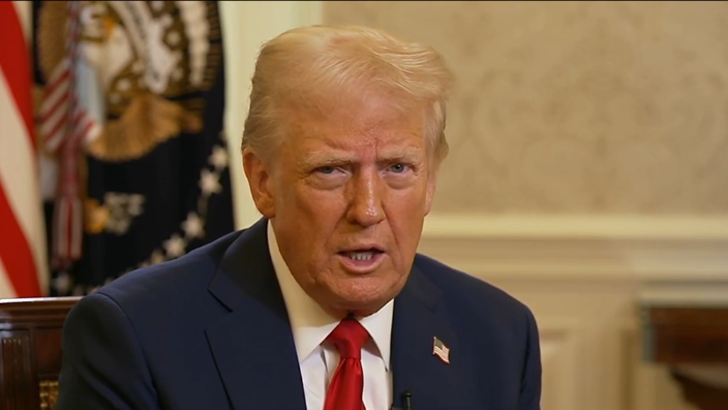
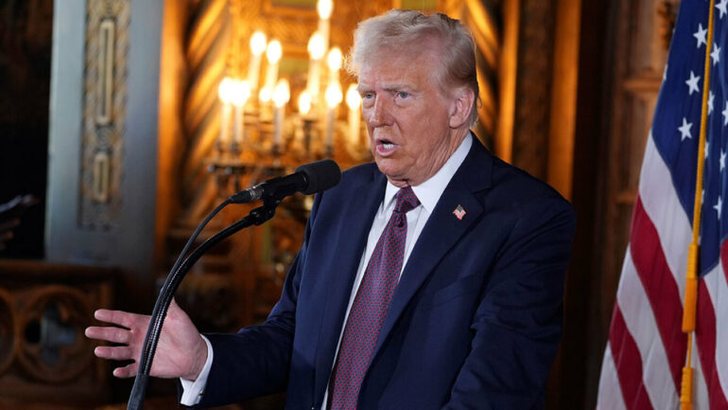
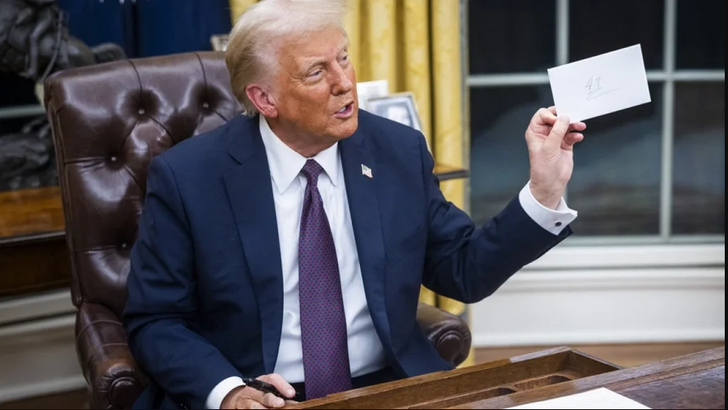
He has promised to put Americans on Mars and end wars in Ukraine and the Middle East. But Donald Trump's most impactful move may be leading the way in the world's first cancer vaccine.
This week, amid a slew of executive orders, the new president announced a $500 billion undertaking that he described as “the largest AI infrastructure project in history.”
The White House says the Stargate Project will create tens of thousands of new jobs and usher in a new technological revolution.
But its greatest promise is ultimately producing cures for cancer, according to one of the AI chiefs involved in the program.
Larry Ellison, chief technology officer at computer software company Oracle, said the technology could use simple blood tests to scan for tiny tumor cells that neither humans nor current lab tests can detect.
In this way, patients with the earliest forms of the disease can be identified and treated before the cancer spreads.
He continued: "Then beyond that, once we find the gene sequence of that cancer tumor, then you can vaccinate that person, create a vaccine for each individual person to vaccinate them against that cancer, and you can make that mRNA vaccine robotically using AI in about 48 hours."
He described curing cancer as 'the promise of the future.' Later in the press conference, Sam Altman, the head of OpenAI which created ChatGPT, said AI will lead to curing diseases 'at an unprecedented rate.'
Altman said: “We’re going to be amazed at how quickly we’re curing this cancer and that heart disease and what that’s going to do for the ability to provide very high-quality health care… to cure diseases at a rapid rapid pace.”
"I think [this technology] will be one of the most important things."
Similar experimental mRNA cancer vaccines have been in development since the technology advanced during the Covid pandemic.
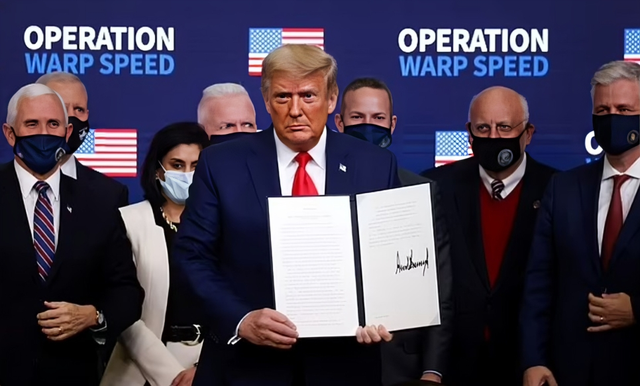
mRNA vaccines entered the public sphere when Trump established Operation Warp Speed, a campaign to facilitate and accelerate the development and distribution of Covid-19 vaccines and treatments.
Trump faced anger from his base over his involvement in the mRNA Covid vaccines, which his administration funded, and many Republicans and Trump supporters were resistant to the shot.
In mRNA cancer vaccines, scientists take a sample from a cancer patient's tumor and analyze its genetic code – every tumor is genetically different, meaning no two cancer vaccines are the same.
They then use a piece of this, called RNA, to develop a custom vaccine for the patient in a lab. When injected, the injection will instruct the body's cells to produce a harmless part of the tumor, provoking a response from the immune system.
This process trains the immune system to recognize this element of cancer in the future, providing protection against the disease.
Traditional vaccines work on a similar principle, using a small or weakened part of a pathogen, such as a virus, to help the immune system recognize it as a threat.
The problem is that these highly personalized vaccines take months to develop and are extremely expensive – around $100,000 per patient.
It is hoped that AI will be able to detect cancer in its early stages, greatly speed up vaccine production, and reduce costs.
Despite the promises, some right-wing political commentators criticized the Stargate Project.
Evan Kilgore posted on X: The 'mRNA cancer vaccines' discussed at Donald Trump's first press conference tonight were a big turn-off for many right-wingers.
"The Trump administration needs to learn that his base largely despises him for Operation Warp Speed and how experimental vaccines were pushed too far."
Trump has also appointed staunch vaccine critic Robert F Kennedy Junior to lead Health and Human Services, who has raised concerns about vaccine efficacy and linked childhood vaccines to autism.
The president called Stargate a "monumental undertaking and a resounding statement of faith in America's potential under a new president."
Ellison, speaking alongside OpenAI CEO Sam Altman and SoftBank CEO Masayoshi Son, explained that 'tumor fragments' are 'floating' in a patient's body and AI will be able to analyze someone's blood for signs of cancer.
He continued: "Then beyond that, once we find the gene sequence of that cancer tumor, then you can vaccinate that person, create a vaccine for each individual person to vaccinate them against that cancer, and you can make that mRNA vaccine robotically using AI in about 48 hours."
Ellison added: “So imagine early cancer detection, developing a cancer vaccine for your specific cancer that targets you, and having that vaccine available in about 48 hours.
“This is the promise of AI and the promise of the future.”
But it remains to be seen how a new vaccine would be received, given that top health leaders in the Trump administration have opposed vaccines and vaccine mandates, including incoming FDA chief Dr Marty Makary, who opposed Covid vaccine mandates.
Despite any criticism or doubts, a new cancer treatment is likely to be a welcome discovery in the medical community, as rates of the disease are on the rise globally.
Between 1990 and 2019, cancer cases in young people across the globe increased by 79 percent and deaths increased by 28 percent, and studies project diagnoses will continue to increase by 31 percent and deaths will increase by 21 percent by 2030.
Almost every continent is experiencing an increase in various types of cancer in people under 50, which is particularly problematic as the disease tends to be caught in later stages in this population because most doctors are not trained to look for it in young people.
Globally, Australia has seen the highest number of early cancer diagnoses in the world, with a rate of 135 per 100,000 people.
The United States falls to sixth place, with 87 cases per 100,000 people under 50, and the United Kingdom ranks 28th, with 70.5 cases per 100,000 people.
The fastest-growing cancers include throat and prostate cancer. Early-onset cancers with the highest mortality rates include breast, trachea, lung, stomach, and colon.
Experts have long speculated that rising obesity rates and early cancer screenings may be behind the increase, as well as high-fat diets, alcohol consumption and tobacco use.
However, because lifestyles, habits and diets vary greatly from country to country, they now believe that these factors are not entirely responsible for the increase, and more recent researchers have begun to focus on a genetic component of early cancer.
Some have found that younger people develop more aggressive tumors than older patients, who are better at suppressing a person's immune system.
Trump's announcement Tuesday is one of a long list of health care changes that the new president has implemented in just the first few days of his second term.
On Monday, the president signed an executive order declaring that the US government will only recognize male and female as official genders, which was met with backlash from LGBTQIA+ advocates.
Shortly after his inauguration, Trump also withdrew from the World Health Organization – for the second time – sparking concerns from experts that the fight against global diseases such as AIDS, malaria, polio and tuberculosis could take a serious hit.
Additionally, the president also signed an order that reverses the Biden administration's efforts to lower the cost of prescription drugs for people on Medicaid and Medicare. However, experts say the change will have little effect on what most people pay for medications out of pocket.