Protests, violence, curfews: From France to Albania, why Europe'...
/ 2026-10-20 23:47:20Focus


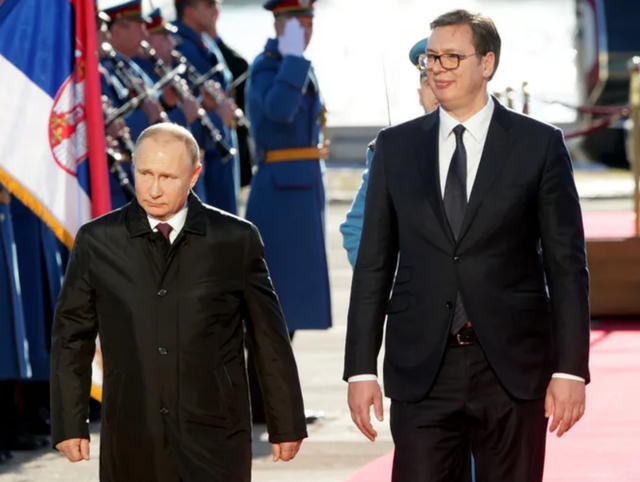
Serbia could be blocked from joining the European Union if its president travels to Russia next month for Vladimir Putin's Victory Day parade.
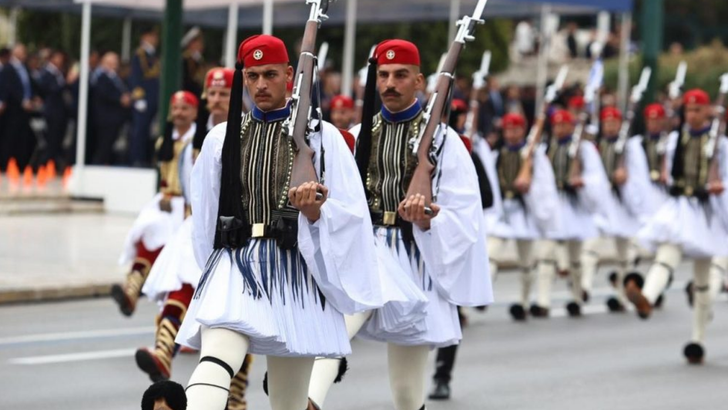
Russian state media reported that Aleksandar Vučić would be one of the foreign dignitaries present, as well as contributing military equipment to the May 9 spectacle.
In response, European officials warned Vučić that his visit would be a violation of the bloc's membership criteria and would undermine his country's EU ambitions.
"We need to make sure they understand that some decisions come with a cost," said Jonatan Vseviov, secretary general of Estonia's foreign ministry. "The consequence is that they will not join the European Union," he said.
"The Russians have worked hard to convince people to participate... For us this will be an important test. Basically what we look at is whether or not they are on our side or playing on the other team," he added.
Kaja Kallas, the bloc's top foreign diplomat, said EU foreign ministers had discussed the future member states that would attend the ceremony in Moscow at a meeting on Monday.
"What was also discussed very clearly, and was said by various member states, is that any participation in the May 9 parades or celebrations in Moscow will not be taken lightly by the European side, given that Russia is waging a full-scale war in Europe," she told reporters after the meeting.
Serbia has long sought to cultivate relations with both Brussels and Moscow simultaneously. The country applied to join the bloc in 2009 and became a candidate for membership in 2012.
Serbia's accession talks have stalled in recent years due to its apparent support for Russia's illegal occupation of Ukraine.
Belgrade has refused to adopt Western sanctions against Russia in response to the war, which most EU member states require as a criterion for membership.
Russia owns Serbia's only oil refinery and is refusing to sell it, leaving the Western Balkan country dependent on Moscow for economic stability.
Kallas has been forced to warn other EU members not to attend Putin's Victory Day ceremony, which this year marks the 80th anniversary of Nazi Germany's defeat in World War II.
Slovakia, an EU country with close ties to Moscow, has also been invited to the event next month.
Robert Fico, the Slovak prime minister, said last year he would attend and is one of the few leaders of the bloc to have met with Putin in the more than three years since he sanctioned the invasion of Ukraine.
Hungary's Viktor Orban, who is considered Putin's closest ally in Europe, will not attend.
"I have also called on all member states, but also representatives of institutions, to visit Kiev as much as possible to truly show our solidarity and that we are with Ukraine," Kallas said.