Protests, violence, curfews: From France to Albania, why Europe'...
/ 2026-10-20 23:47:20Focus


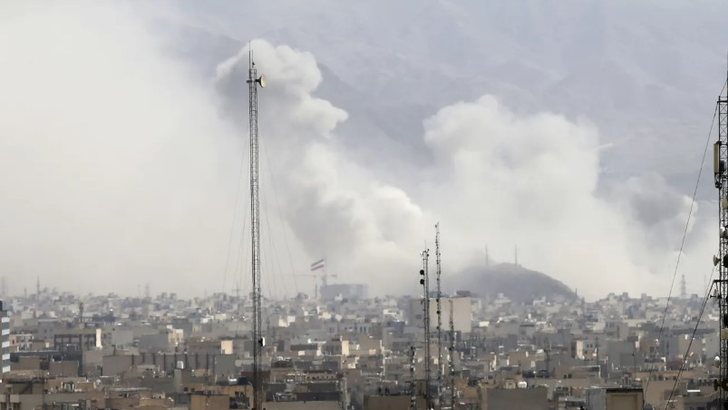
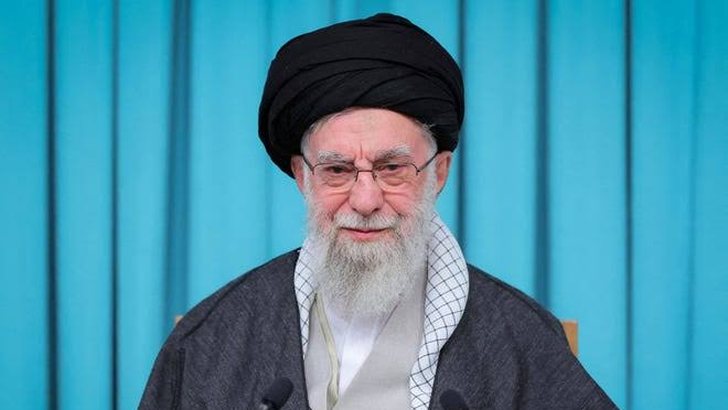
On Saturday morning, as Israeli bombs hit the supreme leader's compound in Tehran, Ali Khamenei was meeting with close aides.
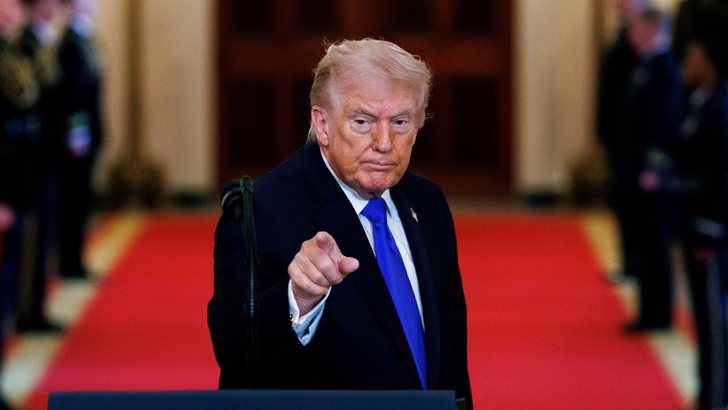
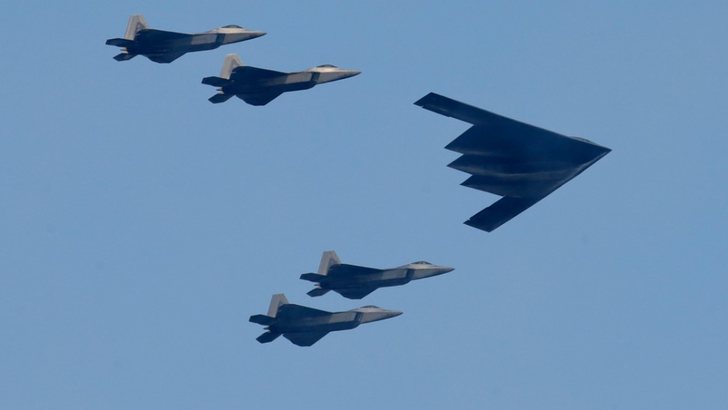
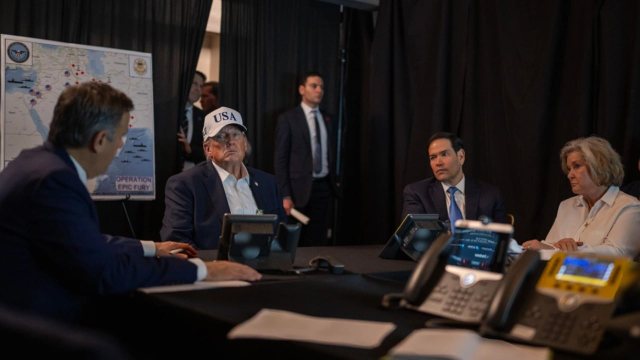
According to American and Israeli sources, the joint US-Israeli operation that led to Khamenei's death was the culmination of a two-month strategy developed by the Donald Trump administration that combined diplomacy with preparations for war. On Friday, Trump chose the path of military action.
The crisis, which began with a public uprising in Iran in late December, has been characterized by constant subversion, surprises and deliberate disinformation, which American officials say acted as a strategic advantage, leaving the Iranian leadership exposed to the largest airstrike ever carried out by the Israeli military.
The groundwork for the operation was laid in late December, when Israeli Prime Minister Benjamin Netanyahu visited Trump at Mar-a-Lago as anti-government protests erupted in Iran. That meeting discussed a continuation of last year's joint strikes, focused primarily on Tehran's ballistic missile capabilities, with a timeline around May.
However, developments quickly accelerated as the Iranian regime violently cracked down on protesters, causing thousands of deaths. On January 14, Trump came close to approving a military strike, but backed down, ordering significant military reinforcements to the Middle East and beginning secret planning for a joint operation with Israel. Contacts followed in Washington with the head of Mossad, the head of Israeli military intelligence, and the IDF Chief of General Staff, to coordinate operations “Epic Fury” and “Roaring Lion.”
At the same time, Trump was considering whether military pressure could lead to a deal on American terms. In early February, the United States and Iran met in Oman for the first time since the 12-day war of last June. A few days later, Netanyahu urgently visited Washington to discuss the “red lines” of the negotiations and the possibility of a joint military operation in the event of the failure of the talks. According to a US source, Tehran was clearly informed that any military action “would follow immediately if there was no significant progress in a short period of time.”
A week before the Geneva meeting, the US and Israel agreed on a possible time window for the attack: the following Saturday, a day when Khamenei was holding a regular meeting with senior government officials. The aim was to avoid creating suspicions that would force the leader to seek asylum. He reportedly did not change his plan. After the first meeting in Geneva, Kushner and Witkoff briefed Vice President J.D. Vance on the significant differences between the parties. A second round of talks did not change the situation.
Three issues remained open: the nuclear program and enrichment, where the US offered nuclear fuel for civilian use in exchange for abandoning enrichment, but Tehran refused; the ballistic program, where the Iranians avoided discussions on missile capabilities and the financing of armed organizations in the region, which was also not accepted as a topic of negotiations.
After Geneva, Oman’s foreign minister flew to Washington to delay the decision, but Trump had already made up his mind. On Saturday morning, Khamenei held the planned meeting, while two other targets of Iranian officials were simultaneously struck. An Israeli intelligence official said that if Tehran had accepted the American demands in Geneva, the military option would have been frozen. “They thought there would be no action. They were wrong,” he said.