Protests, violence, curfews: From France to Albania, why Europe'...
/ 2026-10-20 23:47:20Focus


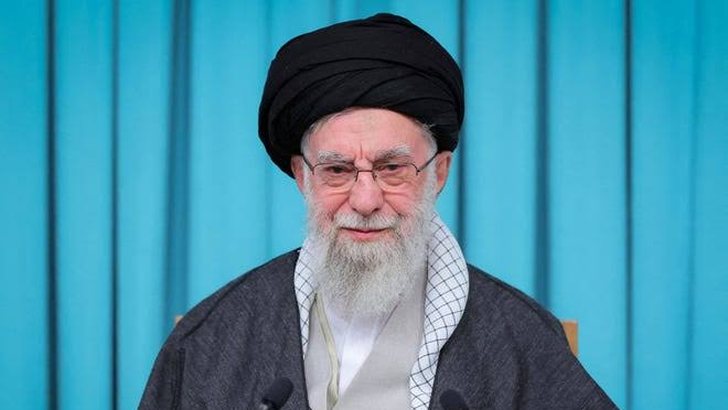
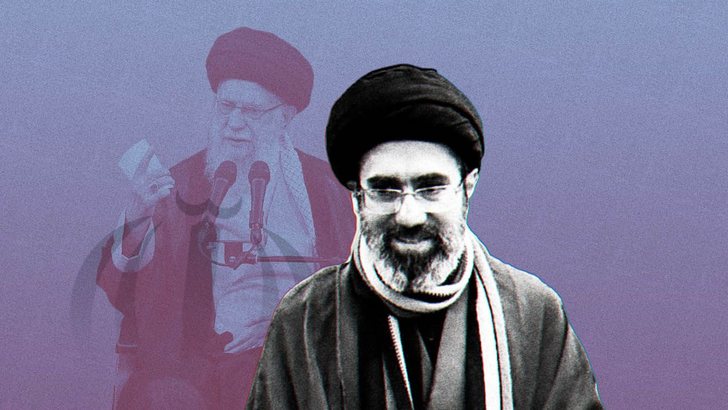
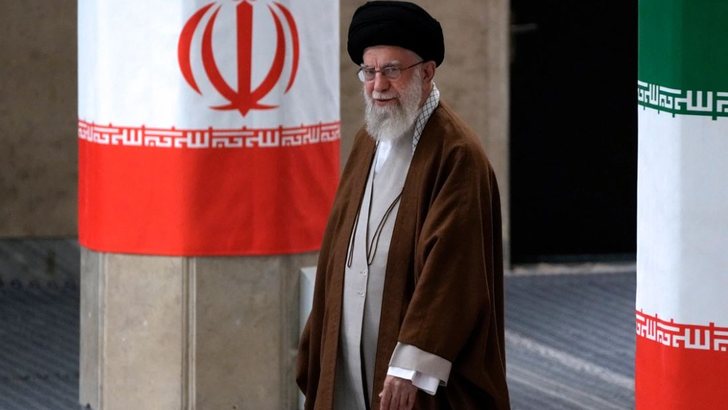
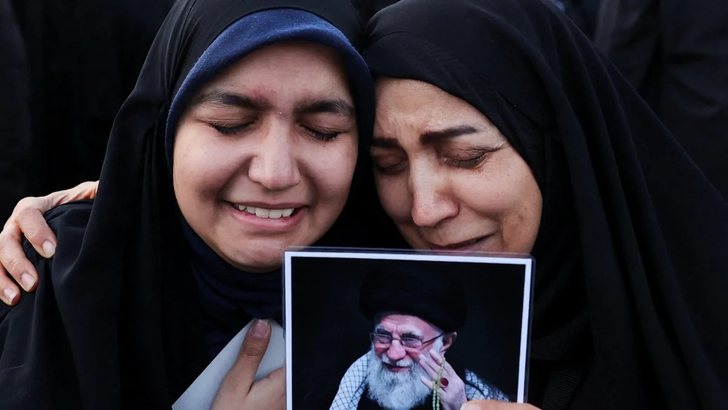
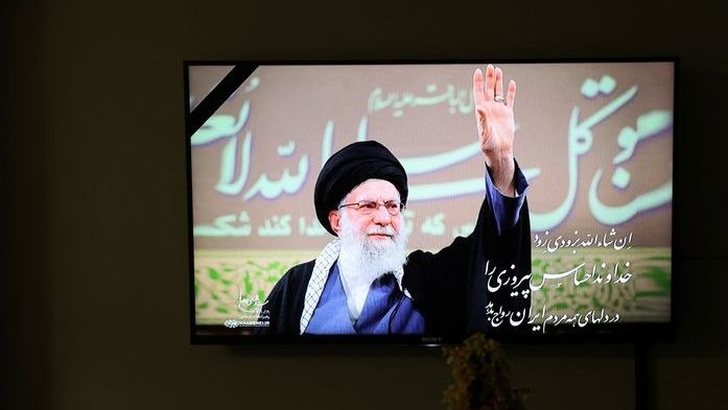
Following the attack that killed Iran's supreme leader, Ayatollah Ali Khamenei, the country has appointed an interim leader to manage the political transition.
Alireza Arafi, a well-known Shiite cleric with great influence in the religious and political institutions of the Islamic Republic, has been appointed to this role.
Who is Alireza Arafi?
Alireza Arafi is an Ayatollah with a long career in the field of religious education and leading Islamic seminaries in Iran.
He has directed Al-Mustafa International University in Qom and has been involved in running religious seminaries that train young Shiite clerics.
In addition to his educational role, Arafi is also a member of the Guardian Council and the Assembly of Experts, two key bodies that oversee laws, elections, and elect the country's supreme leader.
This profile makes Arafi a conservative figure, with authority in religious and political decision-making, giving legitimacy to the temporary role he is holding.
His role as interim leader
According to the Iranian Constitution, after the death of the supreme leader, the country must have a transitional mechanism to manage the leadership until a permanent successor is elected by the Assembly of Experts.
For this reason, an Interim Leadership Council has been established, consisting of:
Alireza Arafi – religious representative and member of the Guardians Council;
The President of the Republic, Masoud Pezeshkian – the country's executive leader;
The Chief Justice of the Supreme Court, Gholamhossein Mohseni-Ejei – head of the judicial branch.
The Council is tasked with carrying out the constitutional functions of the supreme leader, ensuring institutional stability and managing internal and external affairs during the transitional period.
The importance of Arafat's appointment
Arafi's appointment to this role is strategic for several reasons:
Religious legitimacy – He is a well-known and respected figure in the Shiite clerical hierarchy.
Political position – His membership in the Council of Guardians and the Assembly of Experts places him at the center of the process of selecting the new supreme leader.
Institutional stability – At a time of high tension at home and abroad, the council he leads is essential to maintaining the functioning of the state.
Alireza Arafi is temporarily performing the duties of Iran's supreme leader, providing stable leadership until a permanent successor is elected according to constitutional procedures.