Protests, violence, curfews: From France to Albania, why Europe'...
/ 2026-10-20 23:47:20Focus


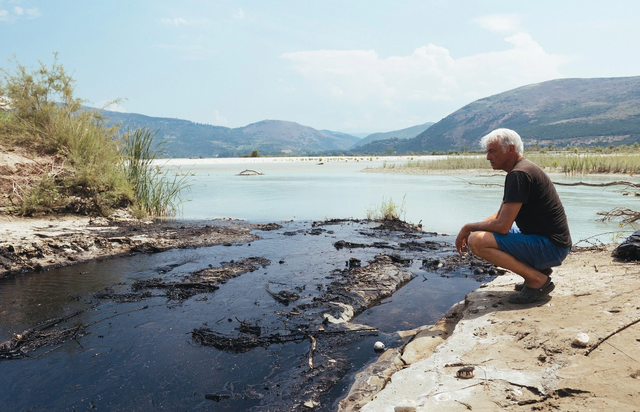
The British newspaper The Telegraph has dedicated an article to the Vjosa River, declared a natural park by the government, and which is at risk due to massive pollution and bed erosion.
The Telegraph article:
High in the mountains of Albania, a part of the river that was once intact now resembles a construction site.
A place that is supposed to be a haven for species such as otters, Egyptian eagles and Balkan lynx, which is critically endangered, is now an ugly mess, filled with plastic, pieces of styrofoam and concrete.
Beds of white gravel have been excavated by heavy machinery. Large blue pipes are piled up on the side of the road, ready to be erected on site. Engineers are in the process of diverting millions of gallons of water from the mountains on the Adriatic coast, where a construction boom is transforming a place that until recently was considered Europe's best-kept holiday secret.
"They're taking this water and sending it down to the coast for tourism developments and luxury resorts," said Kaltrina Hyka, from EcoAlbania, an environmental organization.
"You can see that there is very little water left now. We have been suing this case in the courts for a year and a half. The process is ongoing, but in the meantime, the work continues."
The Shushica is a tributary of the much larger Vjosa River, one of the last wild rivers in Europe to flow, its mud-filled waters unimpeded by dams, dams or pipes.
In 2023, after a decade-long battle and much fanfare, the 170-mile-long Vjosa was declared the first wild river national park in Europe, the protection of which was apparently guaranteed forever.
The government of Albania was hailed for its vision with Edi Rama, the country's prime minister, hailing it as "a truly historic moment".
But two years later, there is a deep gap between the promises made then and the situation on the ground now.
Vjosa, far from being an untouched river paradise, is under serious threat.
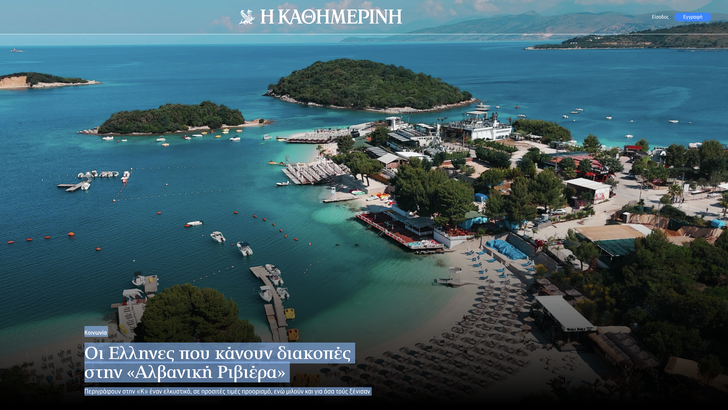
Most of the damage being done to the river, which originates in Greece's Pind Mountains and flows into the Adriatic, is directly related to the extraordinary tourism boom that this small Balkan country has suffered in recent years.