"Corruption with high trend in administration", Dumani: There is continuous abuse of public funds and in tenders
2025-10-14 17:10:26AktualitetSHKRUAR NGA REDAKSIA VOX
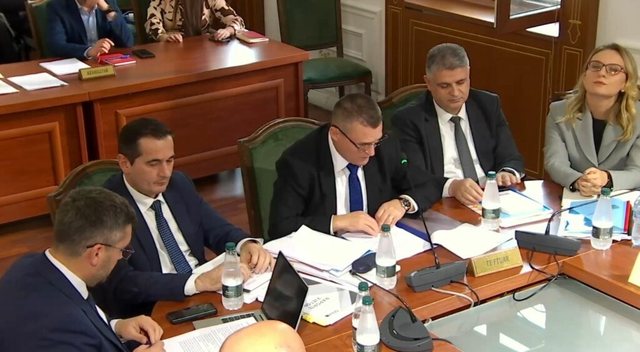
Dumani in the Laws Committee
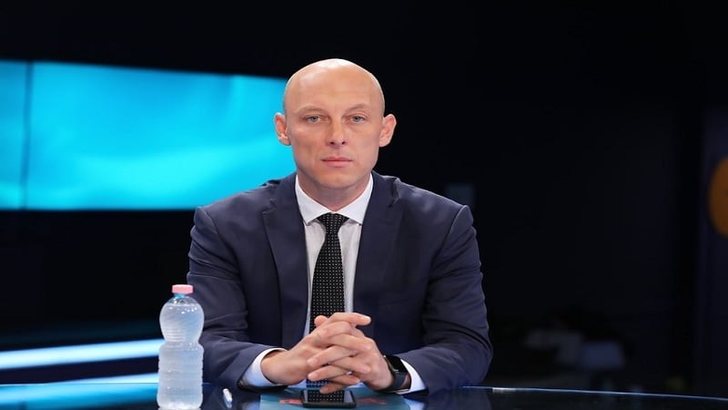
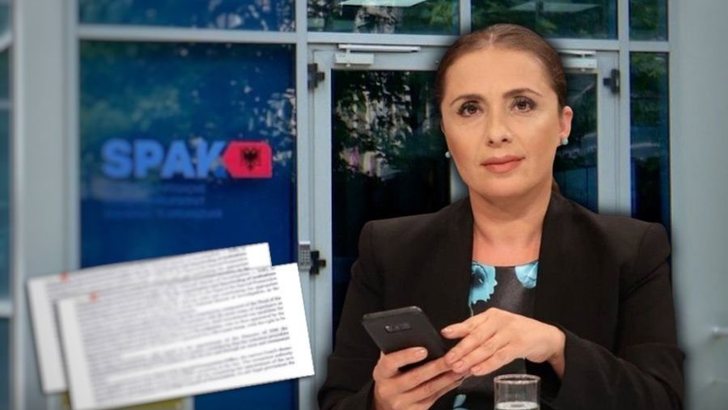
The Head of the Special Prosecution Office, Altin Dumani, stated today that the level of risk regarding criminal offenses in the field of corruption is high.
In his report before the Laws Committee, Dumani said that the most dangerous offenses are laundering the proceeds of crime and violating equality in tenders.
He also added that corruption of public officials maintains a high trend, testifying to the expansion of corrupt practices in public administration.
"The risk level regarding data on criminal offenses in the field of corruption shows a high and stable level of risk, extending to several categories of crimes and with a direct impact on public governance, institutional integrity and the national economy. The highest-risk offenses result in laundering the proceeds of crime and violation of equality in tenders, which show a strong increase in the years 2023-2024, reflecting continued misuse of public funds and the involvement of fictitious commercial entities in clientelistic schemes."
According to him, acts of corruption at high levels of power and justice remain crimes of high strategic risk, as they undermine public trust in the state and the rule of law.
"Passive corruption of persons exercising public functions maintains a high, stable trend, demonstrating the spread of corrupt practices in public administration. Meanwhile, the exercise of illegal influence remains a typical form of interference in public decision-making and administrative processes, maintaining a medium level of risk. Acts of corruption at high levels of power and justice, including passive corruption of senior state officials and active/passive corruption in the justice system, although they represent a relative decrease in 2024, remain crimes with high strategic risk, as they undermine public trust in the state and the rule of law."
"Overall, the panorama of the level of corruption risk constitutes a constant threat to the integrity of public administration, fair economic competition and the functioning of the rule of law, requiring its treatment as a national priority in criminal and investigative policy," said the head of SPAK.