"Condemned" protesters?! Who trapped Rama inside the Prime Minis...
/ 2026-10-23 16:02:00Focus


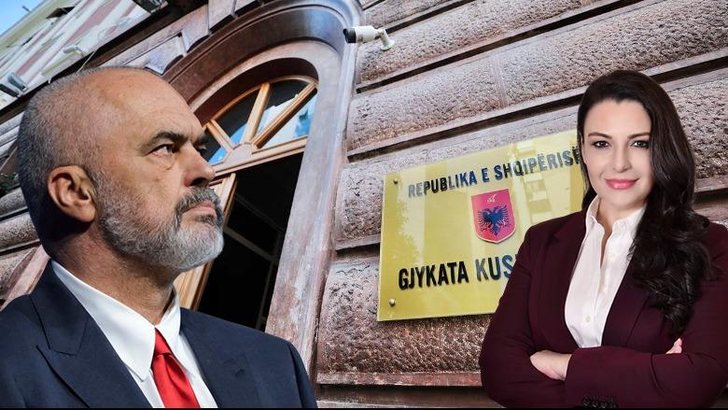
The arrest of Erion Veliaj did not only hit the Municipality of Tirana, it also hit the political nerve of Edi Rama.
This was the moment when Rama harshly criticized SPAK's policy of drastic measures that isolated officials with the measure of imprisonment even without charges.
A criticism that actually went in line with a perception created towards SPAK for repressive behavior. This, based also on the high statistics of prison arrest measures constantly distorted by professionals in the field...
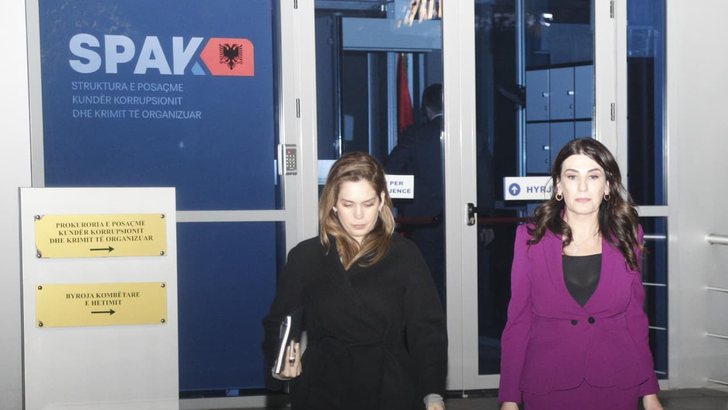
In response, SPAK published some statistics at the time, emphasizing that the vast majority of prison arrests were for organized crime.
But, despite the political debates, the figures were stubborn and often lawyers went so far as to consider the Special Court a notary that accepted every request from SPAK, even raising suspicions of intimidation against judges.
"I think that in these cases the measure of securing arrest with imprisonment for public figures has been excessive, despite the fact that a part of the public is demanding extreme measures of arrest because they have a kind of anger, resentment, but the prosecution should not fall prey to this desire, or this popular lust for punishment," said Gentjan Tërnova, former prosecutor.
"We put an end to impunity. Today we will see whether we have violated human rights and freedoms, simply to satisfy public opinion, to satisfy those voices that were eagerly awaiting justice, here we must separate punishment from justice ," said Eugen Beci, former prosecutor.
SPAK's drastic demands for prison sentences were not simply a perception and statistical game. This harsh policy received a strong blow in the Strasbourg Court in the case of former public television director Thoma Gëllçi.
The Human Rights Court concluded that his detention was not justified, a decision that came as a strong criticism of SPAK./ Inside Story