Details of the storm in the administration, here's who will resi...
/ 2026-10-22 22:25:00Focus


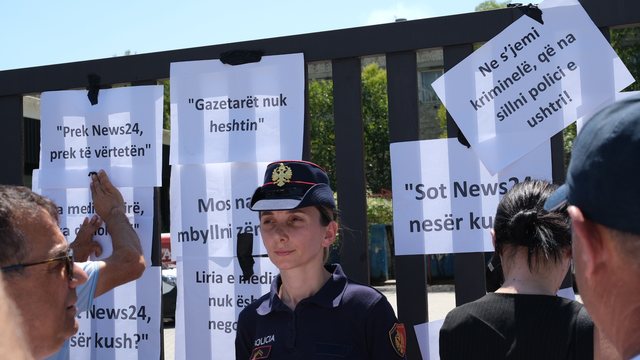
The regional investigative network Balkan Insight has published an article regarding the closure of News24 television and the raid on the buildings of Focus Media Group by the police and the military.
Balkan Insight writes that the action of the Albanian police, forcing the country's largest news broadcaster to stop broadcasting without a court order, creates an alarming situation.
Meanwhile, Balkan Insight emphasizes that conditional solidarity is not enough, as tomorrow this could turn against any critical voice.
“There have been welcome acts of solidarity, with journalists speaking out and citizens expressing support. However, much of this solidarity is conditional solidarity, where a channel’s past editorial line or the owner’s connections are treated as criteria for deciding whether he/she “deserves” protection,” writes Balkan Insight.
Full article
The Albanian police action – forcing the country’s largest news broadcaster to cease broadcasting without a court order – sets an alarming precedent.
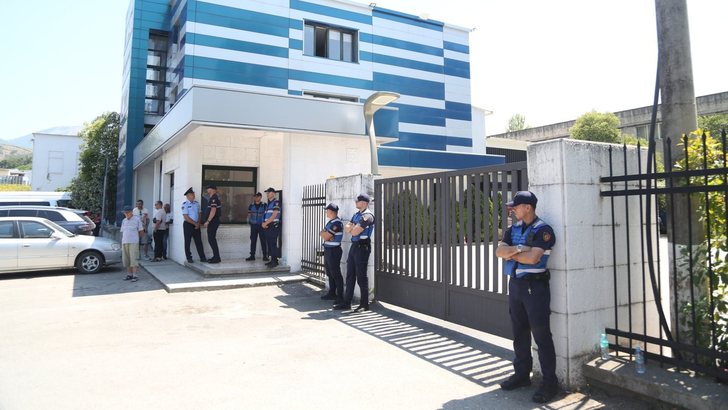
On August 9, Albanian police surrounded the premises of Focus Media Group, home to News24, BalkanWeb, Panorama, Gazeta Shqiptare and other branches, cut off electricity and barred staff from entering, according to journalists.
News24 was taken down at 7:36 a.m. The limited streaming on YouTube resumed, but the broadcast remains suspended. Albanian authorities have yet to explain the legal basis for the police action or the next steps.
Both officials and Focus Media Group say the dispute centers on an ownership dispute and the transfer of parts of the complex to a state-owned company – but with the Ministry of Economy, Culture and Innovation and Focus Media Group exchanging blame over lease contracts and court proceedings.
None of these address immediate issues that are essential to the rule of law and the public interest.
No enforceable court order or enforcement action has been made public to justify a pre-dawn curfew, a power outage, and the shutdown of the country’s largest news broadcaster. All of this raises legitimate concerns that institutional power may have been exercised arbitrarily, bypassing due process.
The public discourse on this case is deeply divided: one side presents it as a blatant attack on media freedom; the other side claims it is simply the enforcement of a property decision, since “no one is above the law.” Both side disregard due process, a fundamental pillar of democracy and the rule of law.
The SafeJournalists Network in Albania has clearly raised the lack of due process, highlighting shortcomings in legality, transparency and proportionality, as well as violations of media freedoms, without independent oversight and without a clear documentary trail.
European human rights practice requires that any state intervention in the media must have a clear legal basis, pursue a legitimate aim, and be necessary and proportionate, using the least restrictive means.
On the ground, officials must present the order, define its scope and deadlines, act closely, and ensure safe access for journalists and technical staff, as well as the protection of equipment and data.
The state must then publish both the reasons and its appeal mechanisms and set out a time-bound plan to restore operations, with independent oversight in place. From all available information, such due process is lacking in this case.
Much of the debate has centered on personalities: owner versus Prime Minister, former allies turned adversaries. Attention has shifted from procedures to motives, backstories, and judgments of character.
In this climate, the law begins to seem optional, its implementation is interpreted as a power play, and events are judged by loyalty rather than evidence.
While there may be a property dispute, the public interest and the rule of law require legitimate enforcement that ensures continuity, time-limited access, and regulatory-led measures. With a dominant parliamentary majority, due process and safeguards remain the only safeguards for democracy and the rule of law in Albania. When they are bypassed, majority rule risks slipping into arbitrary rule and rights become discretionary.
There have been welcome acts of solidarity, with journalists speaking out and citizens expressing support. However, much of this solidarity is conditional solidarity, where a channel’s past editorial line or the owner’s connections are treated as criteria for deciding whether he/she “deserves” protection.
But this is not a test of character, but a test of rules. Freedom of expression and freedom of the press are universal and exist to protect the public's right to know and to ensure that journalists can work freely, regardless of who owns the newsroom.
Kur mbrojtja varet nga afiniteti ose ankesat e së kaluarës, ne normalizojmë një standard selektiv që mund të kthehet kundër çdo zëri nesër. Solidariteti duhet të mbështetet në parime dhe proces të rregullt ligjor, jo në personalitete.
Ky zhvillim zhvillohet në një peizazh mediatik tashmë të tendosur nga përmbajtje e gatshme e prodhuar nga qeveria dhe partitë, e cila shpesh zëvendëson raportimin origjinal; ku qasja në informacionin publik është e pabarabartë, presioni politik dhe tregtar mbi redaksinë është i vazhdueshëm, kushtet e punës janë të pasigurta dhe modelet e biznesit janë të brishta; ku siguria e gazetarëve si në internet ashtu edhe jashtë internetit është në rrezik.
Në këtë mjedis, një ndërhyrje e fuqishme si kjo dërgon një sinjal të jashtëzakonshëm në të gjitha mediat. Më 9 gusht, mbulimi i drejtpërdrejtë i ngjarjeve erdhi vetëm nga një transmetues. Shumica e tyre e kufizuan lajmin në postime të shkurtra në internet dhe e mbajtën atë larg lajmeve televizive.
Nuk ka gjasa që kjo të ketë qenë një mbikëqyrje editoriale. Ishte një llogaritje rreziku. – mbulimi është ngushtuar jo për shkak të mungesës së interesit publik, por sepse transmetimi i tij duket shumë i kushtueshëm. Është krijuar një refleks “jo-redaksia ime”, me mediat që tërhiqen për të shmangur ekspozimin – derisa praktika të ngurtësohet në precedent dhe ndërhyrja e radhës rrezikon të arrijë në studion e tyre.
Ata që diskutohen më pak – por që preken më drejtpërdrejt – janë gazetarët dhe punonjësit e medias, afërsisht 230 persona, qasja e të cilëve në vendin e tyre të punës, pajisjet dhe pagat u bë e pasigurt brenda natës, me shumë prej tyre që tashmë përballen me paga të vonuara dhe kontribute të papaguara.
Në këto rrethana, Focus Media Group duhet t’i japë përparësi mbrojtjes së stafit të tij dhe të sigurojë që ky zhvillim të mos prishë detyrimet e tij. Grupi ka përgjegjësinë të ofrojë një mjedis të favorshëm për stafin e tij: paga dhe kontribute të rregullta, qasje të sigurt në mjete dhe arkiva, plane të qarta emergjence dhe ambiente alternative, komunikim transparent dhe mbrojtje nga presioni ose hakmarrja. Është e rëndësishme që stafi dhe kushtet e tyre të mos instrumentalizohen si levë në një mosmarrëveshje me shtetin ose si mburojë në mesazhet publike.
Në të njëjtën mënyrë, shteti duhet të sigurojë që çdo masë e ligjshme të zbatohet në mënyra që ruajnë vazhdimësinë gazetareske. Autoritetet kanë detyrimin të veprojnë brenda të drejtave të gazetarëve dhe punonjësve të medias, duke përdorur veprime të përshtatura ngushtë, mjetet më pak kufizuese, akses të sigurt dhe me një plan të besueshëm për të rivendosur operacionet.
Kur dështon procesi i rregullt ligjor, kostoja nuk mbulohet vetëm nga punonjësit, por edhe nga publiku: pluralizmi ngushtohet, informacioni në kohë ndërpritet dhe besimi në institucione gërryhet. Ky është çmimi i vërtetë i arbitraritetit.
This clear lack of legality and the apparent exercise of arbitrariness reveal a deeper pattern of using institutional and political power to circumvent due process and undermine the rule of law. Ignoring this reality and retreating into polarized positions are not features of a society on a fast track towards EU integration and values. They are signs of a slide towards illegality and illegitimacy.
Media freedom is only protected when it is consistently enforced, not selectively to suit political interests. The real test is not whether we like a channel's editorial line, but whether institutions can demonstrate that power is exercised openly, legally, and with restraint.
When due process is lacking, debate becomes polarized and trust is eroded.
When it is secured and visible, the public interest is protected. That is why this moment matters – and why our discussion should be anchored in standards, not parties.