"The fate of the homeland is in our hands" - An appeal by Ismail...
/ 2026-10-18 16:09:54Focus


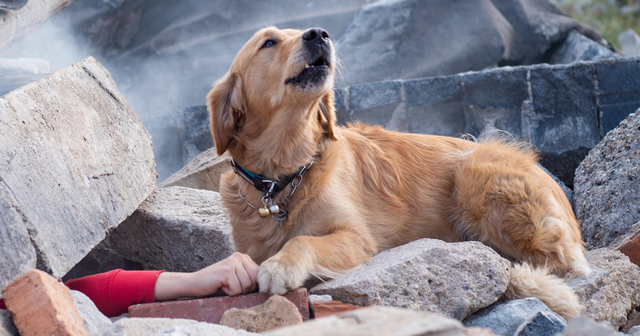
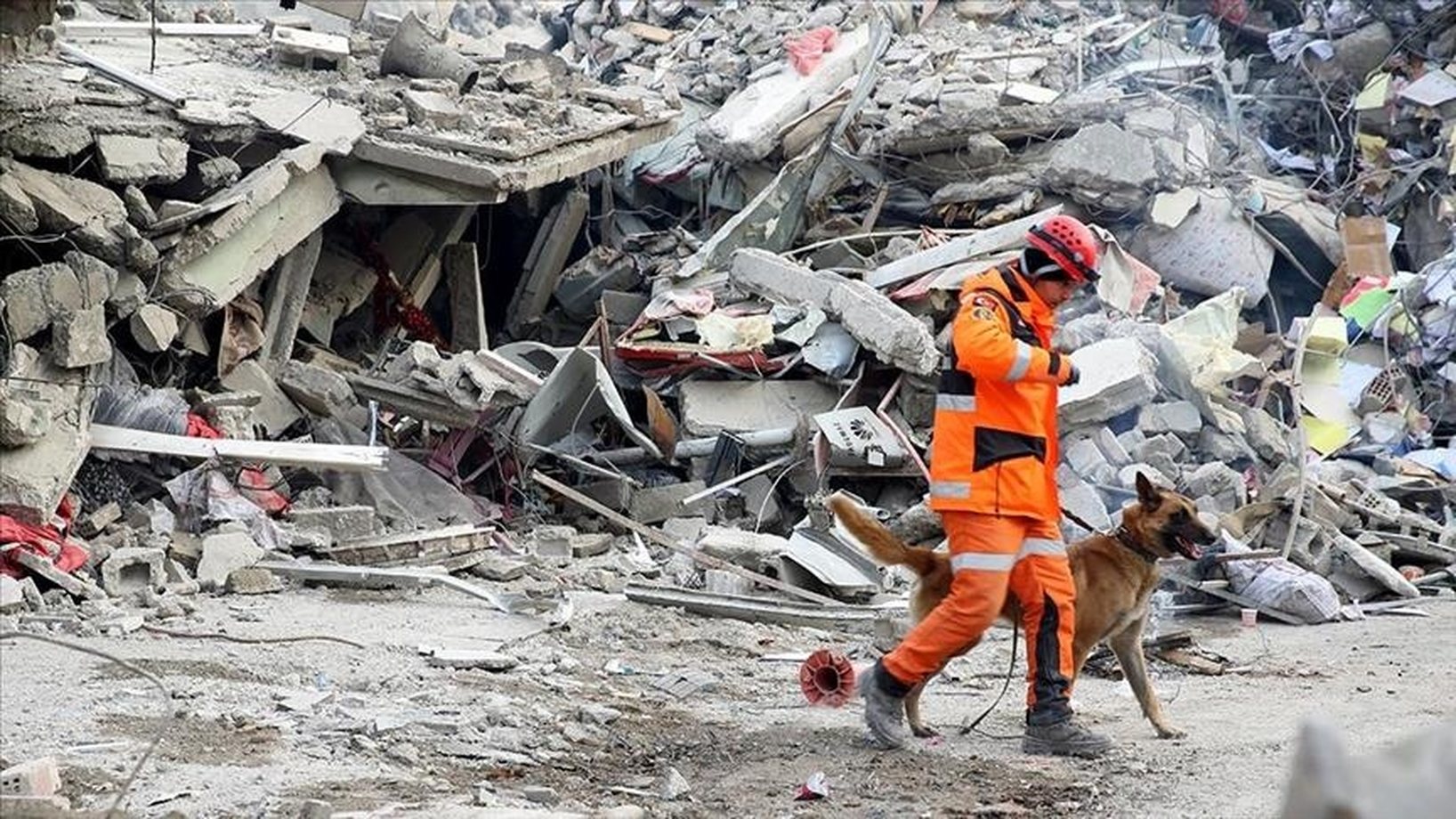
Dogs sense disasters in advance - is this a myth or a measurable ability? Research shows what their senses can really do and how social media encourages belief in the supernatural.
Dogs that pull their humans out of cars seconds before an accident or, like guardian angels, pull them out of other dangerous areas: countless videos of so-called "miracle dogs" are circulating on social media - perfectly staged and increasingly generated by artificial intelligence. But what do the data and studies say? Do dogs really have a magical sixth sense - or are their "superpowers" just biology plus human projection of desires?
The myth of the miracle dog: why we want to believe
Dramatic rescue videos staged on social media reach millions of views - real scenes, expertly edited clips and, increasingly, artificial intelligence. Algorithms reward emotion over evidence: individual, emotionally powerful cases trump countless situations in which nothing unusual happens.
The psychological effect is as follows: people remember a dog's behavior before an accident, but forget all the times when the dog reacted similarly, and nothing happened afterwards.
The desire to see a special bond with one's animal and its unique abilities as something extraordinary makes the belief more emotionally appealing than the measured explanations offered by biology and the psychology of perception.
Dogs' supersenses: hearing, smell, touch
Dogs have senses that are far superior to humans: they can hear significantly higher frequencies, are extremely sensitive to vibrations, changes in air pressure, and weather, and their sense of smell is about 10,000 to 100,000 times more developed than humans.
Studies on epilepsy, diabetes, and cancer show that they can register the smallest biochemical changes in the body - for example, in sweat or exhaled air. They also notice minimal changes in the behavior and emotions of their people: muscle tension, breathing rate, the smell of stress.
In a study by Neil Powell of Queen's University Belfast, 19 companion dogs reacted significantly differently to sweat samples from epileptic patients in the phase immediately before a seizure than to control samples - indicating the presence of specific molecules. Neither diabetes or cancer detection dogs rely on the supernatural, but on physiological signals such as heart rate, breathing rate, stress hormones and so-called VOC (volatile organic compound) patterns - typical combinations of organic molecules that reflect a person's health status.
What has been scientifically proven?
Canadian psychologist Stanley Coren of the University of British Columbia is considered a pioneer in dog research. He has studied the behavior, intelligence, and relationships between humans and dogs for decades.
Coren developed the "Stanley Coren Index" named after him to assess the intelligence of different breeds of dogs. His studies show that average dogs understand up to 165 words, and especially intelligent ones up to 250 - which is comparable to the cognitive abilities of a two-and-a-half-year-old child.
For DW, Koren explains the behavior of some dogs before disasters with their biology: "Many of these stories about dogs predicting disasters or accidents seem supernatural, but most of them can be explained by their extraordinary senses."

Behavior during earthquakes
According to Koren, for example, before an earthquake, they would be able to hear the first sounds of rocks cracking - sounds that are far above the limit of human hearing.
They also sense heat sources "like an infrared sensor," and even the slightest instability or tremors in the ground are registered via the thin receptors between their paws. This means a dog can become anxious just before a bridge starts to sway or a vehicle on a wet road starts to skid, Koren writes in an email to DW.
What seems like a "sixth sense" is actually mainly a physiological advantage: a dog reacts earlier to stimuli that are already real, but that we don't yet feel.
Animals between myth and reality
Other animals also have much more developed senses than humans. Martin Wikelsky's team at the Max Planck Institute for Behavioral Biology in Italy has fitted cows, sheep and dogs with sensors and recorded a significant increase in activity before some earthquakes - especially in animals in stables.
Apparently, they react to micro-earthquakes, infrasound or electrical effects in rock layers. "It's not a warning, but a reaction to physical stimuli," Wikelski explained in a written response to DW.
However, no reliable predictions can be made from this. "Dogs can certainly do a lot, but warning about road accidents seems practically impossible to me - except perhaps when it comes to the owner's nervousness, which can lead to accidents," says Wikelski.
To separate myths from real abilities, the researcher emphasizes, data is needed: "Such anecdotes would need to be verified using animal transmitters - as we did in our studies of earthquakes and volcanic eruptions."
Why dogs can't predict road accidents
There are no reliable studies proving that dogs can sense them in advance for everyday accidents - road accidents, fires, or unexpected accidents.
Frequently cited anecdotes can usually be explained by coincidence, hindsight, or sensitive reactions to current stimuli.
Dogs can detect unusual noises, screeching tires, smoke trails or their owner's nervousness - seconds before these factors become apparent. If the dog then shows stressful behavior with different reactions, then it is easy to turn it into an "early warning"./ DW