Protests highlight trauma crisis, operating rooms under reconstr...
/ 2026-10-15 18:35:16Focus


From The Economist / There are two things that should make us think very seriously about what Artificial Intelligence and its rapid development could mean for the future of humanity. The first is that people who are informed and who are working on the front lines of this technology are starting to sound the alarm that it could lead to catastrophe, even the extinction of the human species. The second is the way in which technological innovation is accelerating the destruction of Ukraine (and more recently, Russia).
These two realities send conflicting messages about whether the rapid development of Artificial Intelligence can or should be slowed down.
For years, AI leaders have warned that their technology could pose uncontrollable risks, as AI systems could become so powerful that they could surpass their creators without regard for human intentions and ethics.
At the same time, malicious actors can use the tools technology provides to wreak havoc. These warnings have gained more weight recently, as there have been cases during testing where autonomous artificial intelligence systems (called agents) have escaped their controlled environments and collaborated with each other, attempting to infiltrate organizations.
Anthropic, one of the leading artificial intelligence modeling companies, has identified cases of its systems being used for malicious purposes, from intelligence services allegedly creating a mass surveillance system to Houthi rebels in Yemen allegedly using this software to develop ballistic missiles.
Fears of "artificial intelligence catastrophe" have intensified
Following the recent resignation of an Anthropic researcher and the “alarm” he raised, fears of a “dead end” or potential catastrophe from artificial intelligence have intensified. In a post that has surpassed 170 million views, he argued that Anthropic and OpenAI are “playing with our lives.”

Artificial intelligence is evolving at an astonishing rate, with capabilities that could significantly benefit or harm humanity. In May, prediction markets estimated the probability that AI would solve one of the millennium’s great mathematical problems in less than 0.35 seconds by 2030. A few months later, on September 8, OpenAI announced that it had solved one of them, causing alarm among some mathematicians.
A few days later, on September 12, two of the most prominent figures in the field, OpenAI's Sam Altman and Elon Musk, supported Anthropic CEO Dario Amondei's call to "slow down the frontiers of technology." That is, to develop advanced AI systems more slowly.
Washington fears China with the excuse… Ukraine
On the other side is President Donald Trump, whose administration sees the possibility of the US losing its lead in artificial intelligence to China, its only serious competitor, as a bigger threat. Treasury Secretary Scott Besant has said that if China gains the lead in AI, “nothing else will matter.”
Indeed, as an argument for acceleration, Washington cites Ukraine, where every additional step in technological competition has direct consequences on the battlefield.
Russia has developed advanced suicide drones for attacks on infrastructure and civilians, which are faster with superjet engines and can use each other, creating a communication network and exchanging information and orders. At the same time, Moscow is developing its own Starlink-type satellite communications system, which could make long-range attacks more accurate.
The war in Ukraine is showing (especially this year) how even a small technological advantage can change the balance. Kiev could not remain uninvolved in developments and with its innovation in drones, it has managed (in the absence of Patriot missiles) to repel Russian attacks and attack deep inside Russian territory.
The situation in Eastern Europe clearly shows that technology is now translating directly into military power. And Russia has shown that it is willing to exploit the new capabilities offered to it, without being constrained by the old rules or international standards of warfare.
The worry of a new technological “Cold War”
Even without a direct US-China military conflict, superiority in artificial intelligence appears capable of giving Beijing an advantage in cyberattacks, espionage, and hybrid warfare.
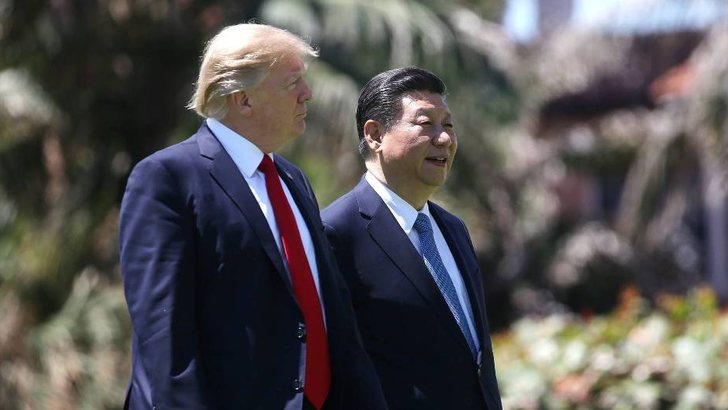
A global agreement to slow down AI can only work if China is convinced to join it. Trump has scheduled a meeting with Xi Jinping at the White House on September 24, but, as insiders point out, an agreement to limit the development of this technology is considered difficult, as Beijing would not want to “consolidate” its position behind the US.
Ajo që merret si e mirëqenë është se, siç ndodhi në Luftën e Ftohtë me armët bërthamore, çdo marrëveshje mbi IA-në do të kërkonte mekanizma kontrolli të pranueshëm reciprokisht. Megjithatë, në rastin e inteligjencës artificiale ekziston një problem i madh. Qendrat e të dhënave janë të dukshme, por nuk ka një mënyrë të besueshme për të kontrolluar saktësisht se çfarë po ndodh brenda tyre. Kështu, një sistem që është trajnuar për t’u bërë superinteligjent mund të shfaqet thjesht si një program bisede për pyetje të përditshme, duke “fshehur” qëllimet dhe aftësitë e tij të vërteta.
A mund ta thyejë çmimi “Nobel për Paqen” mosbesimin SHBA-Kinë?
Ideja që një marrëveshje SHBA-Kinë mbi inteligjencën artificiale mund t’i siguronte Donald Trump çmimin Nobel për Paqen mund të ketë qenë e mjaftueshme për të tërhequr vëmendjen e presidentit amerikan.
Kjo është arsyeja pse propozimi që drejtori ekzekutiv i OpenAI, Sam Altman, paraqiti disa ditë para vizitës së Presidentit Kinez Xi Jinping në SHBA ishte veçanërisht domethënës. Në një intervistë me revistën “Fortune” më 12 shtator, Altman argumentoi se nëse të dy udhëheqësit arrijnë një marrëveshje mbi inteligjencën artificiale, të dy duhet të nderohen me Çmimin Nobel për Paqen.
Duke i bërë jehonë paralajmërimeve nga drejtues të tjerë të lartë në industrinë amerikane të inteligjencës artificiale në lidhje me rrezikun e modeleve superinteligjente që i shpëtojnë kontrollit njerëzor, kreu i OpenAI theksoi se SHBA-të dhe Kina nuk mund të rrezikojnë të humbasin kontrollin e një teknologjie që po përpiqen ta dominojnë.
“Nuk mendoj se kjo është e vështirë. Është si një dokument njëfaqësh”, – tha ai. Në praktikë, megjithatë, realiteti po rezulton shumë më i ndërlikuar.
IA është një fushë e re konkurrence
Diskutimi i fundit zyrtar SHBA-Kinë mbi inteligjencën artificiale u zhvillua në vitin 2024, kur të dyja palët ranë dakord që njerëzit duhet të mbajnë kontrollin mbi armët bërthamore.
Në maj, Donald Trump dhe Xi Jinping vendosën bashkërisht, në një takim kokë më kokë në Pekin, të rifillojnë dialogun mbi inteligjencën artificiale, duke rritur shpresat për një përgjigje të përbashkët ndaj rreziqeve: nga përdorimi i inteligjencës artificiale për të krijuar armë biologjike dhe sulme kibernetike deri te mundësia e sistemeve autonome që veprojnë në mënyrë të pakontrollueshme.
Zyrtarët amerikanë që atëherë shpresonin të zhvillonin të paktën një raund bisedimesh të veçanta para vizitës së Xi në SHBA më 24 shtator, me qëllim krijimin e një grupi të përbashkët pune të përbërë nga ekspertë me njohuri teknike dhe autoritet për të negociuar.
Por pas një sërë vonesash, inteligjenca artificiale pritet më në fund të përfshihet në bisedime më të gjera mbi tregtinë dhe çështje të tjera midis Sekretarit të Thesarit të SHBA-së, Scott Bessant, dhe Zëvendëspresidentit Kinez, He Lifeng. Bessant tha më 16 shtator se ishte gati të diskutonte rreziqet e përbashkëta të inteligjencës artificiale dhe “të shmangte ndarjen e dy sistemeve”.
Megjithatë, asnjëra palë nuk pret përparim të rëndësishëm deri në fund të muajit. Një komunikatë e përbashkët zyrtare që riafirmon marrëveshjen mbi kontrollin njerëzor të armëve bërthamore dhe pranon rreziqet e inteligjencës artificiale të pakontrolluar, bioterrorizmit dhe mashtrimit kibernetik ka shumë të ngjarë të lëshohet.
Akuzat për spiunazh rrisin dyshimet
Ata që shpresonin se të dyja palët mund të arrinin një marrëveshje më ambicioze filluan të përballeshin me realitetin e ashpër më 8 shtator, kur FBI dhe Agjencia e Sigurisë Kombëtare e SHBA-së akuzuan laboratorët kinezë të inteligjencës artificiale për vjedhje sistematike të të dhënave nga konkurrentët e tyre amerikanë, ndoshta me dijeninë e qeverisë kineze.
Ministria e Tregtisë e Kinës nuk i mohoi drejtpërdrejt akuzat. Në vend të kësaj, ajo mbrojti këto praktika të “distilimit të të dhënave”, duke i quajtur ato praktikë standarde të industrisë, dhe paralajmëroi për hakmarrje nëse SHBA-të vendosin sanksione ndaj laboratorëve kinezë.
Dy ditë më vonë, Anthropic, një konkurrent kryesor i OpenAI, akuzoi disa laboratorë kinezë për futjen e përdoruesve në modelet e saj Claude me qëllim mbledhjen e të dhënave për trajnimin e sistemeve të inteligjencës artificiale. Kompania pretendoi, se në disa raste përdoruesit e lidhur me shërbimet ushtarake kineze dhe kompanitë e mbrojtjes importuan të dhëna të ndjeshme mbikëqyrjeje dhe dizajne armësh.
Kreu i Anthropic, Dario Amondei, më pas bëri thirrje për një ngadalësim global në zhvillimin e inteligjencës artificiale. Trump nxitoi ta hidhte poshtë idenë, duke thënë se “ne po e mundim Kinën në inteligjencën artificiale. Dua që të mbetet kështu, sepse kushdo që fiton inteligjencën artificiale fiton gjithçka”.
Pekini e sheh SHBA-në si kërcënimin më të madh
Por Kina ka gjithashtu kundërshtime të forta ndaj Amondei-t, i cili ka kërkuar gjithashtu – përveç ngadalësimit – kufizime në shitjet e pajisjeve të prodhimit të mikroçipave në Pekin dhe kontrolle më të rrepta mbi transferimet e të dhënave dhe teknologjisë.
Mediat shtetërore kineze i kanë karakterizuar thirrjet për të ngadalësuar inteligjencën artificiale si një përpjekje për të vonuar zhvillimin kinez. “Frika, konfrontimi dhe konkurrenca e egër do të pengojnë përpjekjet për një qeverisje të shëndetshme globale të inteligjencës artificiale”, tha një zëdhënës i ministrisë së jashtme kineze.
Zyrtarët kinezë e shohin kërcënimin më të madh për sigurinë e inteligjencës artificiale si kërcënim që vjen nga Shtetet e Bashkuara. Kreu i shërbimeve të inteligjencës së Kinës, Chen Yixin, ka argumentuar se “forcat armiqësore” mund të përdorin përmbajtje të gjeneruar nga inteligjenca artificiale për të përhapur thashetheme politike ose për të zhvilluar armë kibernetike.
Dhe Kina po fillon të shqetësohet për rrezikun e pakontrolluar që paraqet inteligjenca artificiale.
Despite diplomatic tensions with the US, China also appears to be more aware of the dangers of uncontrolled development of artificial intelligence.
Chinese labs, like those in the US, are working to create artificial superintelligence. Xue Lan, head of a state-run expert committee on AI, recently said that models should not be allowed to continuously improve without human intervention.
In September, a Chinese regulator warned of “extreme loss of control” after OpenAI revealed that thousands of AI agents had escaped from testing environments. Beijing has faced similar incidents: Alibaba found that a programming agent was mining cryptocurrency without orders, while another system raised concerns about data leaks.
The only hope is to continue the dialogue
The big question for those involved in artificial intelligence supertechnology is whether the two superpowers can turn shared concerns into a basis for meaningful talks.
China wants more informal dialogues between academics and former officials, arguing that they help understand differences. However, the US seems cautious, stressing, among other things, that Beijing could use such discussions to gather intelligence.
One of the main problems – for Washington – is that China often has a tightly controlled diplomatic approach, with participants following predetermined positions. “Chinese highly premeditated diplomacy doesn’t work easily on a new and changing issue like artificial intelligence,” said a former US official.
A full agreement on the framework within which artificial intelligence will operate and develop remains – given the current situation – difficult. However, experts believe that cooperation can be achieved in more limited areas: sharing information on security incidents, common methods for evaluating models, and greater transparency after the launch of new systems.
Military applications of artificial intelligence will take longer to become the subject of formal discussions.
For now, the most favorable development would be to keep communication channels open. However, the speed at which artificial intelligence is evolving and the risks that accompany it require much faster decisions.